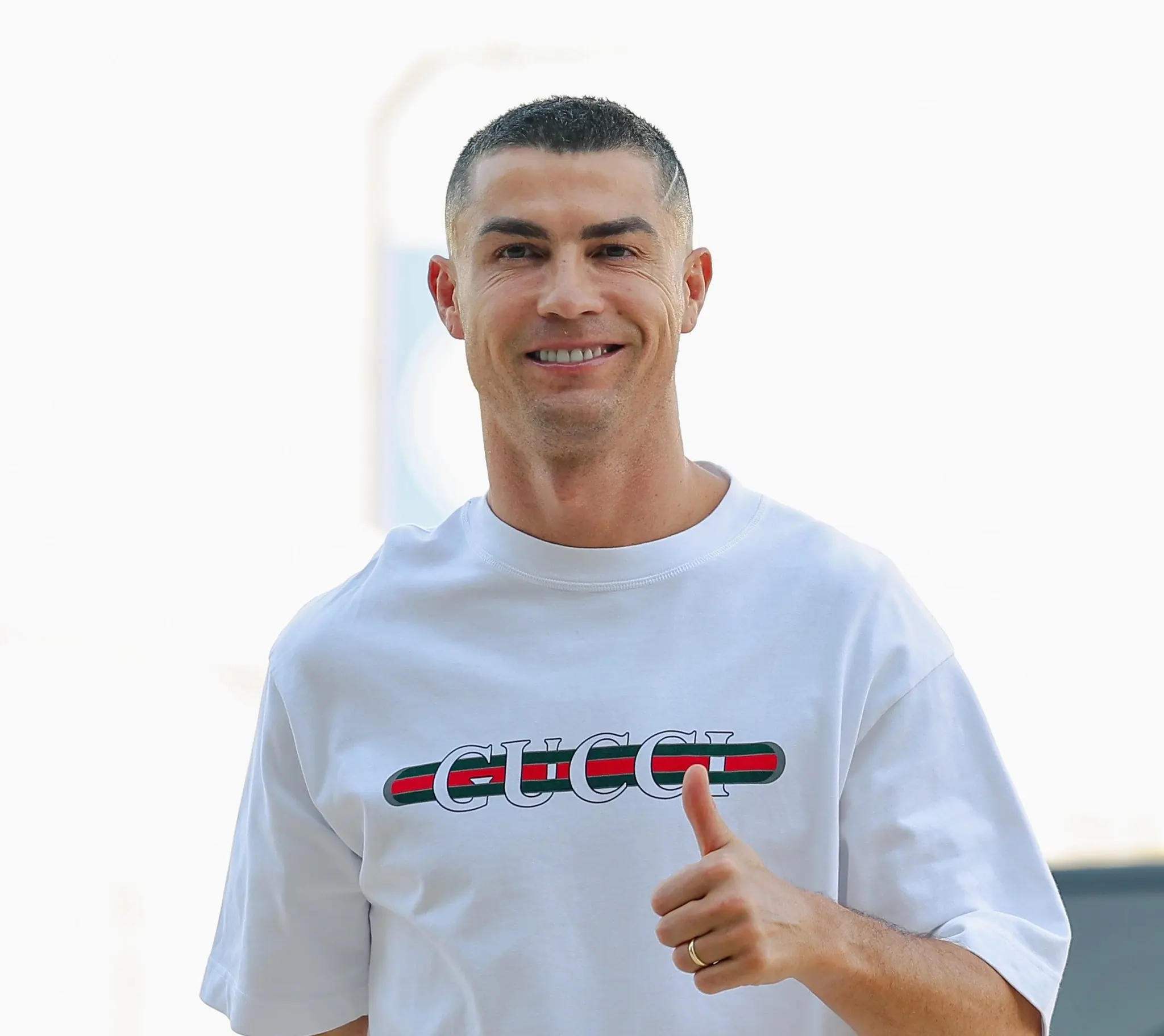
Cristiano Ronaldo has added a new line to his football résumé — investor — with a minority stake in Spain’s UD Almería, a club sitting in the promotion picture and backed by Saudi ownership.
Ronaldo has purchased a 25% share in the Spanish second-division side, according to a statement issued Thursday by Brunswick Group, a consulting firm representing the Portugal star. The stake was acquired through CR7 Sports Investments, positioning the five-time Ballon d’Or winner for a deeper role in the sport’s business landscape at a time when athlete-backed ownership is becoming a defining trend across global football.
The transaction arrives with Almería in a strong competitive spot. The club is currently third in Spain’s second division, a table position that keeps promotion firmly within reach and puts a brighter spotlight on the value of a recognizable global brand joining the ownership structure.
A stake timed to a promotion chase
Almería’s season context matters. In Spain’s second tier, the difference between a late-season surge and a narrow slip can swing a club’s financial trajectory. Promotion can unlock a higher revenue profile through stronger broadcasting distributions, commercial uplift, and a wider global audience, while a missed push often forces another year of careful budgeting and squad recalibration.
Almería was most recently in Spain’s top flight in the 2023–24 season, and the club’s current league standing underscores the ambition to return. Ronaldo, who played in Spain for nearly a decade and knows the market’s intensity, framed the investment as a long-held plan to contribute beyond his playing career.
“It has been a long-time ambition of mine to contribute to football, beyond the pitch,” Ronaldo said in the statement, describing Almería as a club with strong foundations and potential for growth.
Saudi ownership, a new president, and a high-profile partner
Almería has been under Saudi control for more than six years, and its ownership story has shifted again recently. Mohamed Al-Khereiji became the owner and president in the summer of 2025 after acquiring the club from Turki Al Alsheikh. Al-Khereiji welcomed Ronaldo’s arrival as an investor, emphasizing Ronaldo’s familiarity with Spanish football and the club’s direction.
In a market where sporting performance and institutional development often move together, that emphasis is telling. Al-Khereiji pointed to both the first team and the academy, a signal that the club’s plan is not solely built on short-term promotion pressure, but on building a platform that can sustain top-flight standards once achieved.
What Almería can gain beyond the capital
A minority stake does not automatically translate into football decisions, but it can transform the conversation around a club’s profile. For Almería, Ronaldo’s name carries immediate weight in sponsor rooms, international media coverage, and fan acquisition — especially across regions where his personal brand remains one of the most powerful in sport.
Three levers stand out:
Brand lift: Even without a weekly operational role, Ronaldo’s association can amplify the club’s visibility in global football circles, widening attention beyond the usual second-tier spotlight.
Commercial pull: Partners often respond to recognizability. Ronaldo’s presence in an ownership group can strengthen commercial negotiations, particularly where a club wants to expand its sponsorship footprint.
Project credibility: A high-profile investor can reinforce the idea of a coherent long-term plan — the kind of signal that can matter to talent recruitment, strategic partners, and broader market perception.
Still, those gains are only durable if results support the narrative. In Spain’s second division, momentum is fragile, and brand strength cannot replace points or squad balance.
What Ronaldo gets from a 25% share
For Ronaldo, the logic reads like a carefully measured expansion of influence. As elite athletes increasingly look beyond endorsements toward ownership stakes, teams have become platforms for long-term participation in the sport’s economics — valuations, commercial strategy, infrastructure, and talent development.
A 25% stake is substantial enough to matter while still leaving day-to-day club management with the controlling owners and executive leadership. That structure can be attractive for a global athlete brand: meaningful alignment with the upside of performance and growth, without the full operational exposure that comes with majority control.
It also builds a bridge between eras. Ronaldo’s playing career has spanned multiple leagues and commercial cycles, and ownership provides a way to remain embedded in football’s future even as minutes on the pitch become less central to the story.
The market questions that follow
The financial details were not disclosed, leaving open key questions about the exact valuation implied by the stake, how the investment will be reflected in the club’s medium-term spending plans, and whether the ownership group has set performance-linked triggers around promotion.
There is also the reality that promotion races can punish overreach. Clubs chasing the top flight sometimes stretch wage structures or transfer commitments that become difficult to unwind. If Almería’s strategy is built on sustainability, the balance between ambition and restraint will be critical — especially under increased attention.
For now, the headline is less about a number on a spreadsheet than a signal: Ronaldo is positioning himself as a participant in football’s ownership economy, and Almería is gaining an investor whose name can open doors few clubs at this level can access.
For the original report detailing the stake and the statements from both parties, see the Associated Press coverage.
You May Also Like

Make Swikblog your go-to source on Google for reliable updates, smart insights, and daily trends.