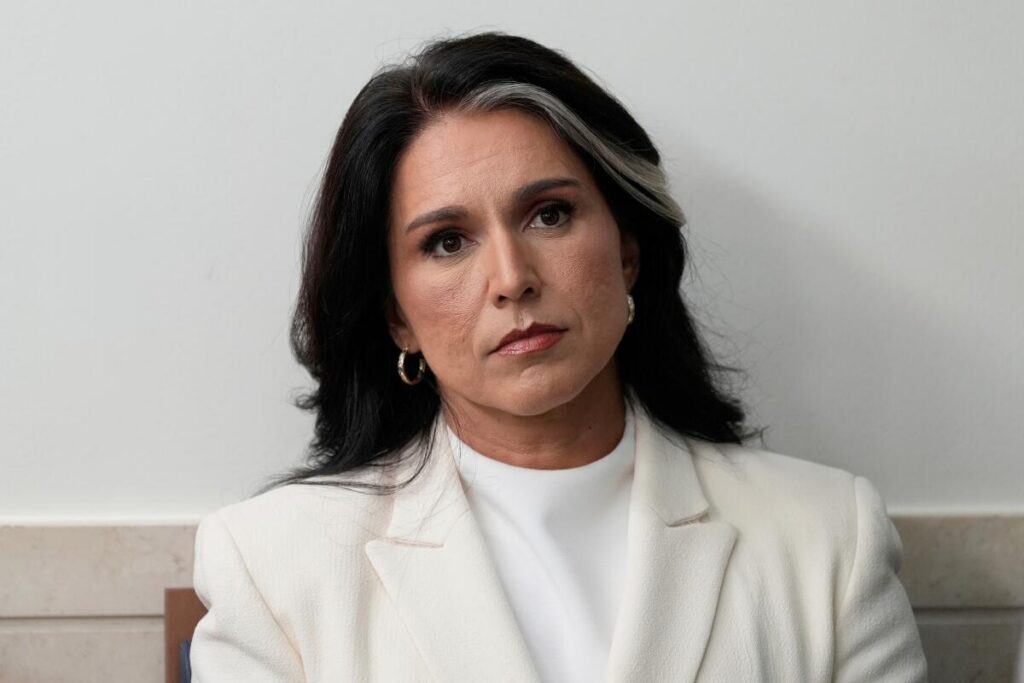

Tulsi Gabbard’s resignation as US intelligence chief is not only a personal story. The bigger question is what her exit reveals about pressure inside President Donald Trump’s national security team, and whether one of Washington’s most sensitive roles is now entering a period of political uncertainty.
Gabbard said she is stepping down as director of national intelligence to support her husband, Abraham Williams, after his diagnosis with a rare form of bone cancer. That reason is deeply personal, but the timing has drawn wider attention because her departure also follows reports of tension around her place inside Trump’s foreign policy and intelligence operation.
For many readers, the resignation raises a simple question: did Gabbard leave only because of family circumstances, or did political pressure also play a role? The safest answer is that both parts now shape the public story. Her stated reason is family, while the surrounding political atmosphere has made her exit much bigger than a routine resignation.
Why the DNI role matters
The director of national intelligence is one of the most important national security jobs in the US government. The person in the role helps coordinate information across America’s intelligence agencies and ensures the president receives the most important security assessments.
In simple terms, the DNI helps decide how intelligence is gathered, organized and presented at the highest level. That can include threats from countries such as Russia, China and Iran, cyber risks, terrorism concerns, election security and military intelligence.
The role does not usually attract daily public attention, but it matters because intelligence briefings can influence decisions on war, diplomacy, sanctions and national defense. More background on the office is available from the Office of the Director of National Intelligence.
Why Gabbard was an unusual pick
Gabbard was never a traditional intelligence chief. She first rose nationally as a Democratic congresswoman from Hawaii, later ran for president in 2020, and eventually became a high-profile Trump ally. She is also a military veteran, which gave her a national security profile different from many political figures in Washington.
That outsider image helped make her appointment interesting to Trump supporters who wanted someone willing to challenge the intelligence establishment. But it also made critics question whether she had enough trust inside the system she was chosen to oversee.
Her foreign policy views had long separated her from mainstream Washington. She often criticized US military intervention and presented herself as skeptical of foreign conflicts. That background became more important as the Trump administration faced major security decisions abroad.
White House pressure reports
The pressure reports matter because they suggest Gabbard’s role may have become more difficult inside Trump’s national security circle. Reports have pointed to strain over foreign policy, particularly around Iran, and questions about whether she remained fully aligned with the president’s closest advisers.
That does not mean every claim around her exit should be treated as fact. Gabbard’s public explanation remains focused on her husband’s health. But in Washington, timing matters. When a senior intelligence official leaves during a period of foreign policy tension, the political interpretation quickly becomes part of the story.
Trump has praised Gabbard’s service, and her deputy, Aaron Lukas, is expected to serve as acting director. That gives the administration a temporary bridge, but it does not end the larger question of who will control the intelligence message going forward.
What changes after her exit
The immediate change is leadership stability. An acting director can keep the office running, but a permanent replacement may require a nomination process and Senate confirmation. That could bring fresh scrutiny over experience, loyalty and independence.
The next intelligence chief will also have to manage trust between career intelligence officials and political leadership. That balance is difficult in any administration, but it becomes even more sensitive when national security decisions are tied to fast-moving global conflicts.
Gabbard’s resignation may be personal, political, or a mix of both in the eyes of Washington. What is clear is that her exit leaves a powerful intelligence role in transition at a moment when the White House needs steady national security leadership and clear control over the information reaching the president.
Read More
- Visit Swikblog Homepage
- Ricky Martin forced off stage after tear gas incident
- Rex Airlines cuts Tasmania and Mildura flights
- Dunkin’ launches 48-ounce coffee buckets nationwide
- Morrisons to shut 100 stores as costs surge
- Scotland airport strike threatens summer travel chaos

Make Swikblog your go-to source on Google for reliable updates, smart insights, and daily trends.