
NJ Transit’s World Cup fare dispute has taken a new turn after the agency lowered the planned round-trip train ticket to MetLife Stadium from $150 to $105, a move that gives fans some relief but does not fully end the argument over how expensive it will be to attend FIFA World Cup matches in New Jersey.
The revised fare comes after days of criticism from supporters, elected officials and football observers who questioned why a relatively short trip from New York Penn Station to the Meadowlands should cost so much during the tournament. While the 30% reduction is a clear response to that pressure, the new price is still far above the normal round-trip rail cost for the same general route.
For fans, the issue is simple: getting to the stadium has become another major expense on top of match tickets, hotels, food and travel. For NJ Transit, the matter is more complicated. The agency has said the World Cup will require a large-scale transport operation involving extra trains, staffing, crowd control, security planning and special station access rules across multiple match days.
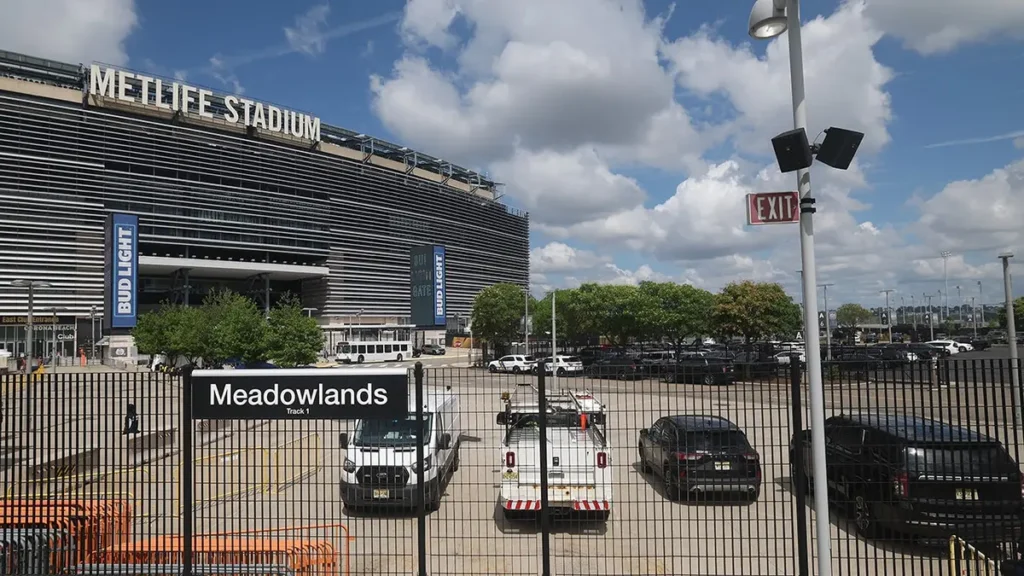
MetLife Stadium will be one of the most important venues of the 2026 FIFA World Cup. The stadium is scheduled to host eight matches, including the final on July 19. That alone makes the transport plan a major test for New Jersey and New York, especially because tens of thousands of fans are expected to depend on public transit rather than private cars.
The original $150 round-trip fare quickly became a flashpoint because regular rail travel to the Meadowlands is much cheaper. Many fans viewed the price as excessive, while officials argued that the tournament’s operational costs could not simply be pushed onto everyday commuters. New Jersey leaders also pressed NJ Transit to find private funding sources to reduce the burden on matchgoers.
According to the Associated Press, the fare cut followed backlash over the initial pricing plan and efforts to secure additional support. The agency has pointed to sponsorship and other non-taxpayer funding as part of the reason it was able to lower the ticket price.
Even after the reduction, the $105 fare is likely to remain controversial. A family of four travelling by train could still spend $420 just to reach and leave the stadium. That figure does not include FIFA match tickets, which have already drawn attention for high prices, especially for premium seats and the final. For international visitors, the cost may be absorbed as part of a once-in-a-lifetime trip. For local families, it may feel much harder to justify.
The wider concern is whether the World Cup is drifting away from ordinary football fans. The tournament is being marketed as a global celebration, but the real cost of attending a match in the New York-New Jersey region could be steep. Between transport, accommodation and tickets, the experience may become one of the most expensive sporting outings in the United States next summer.
MetLife Stadium’s location adds to the challenge. The venue is close to Manhattan by distance, but it is not the easiest stadium to reach without a coordinated transport plan. It sits in the Meadowlands, surrounded by highways and large event infrastructure rather than a walkable city-center neighborhood. During the World Cup, regular parking will be restricted, ride-share access is expected to be limited, and many fans will be pushed toward trains and shuttle buses.
That makes NJ Transit’s role central to the success of match days. If rail service works smoothly, fans may remember the tournament for the football. If trains are overcrowded, delayed or confusing, transport could become one of the defining complaints of the event.
Officials are also preparing special access rules around New York Penn Station. On match days, World Cup ticket holders are expected to use designated entrances and boarding areas for MetLife-bound trains. Regular commuters and other rail passengers may face changes during the busiest pre-match windows. These measures are designed to control crowds, but they may also create disruption for people who are not attending games.
Bus options will offer another route to the stadium. Official shuttle services are expected to operate from Manhattan locations including Port Authority and Midtown East, while a New Jersey park-and-ride shuttle will run from the Hackensack Meridian School of Medicine. Those bus tickets are priced separately, with the reported round-trip cost at $80.
Read More
The fare dispute has also opened a broader debate about who should pay for World Cup infrastructure. FIFA benefits from staging the tournament in major global markets, while host regions take on major planning, policing and transportation responsibilities. Local officials want to protect taxpayers and commuters. Fans want fair prices. Transit agencies want to cover real costs. Those interests do not always fit neatly together.
For New Jersey, the stakes are high. Hosting the World Cup final gives the state a rare chance to be at the center of the global sports calendar. Hotels, restaurants, transport providers and local businesses could all benefit from a surge in visitors. But the public mood around the event may depend heavily on whether fans feel welcomed or priced out.
There is also another major change happening inside MetLife Stadium. Because FIFA requires a natural grass playing surface, the stadium’s usual artificial turf is being replaced for the tournament. The new grass system has been engineered with deep sand, irrigation and climate-control support to meet World Cup standards. That work shows how much effort is going into transforming an NFL venue into a football stadium suitable for the world’s biggest match.
The transport issue, however, may matter just as much as the pitch. A World Cup final can bring global attention, but the fan experience begins long before kickoff. It starts at stations, buses, security lines and ticket checkpoints. That is why the drop from $150 to $105 is important: it signals that public pressure worked, but it also shows how expensive the tournament remains.
For readers following the business and sports impact of major events, Swikblog will continue tracking how World Cup 2026 costs, travel rules and stadium planning affect fans across the United States.
NJ Transit’s revised fare may calm some criticism, but it is unlikely to satisfy everyone. The agency can now say it lowered the price without shifting the full cost to regular riders. Fans can say the ticket is still far too high compared with normal travel. Both arguments have weight, which is why this story is likely to follow MetLife Stadium all the way to the World Cup final.

Make Swikblog your go-to source on Google for reliable updates, smart insights, and daily trends.