
Food safety officials are urging consumers in Illinois and Indiana to immediately check their refrigerators after a federal public health alert linked a popular deli meat product to possible listeria contamination.
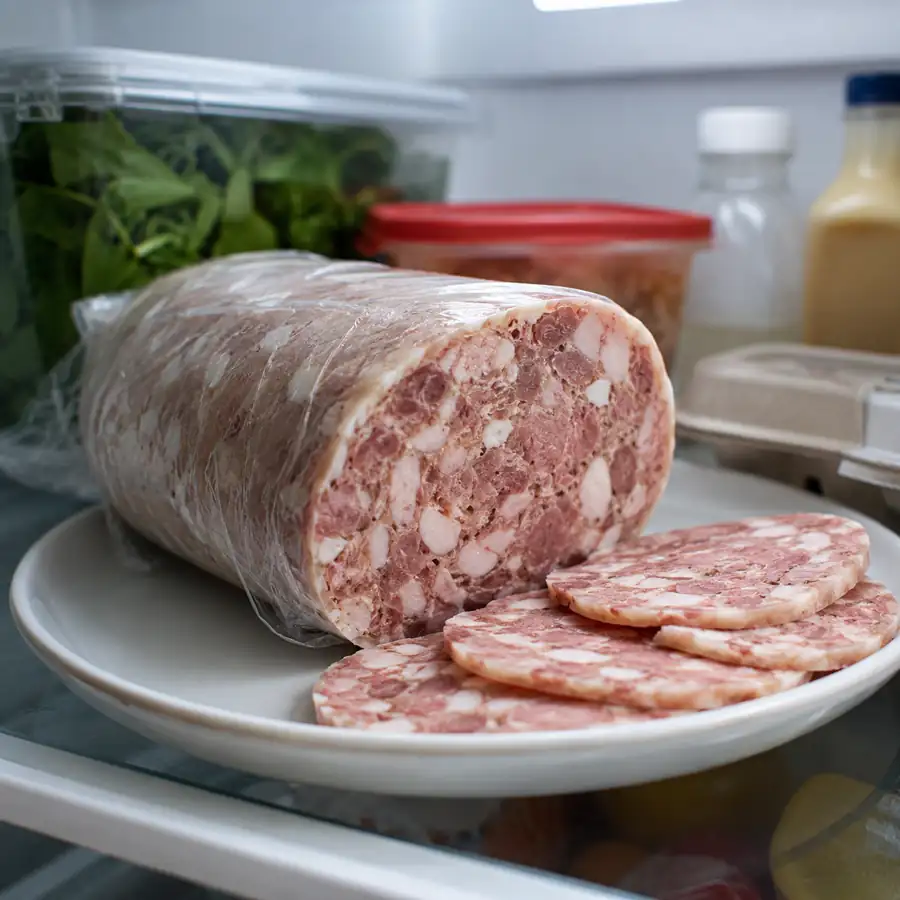
The warning involves Daisy Brand headcheese, a ready-to-eat pork deli product that federal investigators say may be connected to at least three reported illnesses in Illinois. The alert was issued by the U.S. Department of Agriculture’s Food Safety and Inspection Service (FSIS) after testing found Listeria monocytogenes in an unopened sample collected during an investigation.
While the affected meat products are no longer available for sale in stores, officials remain concerned that consumers could still have them stored at home. Because listeria bacteria can spread inside refrigerators and contaminate other foods, authorities are advising consumers not only to throw the product away but also to deep-clean kitchen surfaces and storage areas.
The latest alert comes as food safety concerns surrounding ready-to-eat deli meats continue to receive national attention. Similar outbreaks in recent years have pushed consumers to pay closer attention to USDA health advisories and expiration dates on refrigerated foods. Readers following recent consumer safety and product warning updates can also explore more reports on Swikblog.
What Product Is Included In The USDA Alert?
According to FSIS, the products included in the alert are various-weight packages labeled “DAISY BRAND Meat Products HEADCHEESE” carrying a use-by date of March 26, 2026. Some affected packages may also include a red sticker marked “HOT.”
The fully cooked pork products were produced on January 20, 2026, and distributed through retail deli locations in Illinois and Indiana. Officials said the products can be identified by establishment number “EST. 21406” inside the USDA inspection mark.
Because many deli customers purchase sliced meat packaged directly at the counter, some consumers may no longer have original labels or packaging available at home. Health officials say anyone who purchased Daisy Brand headcheese from a deli in the affected states in recent weeks should avoid consuming it if there is uncertainty about the product’s origin.
FSIS did not announce a mandatory recall because the product has already passed its retail sales period. However, the agency stressed that the contamination risk remains serious if leftover portions are still stored in refrigerators or freezers.
Why Officials Are Concerned About Listeria
Listeria infections are considered especially dangerous because the bacteria can survive and spread in cold refrigeration temperatures. Unlike many other foodborne bacteria, listeria does not stop growing inside refrigerated environments, which increases the risk of contamination spreading to nearby foods and surfaces.
That is one reason federal officials are urging consumers to sanitize refrigerator shelves, storage drawers, cutting boards and containers that may have come into contact with the deli meat.
Retail delis were also advised to clean and disinfect food preparation areas and discard any open meats or cheeses stored near the affected product.
Health experts warn that listeriosis can cause severe illness, particularly among pregnant women, older adults and people with weakened immune systems. Symptoms commonly include fever, muscle aches, nausea, vomiting, severe headache and neck stiffness.
In more serious cases, the infection can spread beyond the digestive system and require hospitalization. Pregnant women face additional risks because listeria infections may lead to miscarriage, premature delivery or severe infections in newborn babies.
Another challenge with listeria outbreaks is that symptoms may not appear immediately. Some people become ill within a few days, while others may not notice symptoms for several weeks after eating contaminated food. This delay can make tracing the source of infections more difficult for investigators.
Investigation Into Illinois Illnesses Continues
The USDA said the investigation began after health agencies identified several illnesses linked to listeria in Illinois. During the investigation, FSIS collected an unopened sample of Daisy Brand headcheese, which later tested positive for the bacteria.
Additional laboratory testing is now underway to determine whether the bacteria found in the meat matches the exact strain linked to the reported illnesses.
Headcheese itself is a traditional ready-to-eat deli meat product made from pork meat and seasonings that are cooked together and formed into a loaf or jelly-style product. Despite the name, it does not contain dairy ingredients.
Since the product is usually consumed cold without reheating, food safety experts say contamination can create a greater risk because bacteria are not destroyed before eating.
Consumers who experience symptoms after eating the product are advised to seek medical attention, especially if they belong to higher-risk groups.
More information about the alert is available through the official USDA FSIS public health advisory.

Make Swikblog your go-to source on Google for reliable updates, smart insights, and daily trends.