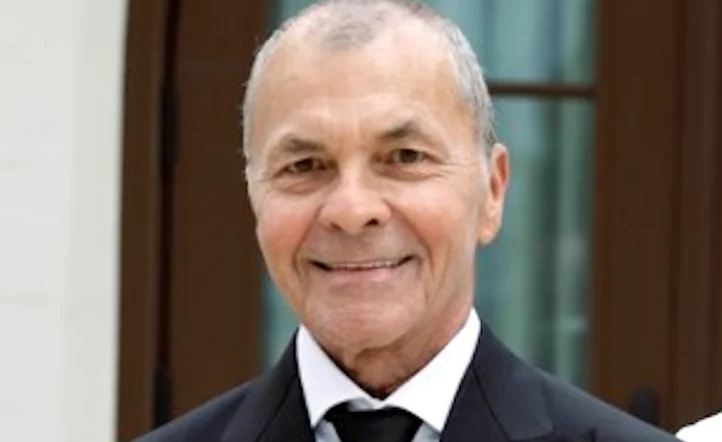
Diageo shares sank about 6% after the Guinness and Johnnie Walker maker reported a softer first half and delivered a blunt reset: H1 organic net sales fell 2.8%, organic operating profit dropped 2.8% to $3.26 billion, and management cut its full-year outlook while more than halving the interim dividend. For investors, it was the kind of package that forces a rethink of Diageo’s near-term rhythm: less confidence in demand recovery, tighter capital returns, and a sharper focus on rebuilding momentum under a new chief executive.
The first set of results under Sir Dave Lewis carried a clear message: Diageo wants more financial flexibility while it stabilizes performance in its two toughest arenas right now — the US spirits market and China’s white spirits category. Management framed the move as decisive rather than defensive, but the market read it as an admission that the earnings path back to prior expectations is likely to be slower and bumpier.
Earnings picture: demand cooled in the US and China
Diageo said the weakness was driven chiefly by soft US spirits demand, with tequila a notable drag, and continued declines in Chinese white spirits. In the US, where consumers have been more price sensitive, volumes and mix have been pressured by a combination of slower footfall, more promotions in the category, and distributors keeping inventories lean. Diageo’s US spirits net sales were down sharply, with tequila sales falling by more than 20% in the period — a reversal from the boom years when premium tequila was one of the industry’s most reliable growth engines.
China remained a second major headwind. Sales of Chinese white spirits fell steeply again, weighing on group price/mix and limiting the benefit from steadier trading elsewhere. Management noted that excluding Chinese white spirits, the group picture looked meaningfully better, but the market’s focus remained on what it will take to reignite the two biggest pressure points.
Guidance cut again: sales now seen falling 2% to 3%
Diageo also lowered full-year expectations for a second time in a short span. The company now forecasts full-year organic net sales down 2% to 3%. It expects organic operating profit to be flat to up low single digits, signaling that margin protection is a priority even as revenue comes under strain.
Reported net sales fell about 4% in the half, reflecting the organic decline and portfolio effects, partly offset by foreign exchange and adjustments in hyperinflationary markets. Organic volume was down modestly, while group price/mix also slipped, reflecting the mix shift from weaker premium segments and the continuing downdraft from Chinese white spirits.
Dividend halved: a new payout rulebook
The headline shock for many shareholders was the payout reset. Diageo declared an interim dividend of $0.20 per share, down from $0.405 previously. At the same time, the company moved to a new framework: a 30% to 50% payout policy designed to preserve flexibility for investment and deleveraging, with an annual minimum referenced by management as part of the broader reset. For a company often held as a core defensive income name, the symbolism mattered almost as much as the dollars.
Lewis said the group needs to “act more decisively” to enhance competitiveness and broaden its portfolio offering. Cutting the dividend was presented as the lever that accelerates balance-sheet strengthening while management works toward an updated strategy expected later in the year.
Debt and balance sheet: $21.7 billion net debt, deleveraging focus
Diageo reported net debt of $21.7 billion and highlighted actions aimed at reducing leverage. One key step is the expected sale of its 65% stake in East African Breweries, which management said should reduce leverage by roughly 0.25 turns. That’s not transformational on its own, but it reinforces the pivot toward a more conservative capital stance while the business navigates weaker trading conditions.
Investors will watch the balance-sheet trajectory closely because spirits companies tend to be judged not only on brands and growth, but on cash discipline. With dividends reset, the next debate becomes whether Diageo can convert that flexibility into faster improvement in underlying performance.
Cost savings: Accelerate program targets $625 million
Diageo’s cost response is being sharpened. The company said its Accelerate program is on track toward a $625 million savings target, with about 40% realized in the first half and roughly half of the total savings now expected to land in fiscal 2026. Those savings helped offset an estimated $324 million organic gross profit hit in the half.
Marketing and brand investment was also moderated. A&P spend fell around 10% as the company balanced support for key brands with a push for efficiency. The risk, as always, is that pulling back too far can slow recovery, but management appears to be choosing a tighter near-term posture while it rebuilds execution.
What investors will be watching next
The immediate question is whether the US spirits market stabilizes before the next financial year begins. If tequila demand continues to cool and retailers remain cautious on inventory, the pressure on volumes and mix could persist. China is the other swing factor: even a modest improvement in white spirits trends could change the tone, but visibility remains limited.
For now, Diageo is leaning on three pillars: protect margins through cost actions, improve cash flexibility through the payout reset, and simplify the portfolio and organization under the new CEO. The summer strategy update will matter because it will show whether this is a short-term reset or the start of a longer rebuild.
More details from the company’s interim materials and webcast are available via Diageo’s investor relations page.
You May Also Like
More market coverage on Swikblog

Make Swikblog your go-to source on Google for reliable updates, smart insights, and daily trends.