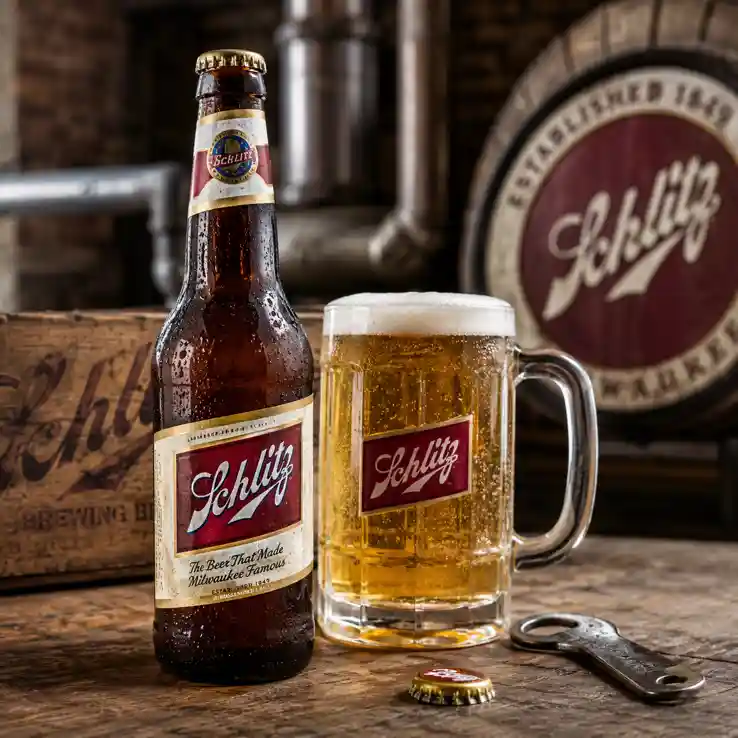

Schlitz beer is getting one last moment in the spotlight before it disappears from the American beer market. The historic lager, once promoted as “The Beer That Made Milwaukee Famous,” will be brewed for the final time by Wisconsin Brewing Company on May 23, 2026, closing a run that began in 1849 and stretched across nearly 177 years of U.S. brewing history.
The last batch will not be a routine production run. Wisconsin Brewing Company plans to make only an 80-barrel batch at its Verona brewery, using Schlitz’s 1948 brewing specifications. That detail matters because 1948 sits close to the period many beer fans associate with Schlitz’s strongest identity, before later changes and industry pressure weakened the brand’s place in the market.
Pabst Brewing Company, which owns Schlitz, has allowed the farewell brew after reportedly ending regular production of the label months ago. Wisconsin brewing veteran Kirby Nelson is leading the final batch and has framed it as a respectful send-off for a beer that still carries emotional weight in Milwaukee and across Wisconsin.
Pre-orders for the final Schlitz batch are expected to open on May 23 through Wisconsin Brewing Company’s website. The beer is then scheduled to become available on June 27. Given the limited size of the batch and the brand’s long history, demand is likely to come from collectors, longtime drinkers and beer fans who want a final piece of Milwaukee brewing nostalgia.
Why Schlitz Still Matters
Schlitz began as a small Milwaukee tavern brewery founded by August Krug in 1849. After Krug died in 1856, bookkeeper Joseph Schlitz took control of the business and gave the brewery his name. Schlitz himself died at sea only a few years later, but the company kept growing as Milwaukee became one of America’s most important beer cities.
By the 20th century, Schlitz had become a national powerhouse. It competed with major names including Miller, Pabst and Anheuser-Busch, and at one point became America’s largest brewer. Its advertising slogan became part of beer culture, helping turn a regional Milwaukee brand into a familiar name across the country.
The fall was just as dramatic as the rise. Schlitz lost momentum in the 1970s after production changes damaged consumer trust in the beer’s taste and consistency. At the same time, rivals were spending heavily on marketing and building stronger national distribution. Once a dominant brand, Schlitz began losing shelf space and loyalty at a pace it could not reverse.
In 1981, Schlitz announced it would cease operations, marking one of the most notable declines in American brewing. Pabst later bought the brand in 1999 and attempted a relaunch in 2008, leaning on heritage and nostalgia. The comeback created some attention, but it never restored Schlitz to the status it enjoyed during its peak years.
Read More
- Visit Swikblog Homepage
- China’s First WHQL-Certified Gaming GPU Targets RTX 4060 Performance
- Singapore Airlines Cuts Widebody Fleet Plan Amid Boeing 777-9 Delays
- Dunkin’ Offers Free Coffee Giveaway for Rewards Members
- Red Lobster’s Oldest Florida Location Is Closing
- Hellers Pork Recall in NZ Over Plastic Contamination Risk
The final 2026 brew gives Schlitz a cleaner ending than simply disappearing quietly from stores. Instead of letting the label fade without notice, Wisconsin Brewing Company is turning the last batch into a tribute to the beer’s best-known era. Local coverage from OnMilwaukee reported that Nelson received permission from Pabst to brew the final batch, while WTMJ also confirmed the limited farewell production in Verona.
A Final Pour for a Changing Beer Market
Schlitz’s exit also says something about today’s alcohol market. Older domestic beer brands are facing pressure from craft breweries, imported beers, ready-to-drink cocktails and younger consumers who do not have the same attachment to legacy labels. A famous name can still create nostalgia, but nostalgia alone is not always enough to support regular production.
That pressure is not limited to beer. Alcohol producers across categories are dealing with changing demand, pricing pressure and trade issues. Swikblog recently covered how policy shifts can affect major drinks companies in its report on Scotch whisky tariffs and gains for Diageo and Pernod.
For Schlitz, the final batch is less about a comeback and more about closure. It gives drinkers one last chance to taste a beer tied to Milwaukee’s brewing past, made with specifications from an earlier period in the brand’s life. After 177 years, Schlitz is not leaving as America’s biggest brewer. It is leaving as a symbol of how quickly even famous consumer brands can rise, fall and become history.

Make Swikblog your go-to source on Google for reliable updates, smart insights, and daily trends.