
A high-stakes legal battle is unfolding in the U.S. media industry as DirecTV and attorneys general from eight states have filed lawsuits to block Nexstar Media Group’s proposed $6.2 billion acquisition of Tegna. The case is rapidly becoming one of the most closely watched antitrust fights in broadcasting, with implications for cable prices, local journalism, and federal media ownership rules.
The lawsuits, filed in U.S. District Court in Sacramento, argue that the merger would give Nexstar excessive control over local television markets and allow it to demand higher fees from distributors like DirecTV — costs that could ultimately be passed on to millions of subscribers.
Deal that could reshape U.S. television
Nexstar first announced the Tegna acquisition in August, positioning it as a strategic move to scale up and compete with larger media companies and Big Tech platforms. If completed, the combined entity would own approximately 265 television stations across 40 states and Washington, D.C., including major affiliates of ABC, CBS, Fox, and NBC.
The scale of the merger is massive. The new company would reach nearly 60% of U.S. television households — far exceeding the Federal Communications Commission’s current national ownership cap of 39%. That means the deal may not only face legal hurdles but could also require regulatory changes to move forward.
DirecTV steps in with strong warning
DirecTV’s involvement has significantly escalated the conflict. In its lawsuit, the satellite provider argued that Nexstar’s primary motivation behind acquiring Tegna is to increase its leverage over distributors.
“Nexstar’s purpose in acquiring Tegna is to drive up the price it can extract,” the company argued, warning that such increases would force providers to raise subscription prices for consumers.
This concern is rooted in retransmission fees — payments that distributors must make to broadcasters to carry their channels. These disputes have already caused blackouts and price hikes in the past, and critics believe a larger Nexstar would have even more negotiating power.
For consumers, this could translate into higher monthly bills at a time when streaming competition and inflation are already squeezing household budgets.
Eight states cite antitrust violations
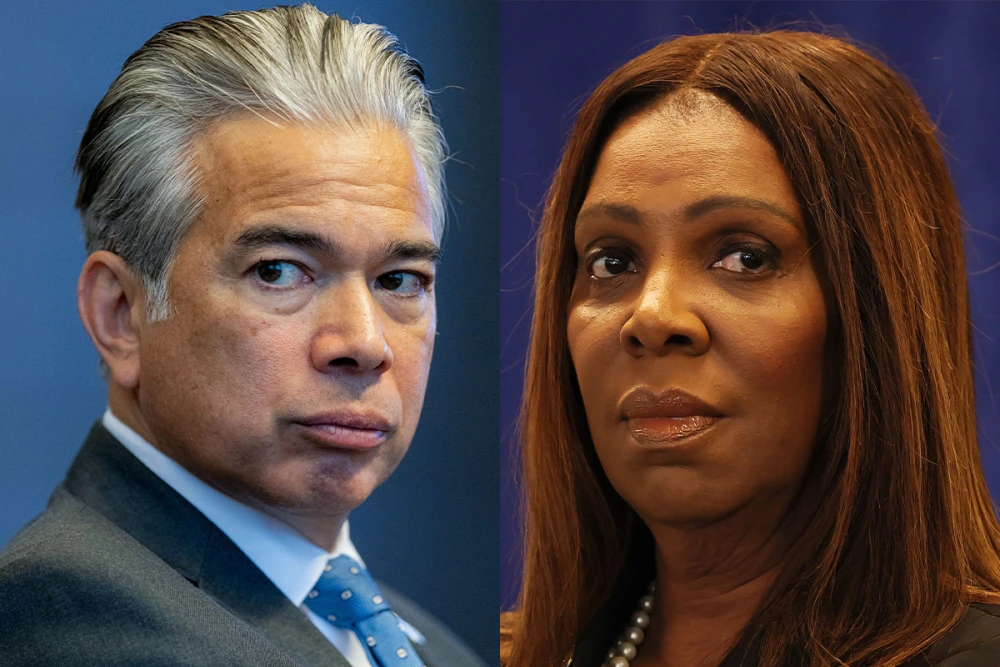
The legal challenge is being led by attorneys general from California, New York, Colorado, Connecticut, Illinois, North Carolina, Oregon, and Virginia. Their lawsuits argue that the merger violates federal antitrust law, specifically provisions designed to prevent deals that substantially lessen competition.
Officials say the impact would be especially significant in local markets where both Nexstar and Tegna already operate. According to the filings, there are at least 31 such markets across the country, raising concerns about reduced competition and fewer independent news sources.
New York Attorney General Letitia James warned that the merger could directly affect consumers nationwide, stating that cable prices could spike if the deal is allowed to proceed.
Local journalism at risk
Beyond pricing concerns, the lawsuits highlight a deeper issue: the future of local journalism. Nexstar has previously been criticized for consolidating news operations in markets where it owns multiple stations, a practice that can reduce newsroom staff and limit editorial diversity.
State officials argue that fewer independent stations competing in the same market could weaken investigative reporting and reduce accountability. In an era when local news is already under pressure, further consolidation could leave communities with fewer reliable sources of information.
“We all benefit when local newsrooms compete to get stories,” James said, emphasizing the broader democratic importance of maintaining strong local media competition.
Political support and regulatory tension
The merger has also taken on a political dimension. President Donald Trump publicly endorsed the deal earlier this year, stating that the U.S. needs stronger competition against what he described as “fake news national TV networks.”
Meanwhile, FCC Chairman Brendan Carr has indicated support for loosening ownership restrictions, signaling a potential path forward for Nexstar. However, any such move would likely face intense scrutiny, given the scale of the proposed merger.
At the same time, FCC Commissioner Anna Gomez has called for transparency in the review process, warning against approving the deal without full public oversight.
Past controversies add to concerns
Nexstar’s growing influence has already been tested. Last year, the company made headlines after ordering its ABC-affiliated stations to drop late-night host Jimmy Kimmel following controversial remarks he made about a Republican activist. The move triggered backlash, and Nexstar eventually reversed its decision.
Critics say the incident illustrates the risks of concentrated media ownership, where corporate decisions can quickly influence what content reaches local audiences.
Industry and investor implications
The outcome of this legal battle could have far-reaching consequences for the media industry. If the merger is blocked, it may signal a tougher stance on consolidation and discourage similar large-scale deals. If approved, it could pave the way for further mergers and reshape the competitive landscape of local broadcasting.
Investors are closely watching how regulators and courts respond, as the decision could impact valuations across the broadcast sector. A successful merger would strengthen Nexstar’s scale and bargaining power, while a prolonged legal fight could delay growth and introduce uncertainty.
For readers tracking regulatory developments, updates from the Federal Communications Commission and antitrust enforcement trends via the Federal Trade Commission will be key indicators of how the case may unfold.
A defining moment for media consolidation
The Nexstar-Tegna merger has quickly evolved into more than just a corporate deal. With DirecTV joining forces with eight states, the case now sits at the intersection of consumer costs, media power, regulatory policy, and political influence.
Whether the deal is ultimately approved, modified, or blocked, it is likely to set a precedent for how future media mergers are evaluated in the United States. For now, the battle lines are drawn — and the outcome could reshape the future of local television for years to come.

Make Swikblog your go-to source on Google for reliable updates, smart insights, and daily trends.