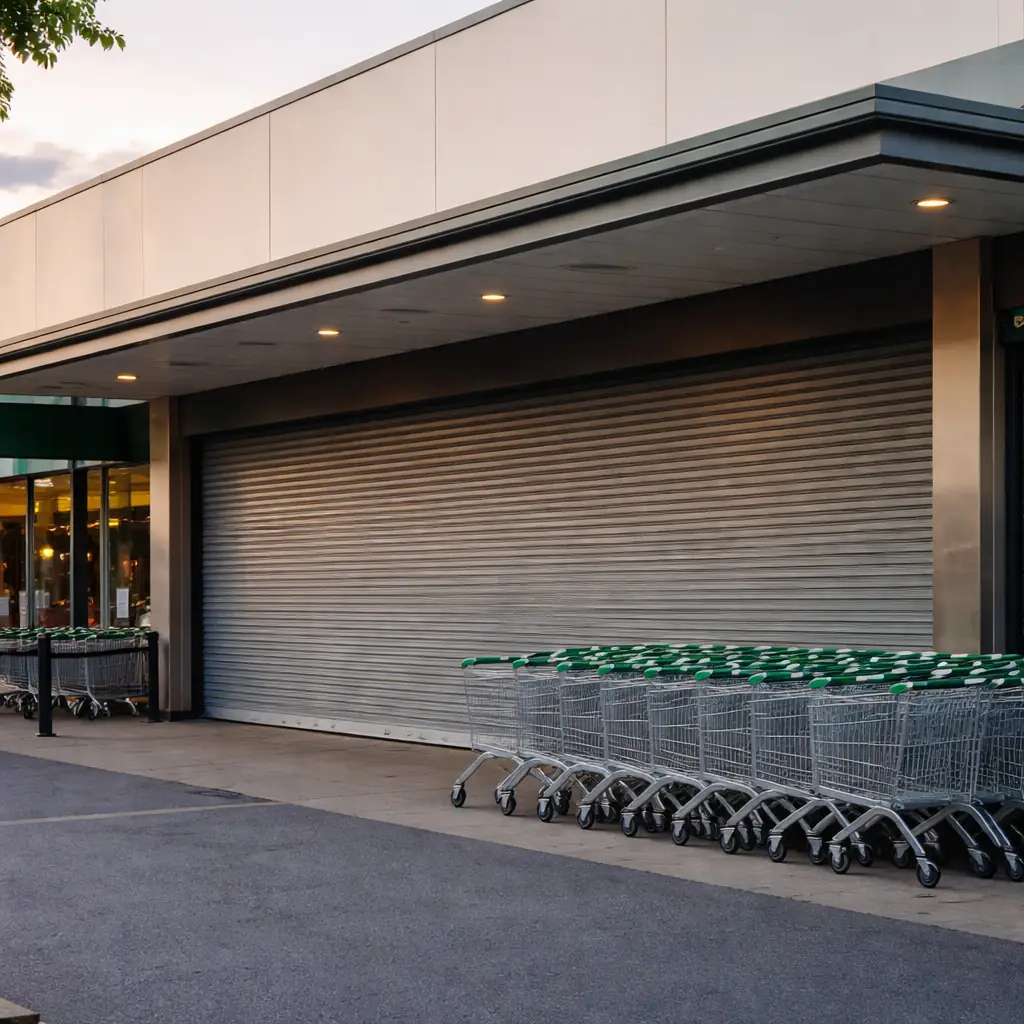

Shoppers across Australia are facing a major Easter disruption in 2026, with as much as 80% of major retail stores shutting down on Good Friday — one of the strictest trading days of the year.
From supermarkets to bottle shops and shopping centres, the sudden nationwide closure has left many scrambling for last-minute groceries, Easter chocolates, and essentials. For those who didn’t plan ahead, the long weekend has already turned into a retail headache.
This year, Good Friday falls on April 3, kicking off a four-day Easter break that significantly alters shopping habits across the country. While closures are expected, the scale and variation in trading hours across states have caught many off guard.
Supermarkets and bottle shops shut across the country
Australia’s biggest supermarket chains — Woolworths, Coles, and Aldi — have largely closed their doors on Good Friday, cutting off access to everyday essentials for millions of households.
Woolworths stores are shut nationwide, while most Coles locations are also closed, with only a handful of exceptions in select regions such as South Australia. Aldi has followed the same pattern, keeping all stores closed for the day.
Independent retailers are filling some of the gap. Around two dozen IGA stores in Victoria are open, though many are operating on reduced hours. Customers are being urged to check local listings before heading out.
Bottle shops have also been heavily impacted. Major chains including Dan Murphy’s, BWS, Liquorland, and Thirsty Camel are closed across key states such as New South Wales, Victoria, Queensland, Western Australia, and the Northern Territory. In many areas, even pubs are restricted from selling takeaway alcohol.
There are limited exceptions. Tasmania allows alcohol sales through select outlets, while South Australia and the ACT have fewer restrictions, highlighting how state-based laws continue to shape Easter trading.
Retail giants and shopping centres go dark
Beyond groceries, the shutdown extends to major retail chains and shopping destinations.
Westfield shopping centres across Australia are closed on Good Friday, removing access to hundreds of stores in a single move. Department stores and big-box retailers — including Kmart, Target, Big W, Ikea, and Bunnings — have also shut for the day.
This widespread closure underscores how Good Friday remains one of the few days where large-scale retail activity effectively stops nationwide.
However, the shutdown is temporary. Most retailers will reopen from Saturday, though with reduced or varied trading hours depending on location.
Easter weekend trading hours vary by day
After the Good Friday shutdown, retail activity resumes — but not uniformly.
Saturday: Most supermarkets including Woolworths, Coles, and Aldi reopen, with trading hours varying by store and region. Shopping centres begin operating again, typically between 9am and 5pm.
Sunday: Trading becomes more mixed. Some Woolworths and Aldi stores close again, while Coles stores in metro areas like Sydney may shut, with regional locations more likely to open. Shopping centre hours are shortened, often between 10am and 5pm.
Monday: Easter Monday sees a broader return to trading, with supermarkets and major retailers reopening across the country, though still under public holiday schedules.
This uneven pattern has made planning difficult, particularly for families hosting gatherings or travelling during the long weekend.
Why Easter still disrupts modern retail
Despite the rise of 24/7 shopping culture, Easter remains one of the few periods where strict trading laws continue to apply in Australia.
Good Friday, in particular, is protected under long-standing regulations tied to religious observance and worker protections. These rules limit large retailers from opening, creating a rare pause in the country’s otherwise constant retail cycle.
But consumer behaviour is changing. With rising living costs and tighter household budgets, more Australians are planning ahead, stocking up earlier, or turning to smaller local stores that remain open.
At the same time, spending patterns are shifting away from traditional shopping. Instead of crowded malls, many are choosing experiences — from sporting events to family outings and public attractions.
In cities like Melbourne, the Easter long weekend is packed with activity, even as retail options remain limited. Public transport continues to operate on holiday timetables, supporting travel across events rather than shopping hubs.
What shoppers should do now
The biggest lesson from Easter 2026 is simple: preparation matters.
With major supermarkets and bottle shops closed on Good Friday and inconsistent hours across the weekend, last-minute shopping is no longer reliable. Checking store hours in advance has become essential.
Retailers such as Coles store locator can help shoppers confirm whether their local store is open and avoid unnecessary trips.
For global audiences, Australia’s Easter shutdown highlights a unique contrast. While many countries keep stores open during holidays, Australia still enforces widespread closures — blending tradition with modern retail realities.
As Easter 2026 unfolds, one thing is clear: this is no ordinary shopping weekend. It’s a nationwide pause that continues to reshape how, when, and where people spend.
You May Also Like
- Tesco UK Easter 2026: Stores Closed Sunday – Opening Times & What to Know
- Motorcyclist Dies in NSW Monaro Highway Crash as Easter Travel Chaos Triggers 5-Hour Delays
- Auckland Easter Show 2026 Pulls Huge Crowds With Mega Rides and Action-Packed Shows Lineup

Make Swikblog your go-to source on Google for reliable updates, smart insights, and daily trends.