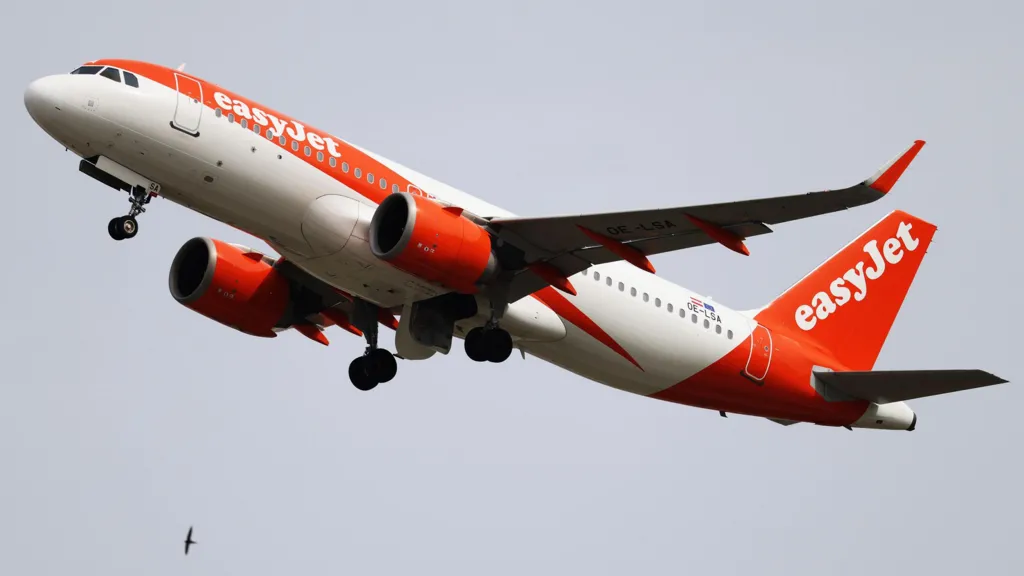

Passengers on an EasyJet flight from London Southend Airport to Malaga were asked to step off the aircraft just minutes before departure after the plane was deemed too heavy to take off safely, an unusual incident that has quickly gained attention among travellers.
The Airbus A319 was scheduled to depart at 8:40am on April 11 but was delayed after the captain informed passengers that the aircraft could not take off unless weight was reduced. According to those on board, six volunteers were initially requested to leave the plane, though five passengers eventually disembarked within about 10 minutes, allowing the flight to proceed.
The aircraft ultimately departed at 8:59am, with EasyJet confirming a delay of around 12 minutes. Passengers who stepped off were offered free transport to London Gatwick and rebooked on alternative flights later the same day, along with compensation.
What led to the unusual request
EasyJet said the decision was driven by a combination of weather conditions and the relatively short runway at Southend Airport, both of which can impose stricter limits on how much weight an aircraft can safely carry during takeoff.
While the Airbus A319 has a maximum takeoff weight of around 75.5 tonnes, operational limits vary depending on external conditions such as temperature, wind, fuel load and runway length. In some cases, airlines must reduce weight either by offloading baggage or asking passengers to volunteer to travel on a later flight.
Passengers said the captain even suggested the possibility of flying luggage separately, but the situation was resolved when volunteers agreed to leave. Those remaining on board reportedly applauded the passengers who stepped off.
For some travellers, the experience was unsettling. One passenger described initially thinking the announcement was a joke before realising the situation was serious, adding that it made her feel uneasy as a nervous flyer.
Why it matters for passengers
Although rare in public view, such decisions are part of standard aviation safety procedures. Airlines do not typically weigh individual passengers but instead rely on standard average weights combined with baggage and fuel calculations. When conditions change, these estimates can push an aircraft beyond safe operating limits for a specific runway.
Incidents like this highlight how tightly balanced airline operations can be, particularly at airports with shorter runways like Southend. They also underline the importance of safety-first decision-making, even when it causes inconvenience or confusion for passengers.
According to guidance from the UK Civil Aviation Authority, passengers affected by situations such as denied boarding or significant delays may be entitled to compensation depending on circumstances and delay length. More details can be found on the official CAA website.
The incident is not entirely unprecedented. Reports indicate that a similar issue occurred on the same Southend-to-Malaga route in 2014, suggesting that operational constraints at the airport can occasionally create challenges for fully loaded flights.
For airlines, the episode reflects the fine margins involved in balancing efficiency, passenger demand and safety. For travellers, it offers a rare glimpse into the behind-the-scenes calculations that determine whether a plane can leave the ground at all.
You may like: Alex Manninger dies in train crash: former Arsenal goalkeeper mourned.

Make Swikblog your go-to source on Google for reliable updates, smart insights, and daily trends.