
A father and son have been fined $15,000 each after video evidence helped expose the illegal sinking of a fishing vessel off the New South Wales South Coast.
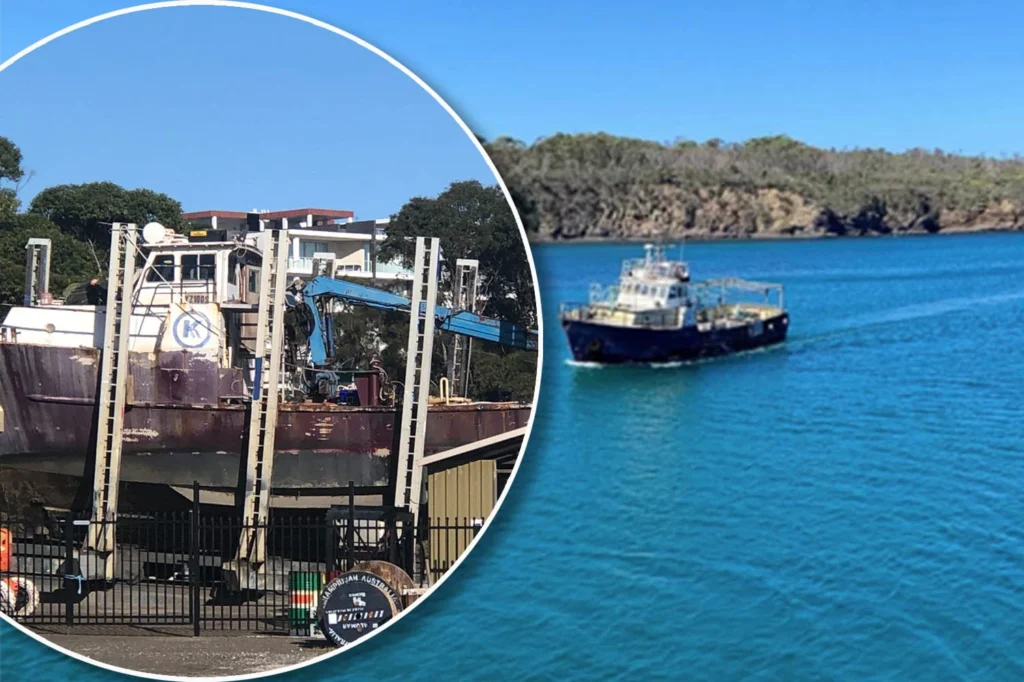
The pair were convicted in Nowra Local Court over the deliberate scuttling of the Maria Louise K, a 16-metre former fishing vessel dumped in Australian waters without a permit.
The case has drawn sharp attention because it was described as an Australian first, with the penalties underscoring how seriously authorities are now treating illegal sea dumping. For readers following the story, the court outcome was not simply about an old boat being taken out of service. It was about a vessel being intentionally sunk offshore after authorities concluded it was no longer commercially viable, with prosecutors arguing that financial inconvenience did not justify dumping waste into the marine environment.
According to the case details, Marcus Clem McDermott and Mark Anthony McDermott were found guilty after the court determined beyond reasonable doubt that they had agreed to dump the vessel because of its low commercial viability and their inability to scrap or sell it. That point is central to the significance of the ruling. The judgment sends a message that cost pressures in the fishing industry do not override environmental law, especially where the disposal of a vessel can create long-term marine hazards.
Why this case has attracted so much attention
The facts of the case are unusually striking. The Maria Louise K was a former fishing vessel built in 1970 and registered in Fremantle. It had previously operated in both Western Australia and South Australia as a commercial trawling vessel. After being purchased in 2020, the vessel was later taken out to sea and sunk on 24 January 2023.
Authorities said a prior NSW Maritime inspection while the vessel was berthed at Ulladulla Harbour had already noted that it was not in a seaworthy state. That detail matters because it reinforces the prosecution narrative that this was not an accidental loss at sea or a sudden mechanical failure during a voyage. Instead, the court accepted that the sinking was deliberate.
The wreck was eventually found 5.8 nautical miles northeast of Ulladulla Port on the ocean floor at a depth of roughly 80 to 90 metres. That discovery helped close the loop on an investigation that reportedly began after a tip-off from a concerned member of the public. From a news perspective, that combination of public tip, underwater wreck location, video evidence and criminal penalties gives the story exactly the kind of hard-edged factual shape that tends to attract national attention.
Key point: This was not treated as a minor marine compliance matter. The prosecution framed it as unlawful dumping in Australian waters, and the court outcome shows that regulators are prepared to pursue these cases all the way to conviction.
The legal issue behind the fines
At the centre of the case is the Environment Protection (Sea Dumping) Act 1981, which prohibits the dumping of waste in Australian waters without a permit. In practical terms, that means owners cannot simply tow an unwanted vessel offshore and leave it on the seabed. Once a boat is intentionally disposed of in the ocean without approval, it can become both an environmental issue and a criminal matter.
The maximum penalty for sea dumping without a permit is $16,500 or two years in jail. Against that benchmark, the $15,000 fines imposed on each defendant sit close to the top end of the available financial penalty, which helps explain why the case is being discussed so widely. These were not nominal fines designed to wrap up a technical breach. They were substantial penalties, and the court made clear that deterrence mattered.
Australian marine regulators have repeatedly stressed that illegal dumping can threaten ecosystems, seabed integrity and surrounding waters. An old fishing vessel left underwater is not just scrap metal disappearing from view. It may carry fuel residues, marine debris and other pollutants, while also creating a precedent that authorities plainly do not want normalised. Readers wanting the official government case summary can find it in the Department of Climate Change, Energy, the Environment and Water’s media release on the prosecution.
The broader message from the prosecution is difficult to miss. Regulators are signalling that illegal marine disposal will be treated as deliberate environmental harm, not as an industry shortcut that can be overlooked when a vessel becomes too costly to maintain, sell or dismantle.
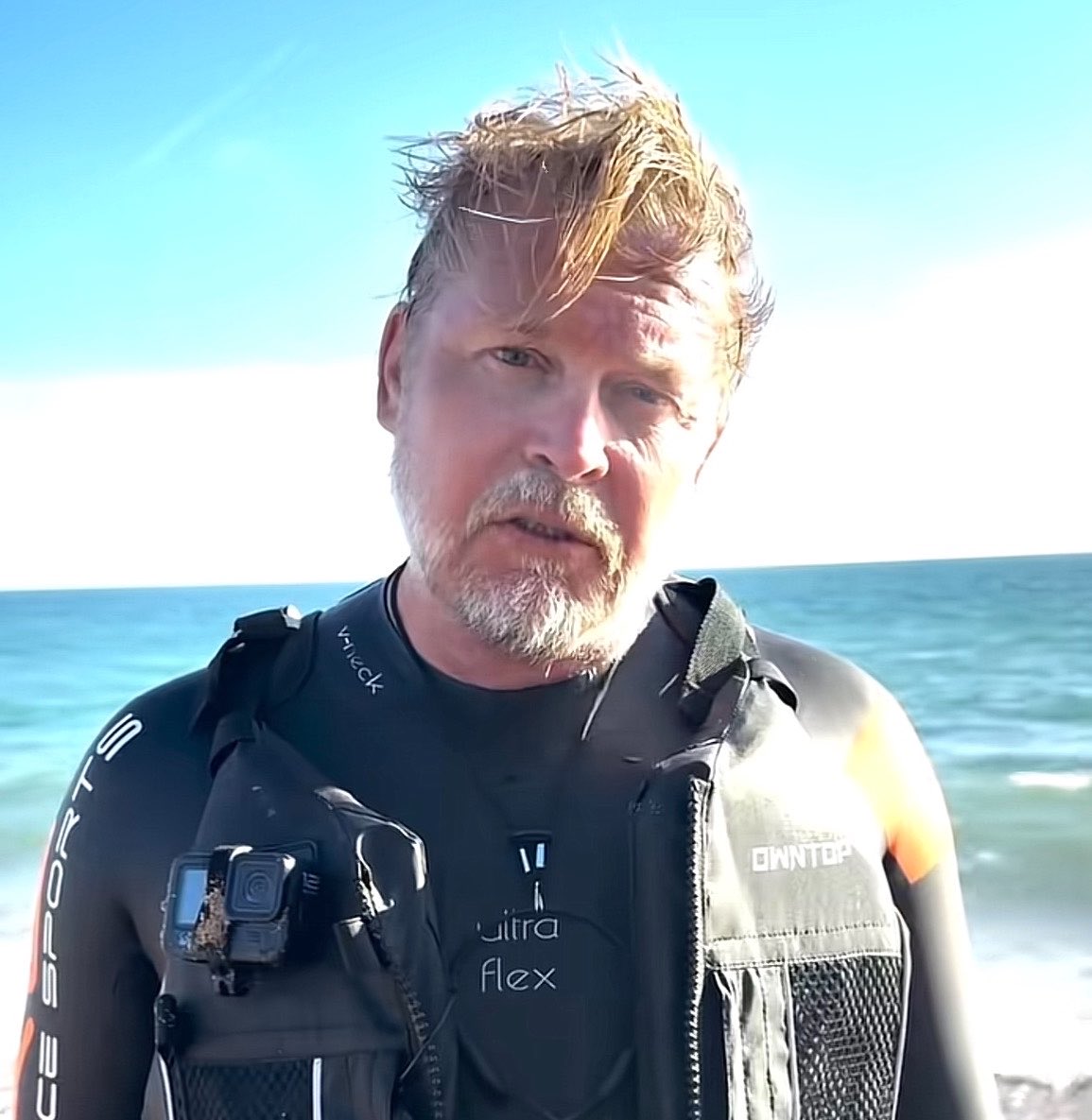
That is also why the “video shows” element has amplified interest in the story. Cases involving environmental rules can sometimes feel remote or technical. Video changes that. It gives the public a direct visual connection to the act at the centre of the prosecution, and that usually drives both attention and outrage in a way official statements alone do not.
For publishers chasing visibility in Google News and Top Stories, this kind of article works best when the facts are presented immediately and without delay: who was fined, how much, what happened, where it happened, and why it mattered. This case has all of those elements. The penalties were large, the allegations were vivid, the video component lifted public interest, and the environmental angle gave the court outcome wider relevance beyond a local fishing dispute.
What remains most notable is that a vessel considered commercially unworkable did not simply become a financial problem for its owners. It became the basis for a landmark prosecution. That shift, from private inconvenience to public environmental offence, is what makes the story stronger than a routine court brief and gives it broader national appeal.

Make Swikblog your go-to source on Google for reliable updates, smart insights, and daily trends.