Updated: December 3, 2025
Written by Swikblog News Desk
US shoppers are being urged to check any shredded cheese in their fridge after the US Food and Drug Administration (FDA) announced a major recall affecting more than 1.5 million bags of cheese sold across the country. The products, made by Great Lakes Cheese Co., Inc., may contain small metal fragments that could cause internal injury if swallowed.
The recalled cheeses were distributed under multiple supermarket brands and private labels, including Walmart’s Great Value, Target’s Good & Gather, and Aldi’s Happy Farms, and were shipped to around 31 US states plus Puerto Rico. While no injuries have been confirmed so far, regulators are treating the recall as a serious food safety issue and telling consumers not to eat the affected packs.
Which shredded cheeses are being recalled?
According to the FDA enforcement summary, the recall covers a wide range of low-moisture part-skim mozzarella and mixed shredded cheese blends produced by Great Lakes Cheese. The affected lines include:
- Plain shredded mozzarella
- Italian-style shredded blends
- Pizza-style shredded cheese blends
- Mozzarella & provolone blends
- Mozzarella & parmesan blends
These cheeses were sold under many different supermarket brands such as Great Value, Good & Gather, Happy Farms, Food Club, Laura Lynn, Publix and others. Most affected bags carry best-by dates in early 2026, meaning they could easily still be sitting in home fridges right now.
For the full list of product names, sizes, UPC codes and best-by dates, consumers are advised to check the official FDA recall notice , which is being updated as more information becomes available.
Why the recall is so serious
The FDA has classified this as a Class II recall, meaning the product may cause temporary or medically reversible health problems, and in rare cases a more serious injury. Even tiny metal fragments can damage teeth, cut the mouth or throat, or cause internal injury if swallowed.
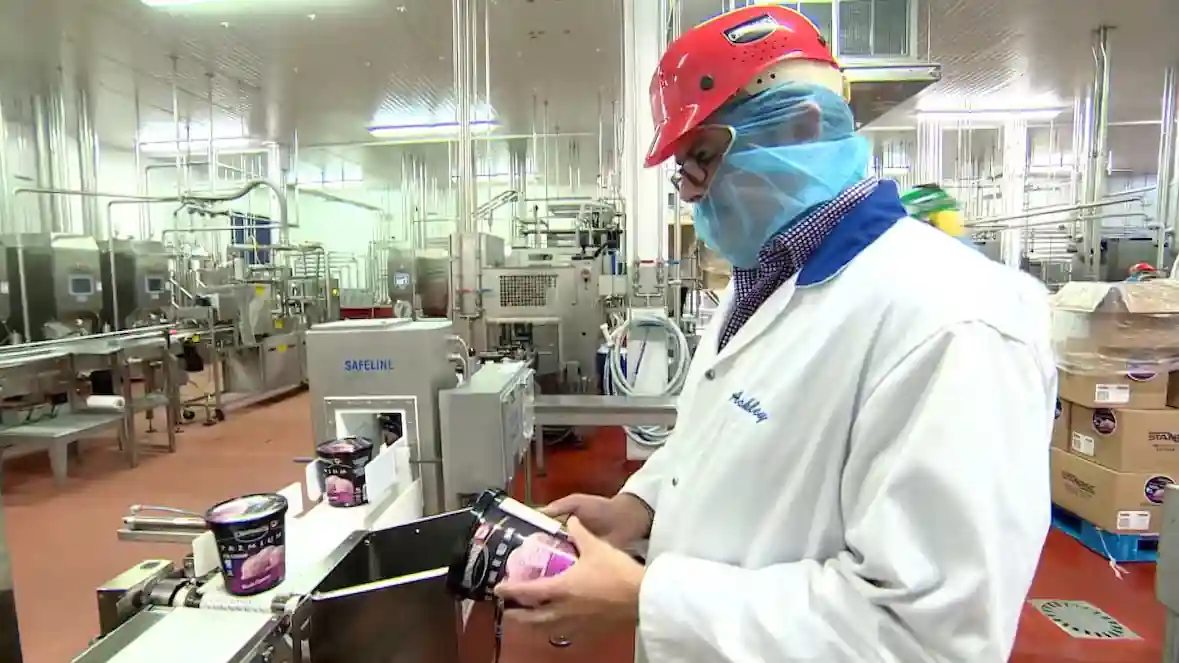
Food safety experts say the recall shows how vulnerable processed foods can be to mechanical contamination on large industrial production lines. In this case, officials believe the metal fragments likely came from equipment involved in shredding or packaging the cheese. Quality checks caught the problem, but by then hundreds of thousands of cases had already been shipped.
Similar multi-state recalls have hit other dairy products this year, including cheeses pulled over potential Listeria and other food-borne pathogens , underscoring how important it is for shoppers to pay attention to brand alerts and use-by dates.
How to check if your shredded cheese is affected
US consumers are being asked to do a quick three-step check in their fridge and freezer:
- Check the brand and store: Look for shredded cheese from Walmart, Target, Aldi and other big chains, especially Great Value, Good & Gather, Happy Farms and other store brands.
- Check the product style and size: Focus on mozzarella, Italian-style or pizza-style shredded cheeses in bags typically ranging from 8 oz to 32 oz.
- Check the date and code: Compare the best-by dates and UPC codes on the back of the pack with the list on the FDA recall page. If your pack matches any of the codes, treat it as unsafe.
If you are in any doubt and cannot confirm whether your cheese is impacted, the safest option is to avoid eating it and contact the retailer or manufacturer for guidance.
What to do if you have recalled shredded cheese
The FDA and Great Lakes Cheese are advising customers to stop using the product immediately. You have two main options:
- Throw it away: Seal the bag, place it in the trash and make sure pets cannot access it.
- Return it to the store: Most major retailers are offering a refund or replacement when you bring back the affected pack or a proof of purchase.
If you think you may have already eaten some of the recalled cheese and experience symptoms such as severe stomach pain, vomiting, bleeding or difficulty swallowing, you should seek medical advice promptly and tell your clinician about the recall.
Food recalls and everyday risk: what shoppers can learn
While large-scale recalls like this shredded cheese alert are alarming, food safety experts stress that they are also a sign that monitoring systems are working. Companies are required to notify regulators when there is evidence of contamination and to remove affected products from sale quickly.
For households, the key lessons are simple: keep receipts when possible, read labels carefully, and follow recall alerts from trusted sources such as the FDA, CDC and reputable news outlets. Building the habit of checking recall news just once a week can dramatically reduce the chance that a risky product stays in your kitchen unnoticed.
Elsewhere on Swikblog, sports fans can catch up on our recent coverage of Chris Paul Cut by Clippers in Shock Emotional Split: “They Sent Me Home” Twist Stuns NBA Fans
, as football and food often collide on busy match nights.
Bottom line: if you buy supermarket shredded cheese in the US, now is the time to double-check your fridge, compare your packs against the FDA list, and act quickly if yours is on the recall list.

Make Swikblog your go-to source on Google for reliable updates, smart insights, and daily trends.