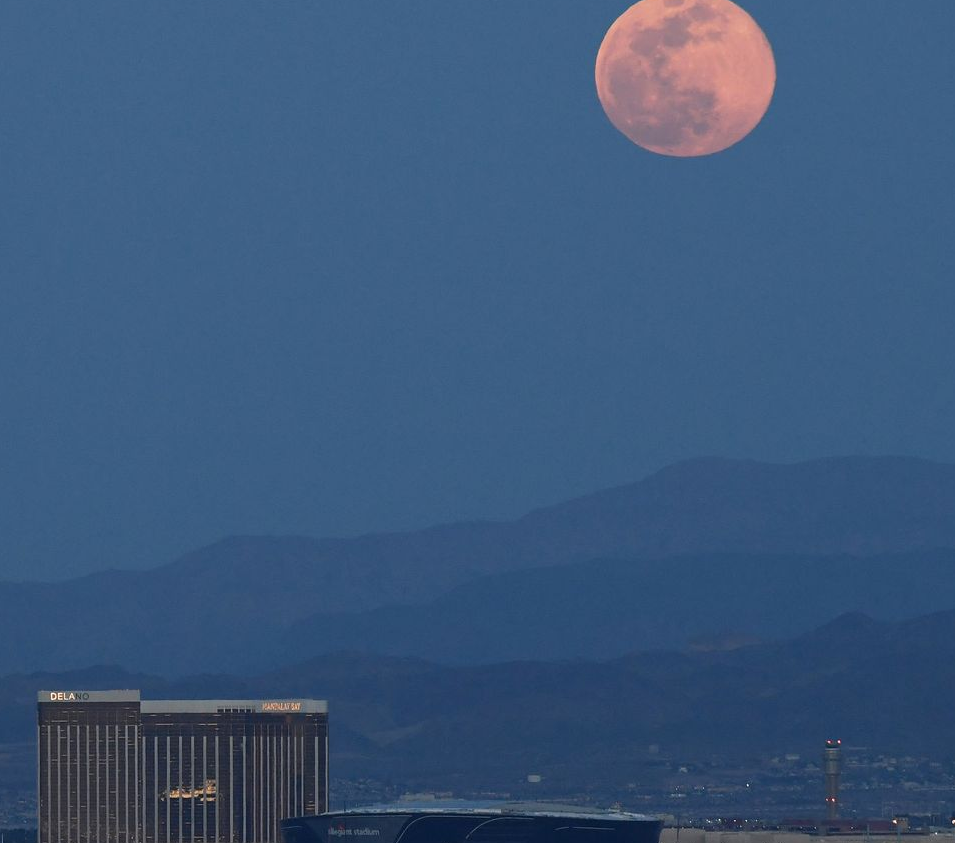

The April full moon, often called the Pink Moon, is lighting up the sky tonight—and it is already one of the most talked-about celestial events of 2026. The name may sound dramatic, but the real beauty of this moon lies in its timing, brightness, and the seasonal shift it quietly represents.
In North America, the full moon reaches its peak on April 1 at 9:11 p.m. ET. Depending on where you are, you may see it rising in the evening or catch it glowing in the early hours of April 2. In Australia, it peaks at 1:11 p.m. AEDT on April 2, although the best viewing is expected later in the evening, around 7:30 p.m., when the moon climbs higher into the sky.
Exact Time and How to Watch Tonight
If you are planning to watch the Pink Moon tonight, the good news is that the exact peak time is not the only moment that matters. While astronomers mark one precise minute for the full moon, it will still appear full to the naked eye for roughly a day before and after that point. So even if you miss the official peak, you will not miss the experience.
The best time to see it is usually shortly after moonrise in your local area. This is when the moon often looks larger and more dramatic as it hangs low on the horizon. A clear open space away from bright city lights can make the view even better. Rooftops, open fields, beaches, or even a quiet neighborhood street can offer a beautiful look at it.
For exact local viewing times, you can check Time and Date, which adjusts moonrise and moon phase details based on your location.
Why It Is Called the Pink Moon
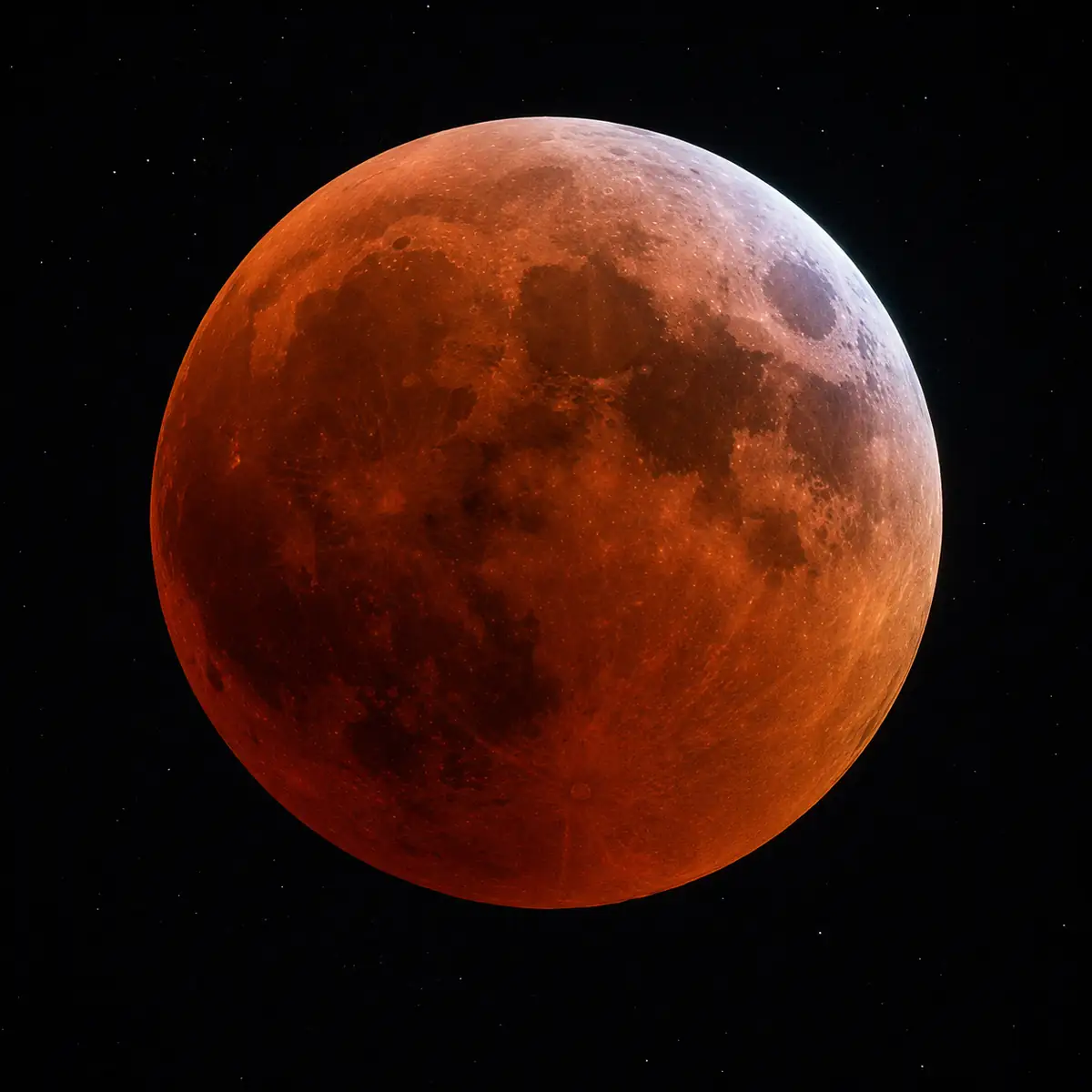
Despite the name, the Pink Moon does not actually appear pink. In most places, it will look like any other full moon—bright white, silver, or slightly golden, especially when it first rises. Sometimes dust, haze, or pollution in the atmosphere can give it a warmer tint, but a truly pink moon is extremely unusual.
The name comes from the natural world rather than the moon’s color. It is linked to Phlox subulata, a pink wildflower that blooms in early spring across parts of North America. The tradition of naming full moons dates back to Indigenous communities and early colonial calendars, which used the moon to track changes in the seasons.
That seasonal link is part of what makes the April full moon feel special. It arrives at a moment when winter has faded, spring has settled in, and evenings begin to feel more inviting again.
What Makes This Full Moon Feel Special
The Pink Moon stands out less because of rarity and more because of timing. It arrives during one of the most noticeable seasonal transitions of the year, with longer evenings, milder air, and a sense that the outdoors is becoming livelier again. For many people, it feels like the first full moon of the year that is truly enjoyable to watch outside.
It also has a strong cultural pull. Named full moons often trend online, and the Pink Moon is one of the most searched every year because the name is memorable and the viewing window is easy for people to join. It becomes one of those shared moments where millions of people, in different cities and countries, step outside and look up at the same sky.
Even though it is not a supermoon and not considered a rare astronomical event, its visibility and seasonal symbolism make it one of the most accessible and appreciated sky events of the year.
Understanding the Lunar Cycle
The full moon is only one part of the Moon’s 29.5-day cycle around Earth. During the full moon phase, the side of the Moon facing Earth is fully illuminated by the Sun, which is why it appears as a bright, complete circle in the night sky.
This cycle includes eight familiar phases: new moon, waxing crescent, first quarter, waxing gibbous, full moon, waning gibbous, third quarter, and waning crescent. Each stage changes how much of the Moon is visible from Earth.
That repeating pattern is why a full moon appears roughly once every month, with each one carrying a traditional seasonal name that connects it to nature and time of year.
When the Next Full Moon Arrives
If you miss tonight’s Pink Moon, the next full moon is not far away. It is expected on May 1 in North America, with some regions seeing it on May 2 depending on time zone differences.
Still, this one has its own charm. Arriving right at the start of April, it carries that unmistakable early-spring feeling with it. You do not need special equipment, detailed planning, or expert knowledge to enjoy it—just a moment to step outside and look up.
It may not actually turn pink, but it still offers the kind of quiet spectacle that makes people pause for a few minutes and appreciate the night sky.
By Swikblog

Make Swikblog your go-to source on Google for reliable updates, smart insights, and daily trends.