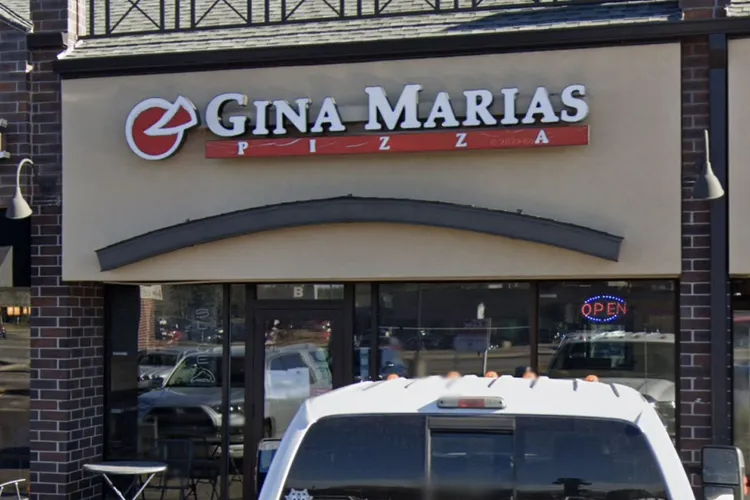

Gina Maria’s Pizza, a Minnesota-based chain founded in 1975, has filed for Chapter 7 bankruptcy after abruptly shutting all four of its locations in October 2025, bringing an end to a 50-year run as a local favorite across the Twin Cities.
The company behind the brand, Northern Brands Inc., reported approximately $2.9 million in liabilities against just $64,000 in assets, according to court filings in late March. The scale of the imbalance highlights how deeply the business had slipped into insolvency well before its sudden closure.
The shutdown, which affected stores in Chanhassen, Eden Prairie, Edina and Plymouth, came without prior notice to employees or customers. A brief message posted on the company’s website at the time confirmed it had “officially closed its doors,” offering little explanation beyond acknowledging the difficulty of the decision.
That lack of warning has since become part of the story, raising questions about how long the company had been struggling behind the scenes. With an average debt load approaching $750,000 per location, the figures suggest sustained financial pressure rather than a short-term disruption.
Under Chapter 7 bankruptcy rules, businesses do not restructure but instead liquidate. A court-appointed trustee will now oversee the sale of any remaining assets to repay creditors, a process that typically results in only partial recovery. As outlined by the US federal courts, such proceedings mark the final stage of a company that is no longer viable.
Mounting pressures behind a quiet collapse
Like many regional restaurant chains, Gina Maria’s operated in an environment that has grown increasingly difficult over the past decade. Rising ingredient costs, higher wages and intensifying competition from national and fast-casual brands have squeezed margins across the industry. For smaller chains with multiple locations, even modest declines in foot traffic or cost control can quickly compound.
The abrupt nature of the closure suggests those pressures had reached a tipping point. When businesses close overnight, it often reflects immediate cash flow constraints rather than a planned wind-down. Vendors, leases and payroll obligations can become unsustainable almost simultaneously, leaving few alternatives.
For longtime customers, the disappearance of Gina Maria’s has been felt beyond the numbers. The chain had built a reputation over decades for its consistent menu and neighborhood presence, becoming part of the routine for families across suburban Minneapolis communities.
A legacy revived under a new name
Despite the bankruptcy, elements of the brand have survived. Within weeks of the October shutdown, former manager Ulises Godinez reopened the Eden Prairie location under a new name, Pizzas Gina, with permission to use Gina Maria’s original recipes.
Godinez, who reportedly managed two of the former locations, now runs the restaurant with his family, offering a menu that includes thin-crust, New York-style and deep-dish pizzas. The move has provided a degree of continuity for customers while separating the new business from the financial liabilities that sank the original chain.
There are also indications of family ties within the former ownership structure. Ulises Godinez is believed to be related to individuals listed in company records, including those associated with leadership roles at Northern Brands, though the exact nature of those relationships has not been fully detailed publicly.
The contrast between Gina Maria’s collapse and the reopening of a single location under a new identity reflects a broader pattern in the restaurant industry. While corporate structures may fail under financial strain, the underlying product — and customer demand — can still find ways to continue on a smaller, more sustainable scale.
For creditors, however, the outcome is likely far less positive. With limited assets remaining, recoveries are expected to be minimal. And for the broader market, the case adds to a growing list of long-established regional brands that have struggled to adapt to shifting economics in the food service sector.
You may like: Lady Gaga cancels Montreal show over respiratory infection.

Make Swikblog your go-to source on Google for reliable updates, smart insights, and daily trends.