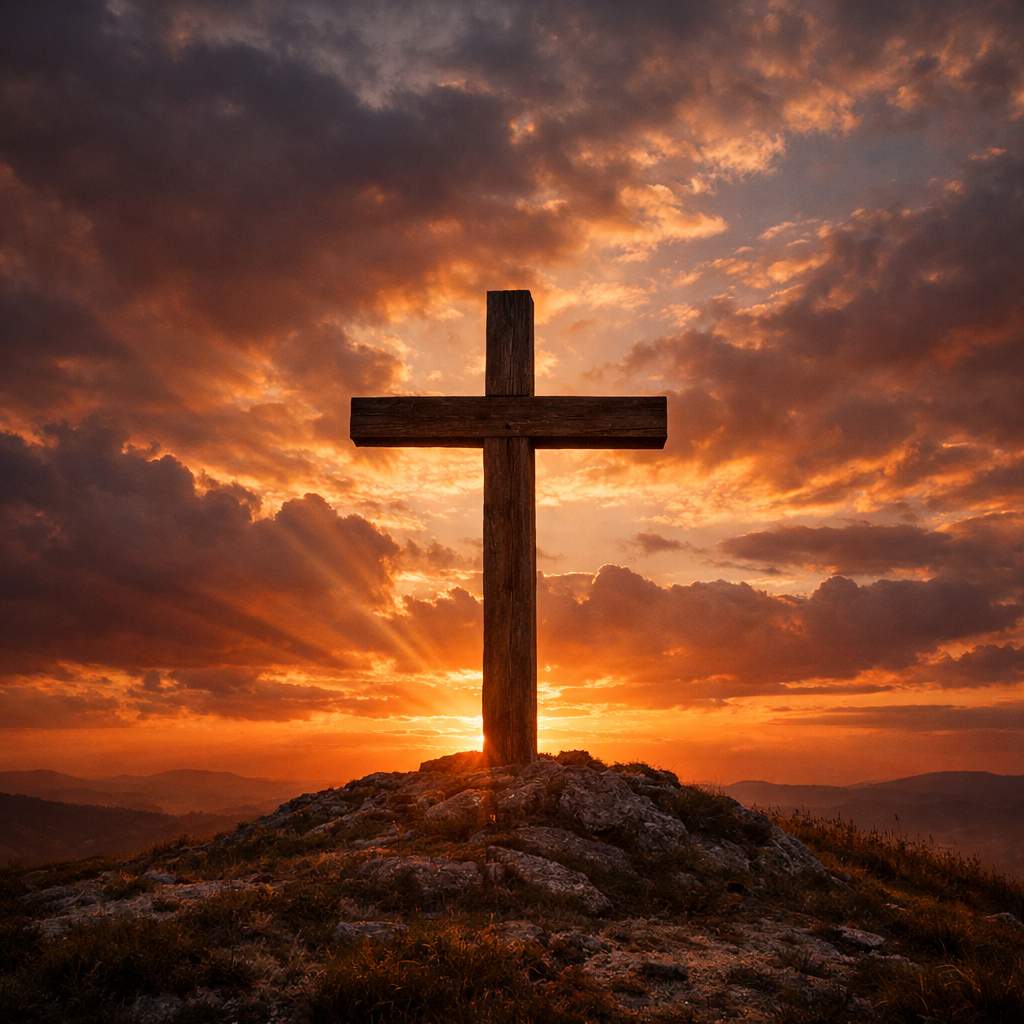

Good Friday will be observed on April 3, 2026, marking one of the most solemn and spiritually significant days in the Christian calendar. Falling during Holy Week, the day commemorates the crucifixion of Jesus Christ — an event that holds deep meaning for millions of believers around the world.
Across churches and homes, Good Friday is not celebrated in the traditional sense. Instead, it is observed with silence, prayer, fasting and reflection. The tone is somber, yet deeply meaningful, as Christians remember what they believe to be the ultimate act of sacrifice and love.
In India too, the day is widely observed, especially in regions like Goa, Kochi, Mumbai, Delhi and parts of the Northeast. Many states declare it a public holiday, and churches hold extended prayer services that can last for several hours.
Good Friday 2026 date, Holy Week timeline and significance
Good Friday always falls on the Friday before Easter Sunday. In 2026, it will be observed on April 3, just two days before Easter on April 5. It comes immediately after Maundy Thursday (April 2), which marks the Last Supper and also signals the end of Lent — the 40-day period of fasting and penance observed by many Christians.
The full Holy Week timeline for 2026 is as follows:
Palm Sunday — March 29: Marks Jesus’ entry into Jerusalem.
Maundy Thursday — April 2: Commemorates the Last Supper and the end of Lent.
Good Friday — April 3: Observes the crucifixion of Jesus Christ.
Holy Saturday — April 4: Marks the period of mourning before resurrection.
Easter Sunday — April 5: Celebrates the resurrection of Jesus.
According to Christian belief, Jesus was arrested, tried and sentenced to death by crucifixion under Roman governor Pontius Pilate. His death is seen as an act of redemption, undertaken for the forgiveness of humanity’s sins. Despite its sorrowful nature, the day is called “Good” Friday because it represents hope, salvation and the promise of new life.
A brief overview from Britannica explains that Good Friday remains one of the most sacred observances in Christianity, centered on the suffering and sacrifice of Jesus on the cross.
7 key traditions and rituals observed on Good Friday
1. Prayer and long church services: Churches across the world hold special services, often lasting several hours. These services include readings from the Bible, sermons and moments of silent reflection focused on the crucifixion.
2. Fasting and abstinence: Many believers observe fasting as a mark of penance. Some abstain completely from food for certain hours, while others avoid meat and consume simple meals.
3. Stations of the Cross: This is one of the most important Good Friday rituals. Devotees symbolically retrace the final journey of Jesus to his crucifixion through a series of stations representing key moments of his suffering.
4. Silence and stripped church altars: Churches adopt a stark and minimal appearance. Altars are stripped of decorations, flowers are removed and bells remain silent. This reflects mourning and reverence.
5. Hymns and scripture readings: Music and readings on Good Friday focus on themes of sacrifice, forgiveness and compassion. The tone is subdued, often replacing celebratory hymns with solemn chants.
6. Reenactments of the crucifixion: In several parts of the world, including parts of India and the Philippines, dramatic reenactments of the crucifixion are organised. These events draw large gatherings and offer a powerful visual representation of the day’s significance.
7. Quiet reflection at home: Many families observe Good Friday in silence. Entertainment is limited, and time is spent in prayer, reading scripture or reflecting on the meaning of sacrifice and faith.
In many Christian households, the day carries a deeply personal meaning. Some choose to fast quietly, others attend multiple services, while many simply sit in silence. The emphasis is not on outward celebration but inward reflection.
The atmosphere of Good Friday stands in sharp contrast to Easter Sunday, which follows just two days later. While Easter is marked by joy, celebration and renewal, Good Friday remains a day of grief and contemplation — a necessary pause before the hope of resurrection.
For believers, the significance of Good Friday lies not only in remembering the crucifixion but also in understanding its message. It is about sacrifice, forgiveness and compassion — values that continue to resonate across generations.
As April 3, 2026 approaches, churches will once again fall silent, bells will stop ringing and millions will bow their heads in prayer. In that silence, Good Friday continues to hold its timeless meaning — a day of sorrow that carries within it the promise of hope.

Make Swikblog your go-to source on Google for reliable updates, smart insights, and daily trends.