
Grupo Antolin’s proposed €1.25 billion debt restructuring now has support from institutions representing more than 80% of its bank creditors. The European Investment Bank and Spain’s Official Credit Institute have joined Santander, BBVA, CaixaBank, Banco Sabadell, Bankinter and HSBC in backing the refinancing.
The update follows Chapter 15 petitions filed in New York on July 20, 2026. The Spanish automotive-interiors supplier has not announced a liquidation, companywide layoffs or a programme of factory closures.
Why did Grupo Antolin file Chapter 15?
Grupo Antolin submitted its restructuring plan to the Commercial Court in Burgos, Spain, on July 10. The court accepted the application for processing on July 17, but final judicial approval is still required.
Chapter 15 allows a US bankruptcy court to recognize and assist a restructuring taking place in another country. It can protect participating companies’ American assets and limit separate creditor action while the Spanish case continues.
This differs from the iRobot Chapter 11 restructuring, where the principal reorganization is being handled under US bankruptcy law. Grupo Antolin’s main proceeding remains in Spain.
What caused the company’s debt problems?
Grupo Antolin has faced weaker vehicle demand, pandemic disruption, component shortages and rising energy and raw-material costs. Geopolitical uncertainty and tariffs affecting European vehicles and parts added further pressure.
The immediate challenge is a series of debt maturities in 2027 and 2028, including €380 million of notes due in 2028. The company recorded €3.73 billion in 2025 revenue, an 11% decline, and an €81 million net loss.
Its purchase of Magna Interiors for nearly €500 million about a decade ago also contributed to its debt burden. Antolin has since raised approximately €300 million by selling non-core assets.
How would the restructuring work?
The plan includes a long-term working-capital facility of up to €220 million to support production and everyday expenses. Under one option, participating creditors could retain their principal while extending repayment to December 31, 2035, at 6.97% annual interest.
Eligible holders of notes due in 2028 and 2030 could instead exchange their claims for new notes worth 67.5% of the original principal. Those securities would mature in 2030 and initially carry 8.28% interest.
The Antolin family would retain ownership and management. The company’s official refinancing statement says the transaction is intended to extend debt maturities without disrupting ordinary operations.
Why are some bondholders opposing the plan?
A bondholder group led by Benefit Street Partners has reportedly taken legal action in London. The claim argues that banks receive more favourable treatment than bond investors and questions the founding family retaining control without an additional capital contribution.
These remain allegations from opposing creditors, not final judicial findings. The dispute creates a risk of delays or changes to the proposal despite its strong backing from bank lenders.
Are factories closing or jobs being cut?
No group-wide closures or layoffs were announced with the court filings. Antolin says its plants, customer deliveries and workforce will continue operating during the process.
The company employs about 20,000 people across 111 plants and just-in-time delivery centres in 23 countries. Its US operation includes 10 production plants, one technical-commercial office and approximately 2,100 employees.
Continued trading during restructuring does not guarantee that individual facilities will remain unchanged. A comparable operating-versus-liquidation distinction appeared when QVC addressed its multibillion-dollar debt while continuing business, although the companies are using different legal processes.
Could automakers face parts shortages?
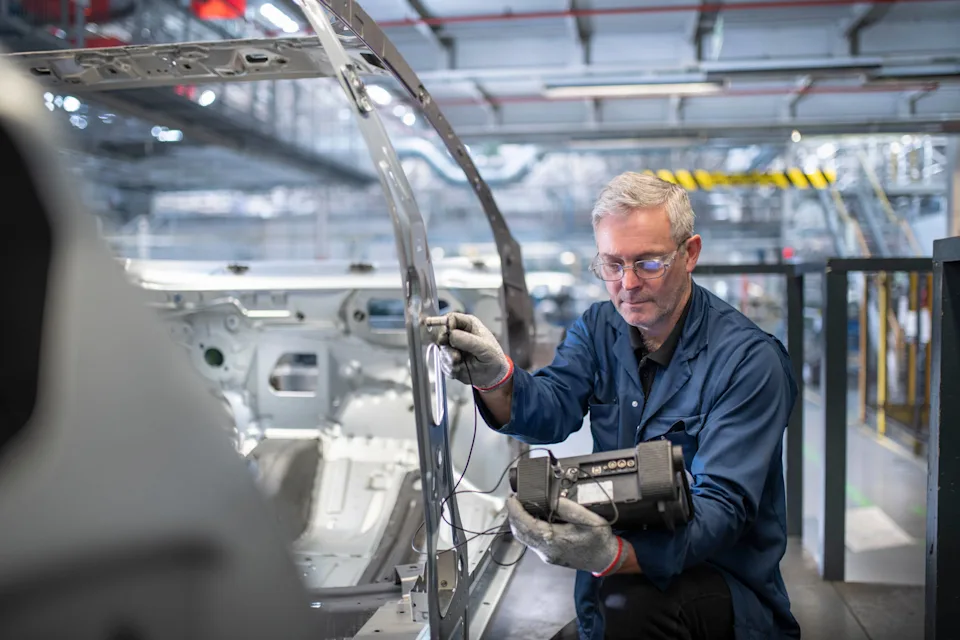
Antolin supplies doors, roof systems, instrument panels, consoles, lighting and electronic interfaces to Ford, General Motors, Stellantis, Volkswagen, Hyundai and Renault-Nissan, among other manufacturers.
No customer has announced a production stoppage linked to the filings. The new working-capital facility is intended to keep materials moving and orders fulfilled, reducing the immediate risk to vehicle assembly lines.
What happens next?
The New York court must decide whether to recognize the Spanish proceeding. The Burgos court will separately consider approval of the restructuring, with a decision previously expected in late September or October 2026.
Employees and suppliers should rely on confirmed company or court notices rather than assume every group entity is treated identically. Suppliers with unpaid invoices should identify the Antolin company named in their contract and obtain professional advice about whether their claim is included in the plan.

Make Swikblog your go-to source on Google for reliable updates, smart insights, and daily trends.