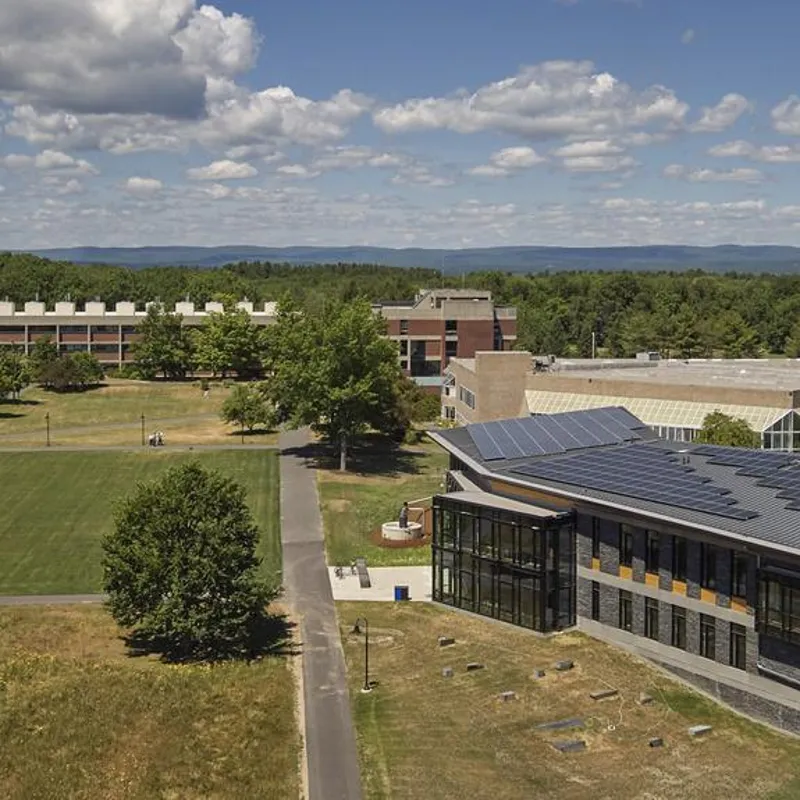

Hampshire College will permanently close after the fall 2026 semester, bringing an end to more than six decades of experimental liberal arts education in Amherst, Massachusetts. The decision, confirmed by the college’s board of trustees, comes after years of financial strain, declining enrollment and unsuccessful attempts to secure a sustainable future.
The closure is gaining national attention as it highlights a widening crisis among small US colleges. Despite raising over $55 million through its “Change in the Making” campaign and exploring options such as debt refinancing and land development, Hampshire was unable to find a viable long-term path.
For current students, the announcement triggers immediate questions about academic continuity. The college has said it will continue to provide academic programs, housing and student support services through the end of the fall 2026 semester. Students in their final year, known as Division III, will be able to complete their degrees on campus before closure.
Those earlier in their studies — Division I and II students — will receive personalised advising and access to transfer pathways. Partner institutions include Amherst College, Bennington College, Mount Holyoke College, Smith College and the University of Massachusetts Amherst, among others. These arrangements are designed to help students complete their degrees with minimal disruption.
What led to the closure
The financial challenges facing Hampshire College have been building for years. Since 2019, the institution has struggled with falling enrollment numbers, rising operational costs and an increasingly unstable funding environment that has affected many small liberal arts colleges across the United States.
Efforts to reverse the trend included aggressive fundraising, strategic planning and exploring new revenue sources. However, these measures failed to offset long-standing debt and structural financial pressures. The board ultimately concluded that closure was the only responsible option.
The decision also reflects a broader shift in higher education. Smaller institutions without large endowments are facing growing competition, demographic changes and increased scrutiny over tuition value. Hampshire’s situation illustrates how even well-known, academically distinct colleges are not immune to these pressures.
What happens next for students and staff
Hampshire College is now working with the Massachusetts Department of Higher Education and the New England Commission of Higher Education to implement a formal teach-out plan. This includes structured pathways for students to either complete their education at Hampshire or transition to partner institutions.
All deposits from students admitted for fall 2026 will be refunded, as the college will not enroll a new class. Two commencement ceremonies are planned — one in May for current graduates and another for those completing their degrees in the fall semester.
Faculty and staff will also be affected, with the college committing to provide resources and support during the transition. College leadership has acknowledged the emotional and professional toll, describing the closure as a deeply difficult moment for the community.
“Nearly every trustee is an alum, and we share in the community’s heartbreak,” board chair Jose Fuentes said, pointing to declining enrollment, debt and stalled development efforts as key reasons behind the decision.
The closure of Hampshire College is not just the end of a single institution. It underscores a structural challenge facing higher education in the US, where financial sustainability is becoming as critical as academic identity. For students and families, the situation reinforces the importance of evaluating not only academic fit, but also institutional stability when making long-term education decisions.
More details on the development can be found in the latest report here, as the transition process unfolds in the coming months.
You may also like: Bloom Energy Stock (BE) Surges on Oracle AI Deal.

Make Swikblog your go-to source on Google for reliable updates, smart insights, and daily trends.