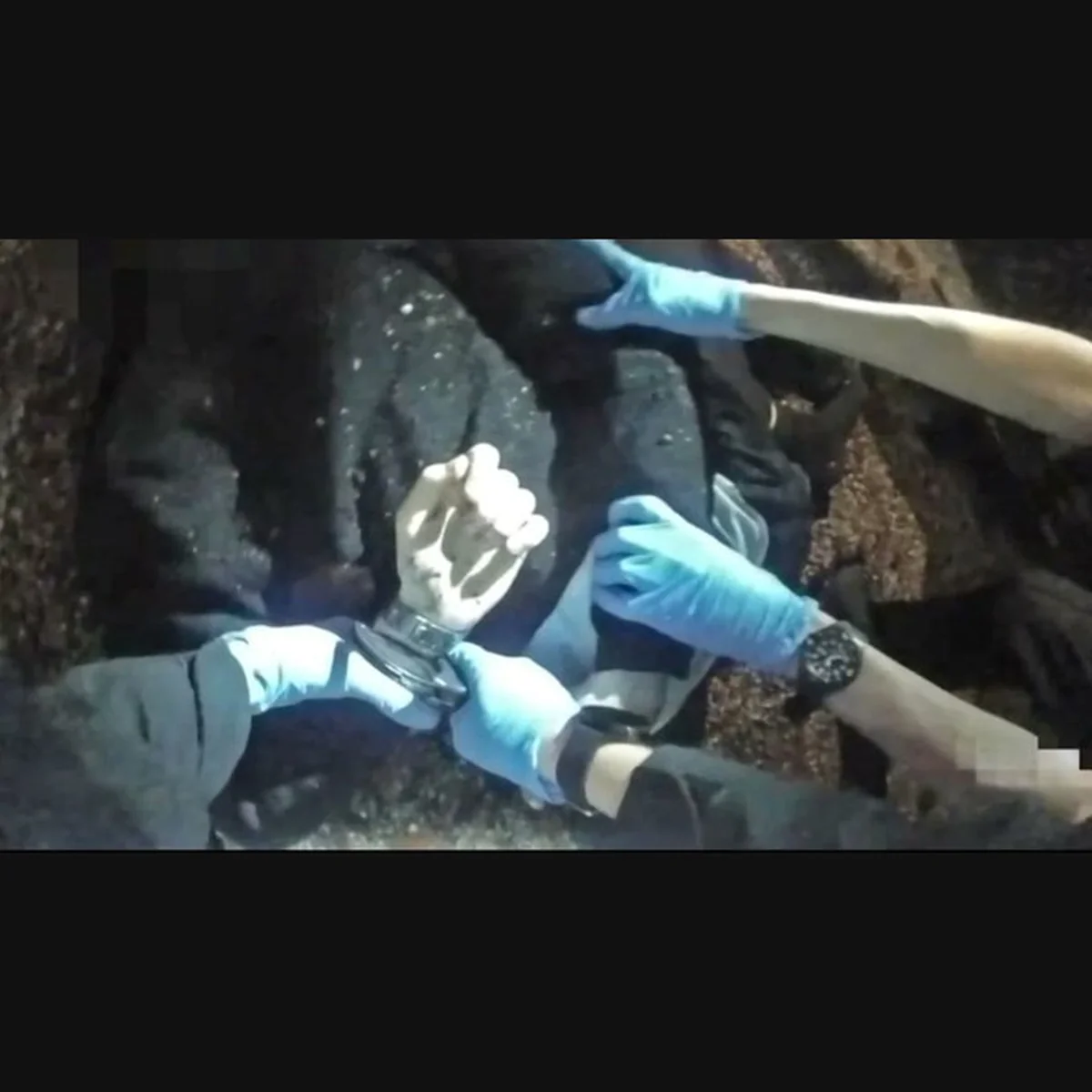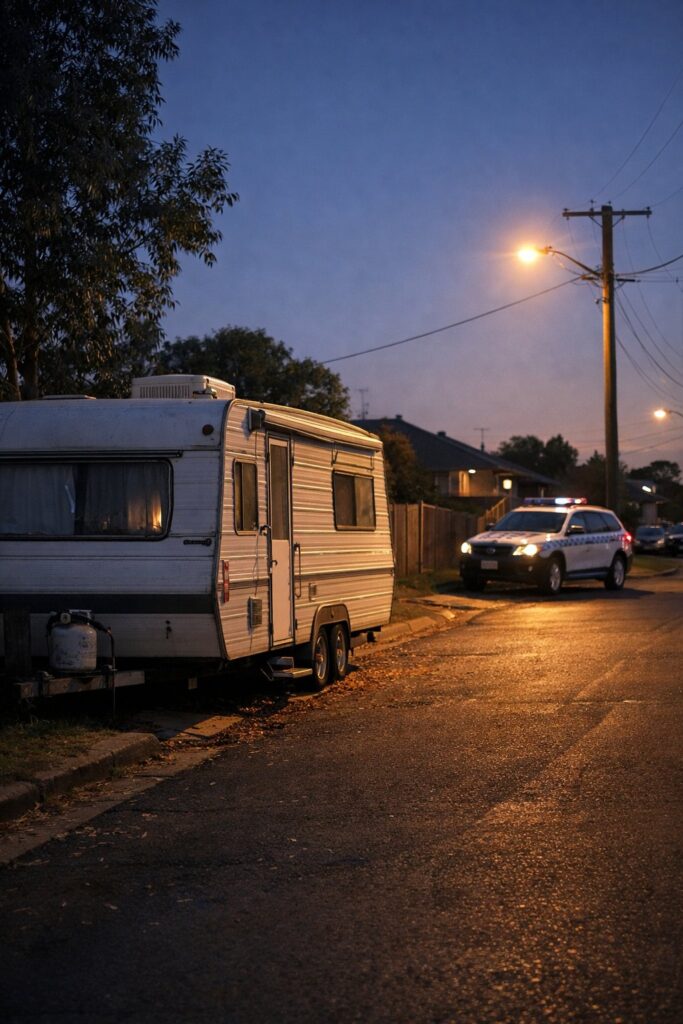

Australia’s deepening housing crisis is reshaping daily life in unexpected ways, with police now issuing warnings as more people are forced to live in caravans, campervans and vehicles. What was once associated with holidays or retirement travel is increasingly becoming a last-resort housing option for families, pensioners and low-income workers squeezed out of the rental market.
Across cities and regional centres, parked caravans are appearing in suburban streets, industrial estates and roadside rest areas. Police say the trend reflects mounting housing stress but also raises serious safety concerns — for those living in vehicles and for the wider community.
Officers have warned that roadside and street-based caravan living can expose people to traffic dangers, theft, extreme weather and health risks, particularly when vehicles are parked overnight in unsuitable locations. In some areas, authorities say they are responding to an increase in calls linked to illegally parked caravans, fire risks and welfare concerns.
A visible sign of housing stress
Housing advocates say the rise in caravan living is a visible symptom of a rental system under strain. Rents have risen sharply in many parts of Australia, vacancy rates remain tight, and competition for affordable homes has intensified. For households already struggling with cost-of-living pressures, a sudden rent increase or lease termination can quickly push them into crisis.
Older Australians on fixed incomes, single parents and workers in casual or seasonal jobs are among those most affected. Many say they turn to caravans because it offers a degree of privacy and stability compared with couch surfing or emergency accommodation — even if it comes with ongoing uncertainty.
Official data continues to show sustained pressure in housing and rental costs, with inflation and housing indicators published by the Australian Bureau of Statistics highlighting the challenges facing renters. Experts warn that without a significant increase in affordable housing supply, vehicle-based living is likely to become more common.
Why police are raising concerns
Police stress that their warnings are not aimed at criminalising homelessness, but at reducing risk. Caravans parked on busy roads or near intersections can obstruct visibility and increase the likelihood of accidents. Poorly ventilated vehicles can become dangerously hot or cold, while makeshift electrical setups raise the risk of fires.
There is also a legal grey area. Parking rules and overnight stay regulations vary widely between councils, leaving many people unsure of where they are allowed to stay. A caravan parked legally in one suburb may attract fines or enforcement action just streets away, creating constant anxiety for residents trying to avoid trouble.
Consumer safety agencies have also highlighted the importance of roadworthiness, secure fittings and safe towing practices, especially when caravans are being used as long-term accommodation rather than for short trips. Guidance from the Australian Competition and Consumer Commission notes that poorly maintained vehicles can pose serious safety risks.
Living with uncertainty
For those living in caravans, daily life often involves juggling basic needs. Access to bathrooms, clean water and power can be limited. Maintaining regular work hours or children’s schooling becomes harder without a fixed address. Many residents report constant stress about being moved on, fined or targeted by thieves.
Community organisations say the emotional toll can be just as significant as the practical challenges. The lack of housing security can worsen mental health, increase isolation and make it harder for people to plan for the future.
A growing national issue
Housing experts argue that police warnings underline how the housing crisis is no longer confined to private hardship — it is increasingly affecting public safety, infrastructure and local communities. While short-term measures such as designated parking areas and support services can help, advocates say long-term solutions must focus on expanding affordable rentals and social housing.
As Australia heads into another year of housing pressure, the rise in caravan living stands as a stark reminder of the human impact behind the statistics. For many, living on wheels is not a lifestyle choice, but the only option left.
You may also like: How cost-of-living pressures are reshaping everyday life

Make Swikblog your go-to source on Google for reliable updates, smart insights, and daily trends.