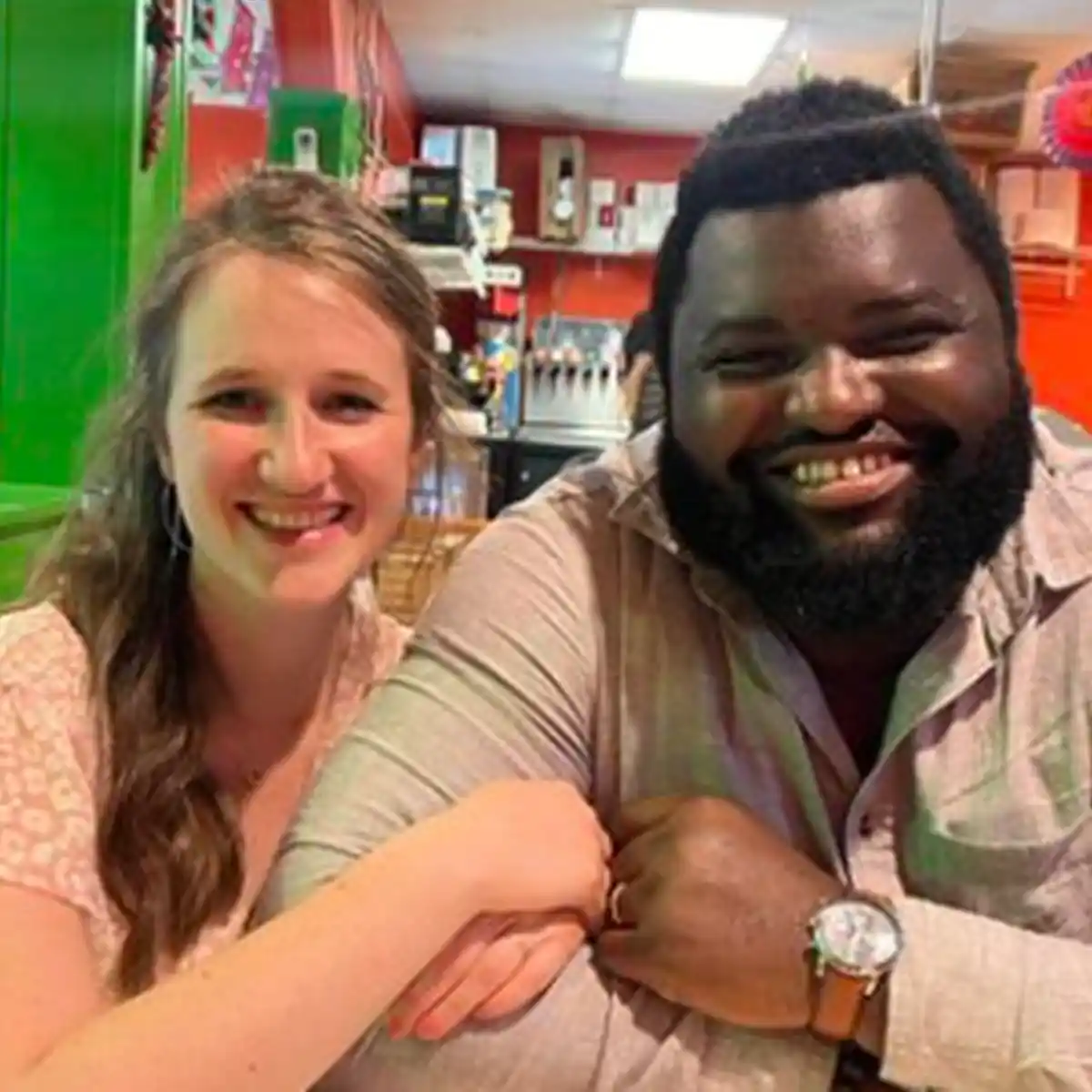
Federal authorities are investigating the fatal shooting of Renee Nicole Good, 37, who was shot during an immigration enforcement operation in Minneapolis on January 7, 2026. The Minnesota Star Tribune has identified the ICE agent involved as Jonathan Ross.
Published: Jan. 9, 2026
What’s confirmed
- Renee Nicole Good, a Minneapolis resident and mother, died after being shot during an ICE operation in the city on Jan. 7.
- The ICE agent involved has been identified as Jonathan Ross by the Minnesota Star Tribune based on reporting and records.
- The FBI is leading the investigation, and Minnesota state investigators have said they were not permitted to continue a joint probe, turning the case into a high-profile jurisdictional dispute.
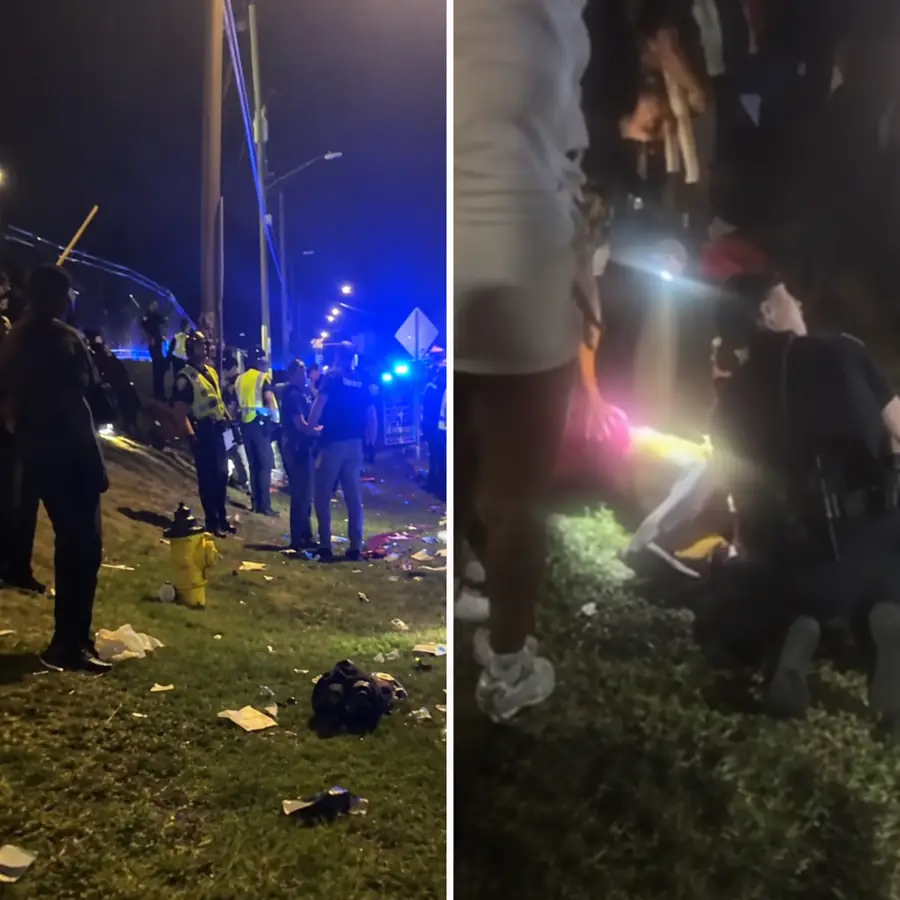
- Multiple videos of the encounter circulated online, fueling public scrutiny over the circumstances of the shooting and the use of force.
The identification of the agent and details of the investigation have been widely reported, including by the Minnesota Star Tribune and the Associated Press.
What officials are saying (and what’s disputed)
Federal officials have described the shooting as self-defense, with statements asserting the agent believed he faced imminent danger involving a vehicle during the encounter. Local and state leaders, along with community members, have challenged aspects of the federal narrative, pointing to publicly available video and calling for transparency and independent accountability.
Because the investigation is ongoing, key questions remain unresolved — including the exact sequence of commands given to Good, distances involved, whether non-lethal options were viable, and how investigators interpret the videos alongside witness accounts and forensic evidence.
Why the FBI is central to the case
When a federal agent is involved in a fatal shooting, investigations can include federal review (often involving the FBI and the U.S. attorney’s office), potential civil-rights assessment, and internal agency processes. Minnesota authorities have publicly said they were blocked from participating in a joint investigation — a major point of controversy that has intensified calls for clarity on who controls evidence, interviews, and decision-making.
What happens next
- Evidence review: investigators will evaluate video, witness statements, ballistics, autopsy findings, and any body-worn or agency footage (if available).
- Charging decision: prosecutors determine whether criminal charges are warranted based on evidence and legal standards for use of force.
- Possible civil action: families sometimes pursue civil claims regardless of whether criminal charges are filed.
- Public updates: officials may release additional findings, but timelines vary widely — especially in high-scrutiny cases.
For now, authorities have not announced any indictment or charges publicly. The investigation — and public pressure for transparency — is expected to continue in the days ahead.

Make Swikblog your go-to source on Google for reliable updates, smart insights, and daily trends.