October 28, 2025, marks one of the most important European independence celebrations — Independent Czechoslovak State Day. This historic day commemorates the moment in 1918 when Czechoslovakia emerged as an independent nation at the end of World War I, breaking away from the Austro-Hungarian Empire to establish its own democratic identity.
But in 2025, this day is no longer just a national holiday for the Czech Republic — it has become an international symbol of freedom, self-determination, and cultural pride. Tourists from across Europe, North America, and Asia now travel to Prague and other historic cities to witness ceremonies, military parades, and cultural festivals that celebrate not only a nation’s past, but its modern achievements in democracy, tourism, economy, and innovation.
🎯 Why This Day Matters Globally
- It marks the formation of one of Europe’s first successful modern democracies.
- It is a symbol of peaceful transformation, influencing independence movements across Europe.
- It highlights Czech contributions to art, architecture, literature, music, and technology.
- In recent years, it has become a major tourism event, driving thousands of visitors and boosting the Czech Republic’s global brand as the heart of Central Europe.
🌍 A Celebration Beyond Borders
Independent Czechoslovak State Day is recognized by historians, political analysts, and cultural communities around the world. Embassies and Czech cultural centers host global events showcasing traditional music, national costumes, and films that depict the resilience of the Czech and Slovak people.
In 2025, the celebrations have an extra layer of significance — the Czech Republic is positioning itself as a top European travel destination for 2025–2030, thanks to its booming tourism economy, UNESCO heritage sites, and rising global interest in cultural tourism.
✨ The Spirit of Freedom That Still Inspires Nations Today
Unlike other European independence celebrations that focus only on heritage, 28 October has a modern resonance. It represents:
- National sovereignty in times of political shifts
- The preservation of cultural identity in a globalized world
- A reminder that democracy must be continually protected
This isn’t just a holiday about the past — it’s a celebration of a nation that reinvented itself and continues to inspire others in 2025.
THE BIRTH OF A NATION: HOW CZECHOSLOVAKIA EMERGED ON 28 OCTOBER 1918
To understand why Independent Czechoslovak State Day continues to be a globally recognized event in 2025, we must go back to the end of World War I, when the world was redrawing its borders and redefining the concept of national identity.
🕰 The Historical Turning Point
On October 28, 1918, while Europe was still reeling from the devastation of war, a powerful declaration echoed through Prague:
Czechoslovakia was now an independent nation — free from the Austro-Hungarian Empire after nearly 400 years of foreign control.
This moment was not just a political move; it was the beginning of a modern European democracy.
✨ Key Architects of Independence
| Leader | Contribution | Global Relevance |
|---|---|---|
| Tomáš Garrigue Masaryk | Known as the “Father of the Nation,” he became the first President of Czechoslovakia. A philosopher-statesman, he promoted democracy, human rights, and peace. | His leadership is studied in international political science as a model for democratic transitions. |
| Edvard Beneš | Diplomat and co-founder, played a key role in international negotiations in Paris and Washington. | Helped secure global recognition of Czechoslovakia on the world stage. |
| Milan Rastislav Štefánik | Slovak hero and astronomer who mobilized support from France and the U.S. | Represents the unity between Czech and Slovak people, making this day vital for both nations. |
🌍 Why This Day Changed Europe
- It reshaped European borders and inspired other nations to seek sovereignty.
- Czechoslovakia became a stable democratic power in Central Europe.
- It set a precedent for ethnic self-determination after imperial collapse.
- The new nation became a hub for culture, architecture, and economic development, attracting global admiration.
By 1920, Czechoslovakia was one of the top 10 most industrialized countries in the world, showcasing how newly independent states could thrive rapidly.
🎨 Cultural Renaissance After Independence
Following independence:
- Prague became known as the “Cultural Capital of Europe.”
- Legendary writers like Franz Kafka and artists like Alphonse Mucha brought Czech identity into global spotlight.
- Czech films, theatre, and music started attracting global audiences — leading to modern tourism interest in 2025.
🕊️ Modern-Day Inspiration
Today, Independent Czechoslovak State Day is seen globally as:
- A symbol of peaceful independence (no violent uprising).
- A model for democratic state formation.
- A source of pride for modern Czech Republic and Slovakia, even though they peacefully separated in 1993.
This is why international organizations, historians, and travelers continue to honor October 28 as one of Europe’s most meaningful independence days.
MODERN CELEBRATIONS, TOURISM BOOM & GLOBAL ATTRACTION
Independent Czechoslovak State Day is no longer just a historical tribute—it has become a global tourism magnet and a celebration of European freedom, heritage, culture, and identity.
Every year on 28 October, Prague transforms into a vibrant hub of parades, ceremonies, traditional festivals, and global media coverage. In 2025, the celebrations are expected to draw one of the highest international visitor numbers in recent years due to increased global interest in cultural tourism.
🇨🇿 How the Czech Republic Celebrates on 28 October
1. Official State Ceremonies
- The President of the Czech Republic awards state honors at Prague Castle.
- Military guards perform ceremonial parades.
- The flags of Czech Republic and Slovakia are displayed in unity.
- Wreaths are laid at National Monument at Vítkov Hill to honor independence leaders and war heroes.
2. Cultural Parades and Folklore Events
- Traditional Czech costumes, folk dances, and national songs fill public squares.
- Tourist hotspots like Old Town Square, Charles Bridge, and Wenceslas Square host themed performances.
- Museums and national galleries offer free entry or special exhibitions related to independence history.
3. Illuminated Landmarks
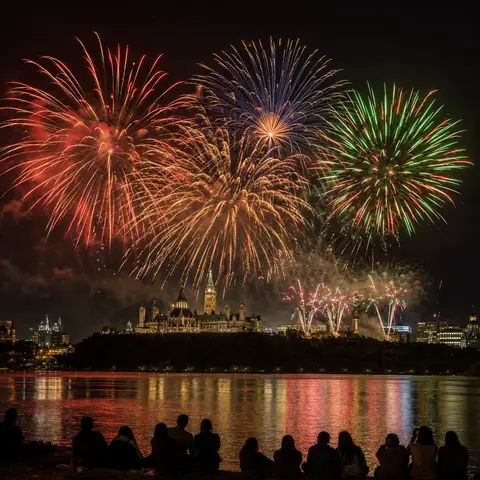
Prague Castle, National Museum, and historic bridges are lit in red, blue, and white — the colors of the national flag — creating stunning visuals that go viral on social media platforms like Instagram and TikTok.
In 2024, hashtags related to Czech Independence Day received over 250 million views globally on TikTok.
✈ Tourism & Travel: Why Global Visitors Love This Holiday
Travelers from Europe, the USA, Japan, and India increasingly visit Prague during late October to experience history blended with modern European culture.
Top Tourist Attractions During the Celebration
| Attraction | Why It’s Popular |
|---|---|
| Prague Castle | Heart of the celebrations, location of presidential speech |
| Old Town Square | Parade hub and cultural performances |
| Vyšehrad Fortress | Historical birthplace of Czech legends |
| National Monument at Vítkov | Panoramic city view + independence history |
| Charles Bridge (lit at night) | Photographic hotspot |
🌍 Economic & Cultural Tourism Impact
- Tourism contributes over 10% of Czech Republic’s GDP.
- October has become one of the peak travel months due to independence celebrations and autumn festivals.
- Czech Republic ranks among the Top 10 safest and affordable European travel destinations for 2025.
🌐 International Recognition & Global Influence
- Czech embassies host cultural events worldwide (London, Washington, Tokyo, Delhi).
- UNESCO and EU cultural bodies recognize October 28 as a major historic turning point in modern Europe.
- Global leaders, influencers, and historians share tributes online, driving international awareness.
This celebration is not just a look at the past—it is a showcase of the Czech Republic’s modern strength in tourism, culture, economics, and European unity.
GLOBAL ECONOMIC IMPACT, LEGACY & FUTURE OUTLOOK
Independent Czechoslovak State Day is more than a commemoration—it is a strategic pillar of national identity, tourism growth, international diplomacy, and cultural economics. In 2025, it signals the Czech Republic’s rising influence on the global stage.
🌍 The Global Legacy of Czechoslovakia in 2025
1. A Historical Role Model for Peaceful Nation-Building
Czechoslovakia’s formation inspired many post-colonial nations and democracies.
Its legacy is studied for:
- Non-violent separation into two nations (Czech Republic & Slovakia in 1993)
- Political diplomacy over warfare
- Strong democratic values and human rights policies
2. Influence on Modern European Politics
- Czech Republic is an active member of the European Union, NATO, and the UN.
- It plays a key role in Central European diplomacy and energy security discussions.
- The nation is emerging as a strategic hub for technology, manufacturing, and culture, attracting foreign investors and global partnerships.
💹 Economic Significance in 2025
| Sector | Contribution to Economy | 2025 Outlook |
|---|---|---|
| Tourism | 10% of GDP | Expected to grow due to cultural tourism and festival-based travel |
| Technology & Startups | Booming industry | Prague is now a top European tech hub |
| Manufacturing & Automotive | Strong export economy | Partnerships with EU and Asia continue to expand |
| Film & Culture | Prague known as “Hollywood of Europe” | Increasing foreign film production & animation industry growth |
📈 2025 Forecast:
- The Czech Republic is projected to receive over 30 million tourists annually by 2026, with October being a peak month due to Independence Day celebrations.
- The global media coverage during this period enhances international visibility and foreign investments.
🎭 Cultural Diplomacy & Soft Power
Independent Czechoslovak State Day is also celebrated via:
- Film festivals featuring Czech cinema for international audiences.
- Cultural exchange programs hosted globally.
- Czech orchestras and ballet tours, promoting national identity abroad.
This day is not just about a nation’s past—it is a strategic soft power tool projecting the Czech Republic’s influence in global culture, politics, and economics.
🔮 The Future: Why This Day Will Remain Globally Significant
Looking forward to 2030, this day will continue to matter because it aligns with:
- The rise of heritage-based tourism
- Global awareness of democratic evolution
- Shifting geopolitical landscapes in Europe
- Cultural preservation movements in UNESCO
✨ Future Travel Trends:
- AI & Virtual Reality tours of Czech historical sites (already being tested in 2025)
- Inclusion in top global travel events calendars (Lonely Planet, National Geographic)
- Increased interest in Europe’s freedom festivals due to global political awareness
🌟 Conclusion: A Celebration That Unites History, Culture & The World
Independent Czechoslovak State Day is not just a remembrance of the past—it’s a celebration of the values that still shape the world today: freedom, unity, cultural identity, and resilience. On 28 October 2025, the Czech Republic is not only honoring its historic birth but proudly showcasing its modern identity as a global travel magnet, democratic model, and cultural powerhouse in Europe.
From the grand celebrations at Prague Castle to international events in global capitals, this day reminds the world how a nation once born from struggle continues to inspire global citizens in 2025 and beyond.
As the world navigates political changes, cultural revival, and tourism-driven economies, the legacy of Czechoslovakia continues to shine as a beacon of independence, hope, and international cooperation.
❓ Frequently Asked Questions
1. Why is Independent Czechoslovak State Day celebrated on 28 October?
It marks the declaration of an independent Czechoslovakia in 1918, signaling the end of foreign rule and the birth of a democratic nation in Central Europe.
2. Is this day still important even though Czechoslovakia no longer exists?
Yes. The Czech Republic still honors this date as a foundational moment in its national identity and democratic heritage. It has global cultural and historical relevance.
3. How is Independent Czechoslovak State Day celebrated in modern times?
Celebrations include presidential ceremonies, military parades, cultural performances, concerts, illuminated landmarks, and free museum access, attracting international tourists.
4. Why is this day important for global tourism?
October 28 events draw travelers from across the world, boosting tourism revenue and placing Prague among the top European travel destinations in 2025.
5. Does Slovakia recognize this date?
While Slovakia celebrates its own independence day, both countries share historical pride in the creation of Czechoslovakia and often participate in joint cultural commemorations abroad.
Official Government of the Czech Republic

Make Swikblog your go-to source on Google for reliable updates, smart insights, and daily trends.