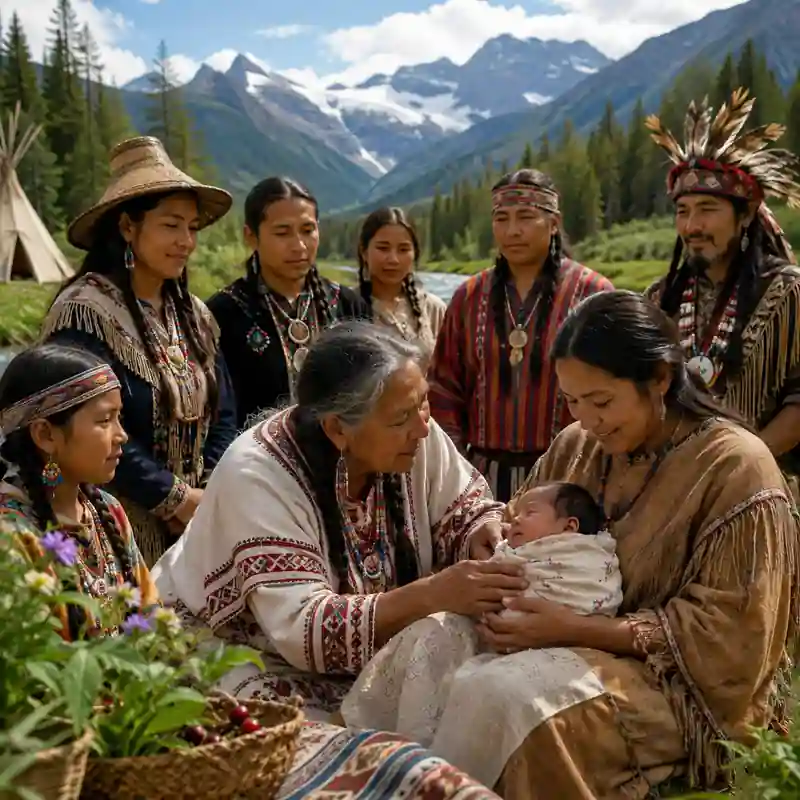

International Day of the World’s Indigenous Peoples 2026 will be observed on Sunday, 9 August, celebrating the cultures, rights and knowledge systems of Indigenous communities across the globe. The official United Nations theme for 2026 is “Honouring Indigenous Midwives: Safeguarding Life and Well-being,” recognising the vital role Indigenous midwives play in protecting maternal health while preserving traditional knowledge for future generations.
As 9 August falls on a Sunday this year, the United Nations will hold its official virtual commemoration on Monday, 10 August 2026, from 8:30 a.m. to 10:30 a.m. EDT. The programme includes discussions on Indigenous-led healthcare, cultural preservation and policy measures that strengthen Indigenous knowledge systems.
Why the 2026 theme matters
For many Indigenous communities, midwives are more than birth attendants. They provide pregnancy and postnatal care, preserve cultural traditions and pass practical knowledge from one generation to the next. In remote regions where healthcare facilities may be limited, they often remain trusted caregivers who understand local languages, customs and family needs.
The UN is also drawing attention to the barriers many Indigenous midwives continue to face, including discrimination and limited recognition within formal healthcare systems. Supporting Indigenous-led healthcare can improve access to culturally appropriate services while protecting centuries of community knowledge.
History behind the observance
The International Day of the World’s Indigenous Peoples is observed every year on 9 August to mark the first meeting of the UN Working Group on Indigenous Populations, held in Geneva in 1982. The annual observance was officially established by the UN General Assembly through Resolution 49/214 on 23 December 1994.
Over the years, the campaign has highlighted issues including land rights, education, health, language preservation and self-determination, helping bring Indigenous perspectives into international discussions.
Why Indigenous communities remain central to sustainable development
According to the United Nations, around 476 million Indigenous people live in approximately 90 countries, representing about 5,000 distinct cultures and speaking many of the world’s estimated 7,000 languages. Their traditional knowledge continues to support biodiversity conservation, sustainable food systems and responsible natural resource management.
Conservation efforts often benefit from Indigenous stewardship of ecosystems, a topic that complements the environmental awareness highlighted during World Shark Awareness Day 2026, where protecting marine biodiversity is a key focus.
Despite these contributions, many Indigenous communities continue to face poverty, discrimination and unequal access to education and healthcare. Promoting equal rights and inclusion remains equally important, reflecting the message behind International Albinism Awareness Day 2026, which encourages respect, dignity and protection against discrimination.
Key facts about International Day of the World’s Indigenous Peoples 2026
- Observed annually on 9 August.
- Official 2026 theme: Honouring Indigenous Midwives: Safeguarding Life and Well-being.
- UN virtual commemoration: 10 August 2026.
- Event time: 8:30–10:30 a.m. EDT.
- Official hashtags: #WeAreIndigenous and #IndigenousPeoplesDay.
- The International Decade of Indigenous Languages continues through 2032.
Read More
Explore more awareness day guides and global observance articles from Swikblog.
How to support the observance
Individuals can mark the day by learning about Indigenous history, supporting Indigenous-led organisations and businesses, attending educational events and sharing verified information that promotes respect for Indigenous cultures and rights. Long-term awareness and meaningful engagement help preserve traditions that continue to benefit communities worldwide.
Official programme details, concept notes and event resources are available on the United Nations 2026 observance page.

Make Swikblog your go-to source on Google for reliable updates, smart insights, and daily trends.