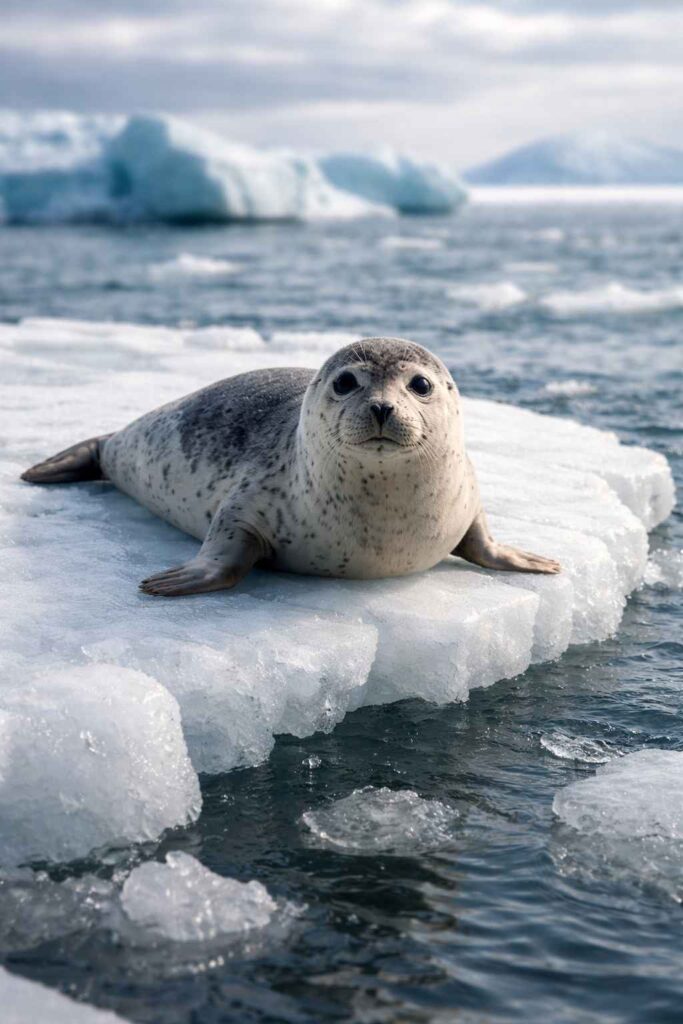

International Seal Day 2026 is being observed on March 22, drawing global attention to one of the ocean’s most recognizable yet vulnerable marine mammals. While seals are often admired for their playful nature and appearance, the reality behind their survival is far more serious. This annual observance is not just about appreciation—it is about awareness, conservation, and urgent action.
Seals play a crucial role in maintaining marine ecosystem balance, yet they are among the most targeted marine mammals in the world. From hunting to climate-related threats, their populations have been under pressure for decades. As International Seal Day gains traction globally, it continues to remind people why protecting these animals is more important than ever.
History of International Seal Day
International Seal Day was established in 1982 by the United States Congress at a time when seal populations were rapidly declining. The growing concern over large-scale hunting and exploitation led to the creation of this awareness day, originally referred to as the “Day of the Seal.”
The goal was clear: educate people about the dangers seals face and promote efforts to protect them. During that period, seals were heavily hunted for their pelts, blubber, and meat. These practices significantly reduced their numbers and pushed several species toward risk zones.
Since then, March 22 has been observed annually, not only in the United States but across the world, as millions of wildlife lovers and conservationists unite to highlight the importance of preserving seal populations.
What Makes Seals Unique Marine Mammals
Seals belong to a group of marine mammals known as pinnipeds, a term that means “fin-footed” in Latin. This group also includes sea lions and walruses. However, seals differ from their relatives in several key ways.
Unlike sea lions, seals do not walk on their flippers. Instead, they move on land by sliding or wriggling on their bellies. While this may appear slow and awkward, their flippers make them incredibly agile and fast swimmers in water. Seals are also generally smaller and quieter compared to other pinnipeds, making them uniquely adapted to their environments.
Where Seals Are Found Around the World
Seals are primarily found in cold regions, particularly around the Arctic Circle and Antarctica. These icy habitats provide ideal conditions for breeding, resting, and hunting. However, some species are also found along temperate coastlines, making them a globally recognized marine species.
Despite living in remote and often harsh environments, seals are not safe from threats. Natural predators and increasing human interference have made survival more challenging, putting their populations at risk.
Why Seals Are Facing Growing Threats
The biggest concern surrounding seals today is the combination of human-driven and environmental threats. Historically, hunting was the primary danger. Seals were captured for their valuable pelts, used in fashion, their blubber for oil, and their meat for consumption.
Even today, human activity continues to impact seal populations. According to NOAA Fisheries, marine mammals face increasing risks from habitat disruption, fishing gear entanglement, and climate-related changes.
Climate change is now emerging as a major threat. Rising temperatures are affecting sea ice levels, which many seal species rely on for breeding and resting. As ice melts earlier and forms later, seals lose critical habitat, making it harder for them to survive and reproduce.
Additionally, pollution and marine debris are creating new dangers. Plastic waste and abandoned fishing nets can trap seals, causing injury or death. These combined threats are why seals are now considered one of the most vulnerable marine groups globally.
Global Importance of International Seal Day
International Seal Day is observed worldwide, despite seals mainly inhabiting polar regions. The reason is simple: their survival impacts the entire marine ecosystem. Seals are an important part of the ocean food chain, helping maintain ecological balance.
This day serves as a reminder that human actions have direct consequences on wildlife. By raising awareness, it encourages governments, organizations, and individuals to take steps toward sustainable practices and conservation.
Organizations and researchers continue to track seal populations and conservation status through platforms like the IUCN Red List, which highlights species at risk and promotes global conservation efforts.
How People Are Observing the Day
International Seal Day is marked by educational campaigns, wildlife programs, and social media awareness. Schools, environmental groups, and marine organizations use this day to inform people about the importance of protecting seals.
Many individuals participate by sharing facts, supporting conservation charities, watching documentaries, and spreading awareness online. Small actions like avoiding products made from animal pelts or supporting eco-friendly initiatives can make a meaningful difference.
Why Conservation Efforts Matter Now
The situation for seals today is complex. While some populations have stabilized due to conservation laws, many others remain under threat. The combination of hunting, environmental change, and human interference continues to challenge their survival.
International Seal Day 2026 highlights a critical message: protecting seals is not optional—it is necessary. Their survival reflects the health of the oceans, and their decline signals deeper environmental issues.
As awareness grows, so does the opportunity to make an impact. From policy changes to individual responsibility, every effort contributes to ensuring that future generations will continue to see seals thriving in the wild.
Ultimately, International Seal Day is more than just a celebration. It is a global call to action to protect one of the ocean’s most important and vulnerable species before it is too late.

Make Swikblog your go-to source on Google for reliable updates, smart insights, and daily trends.