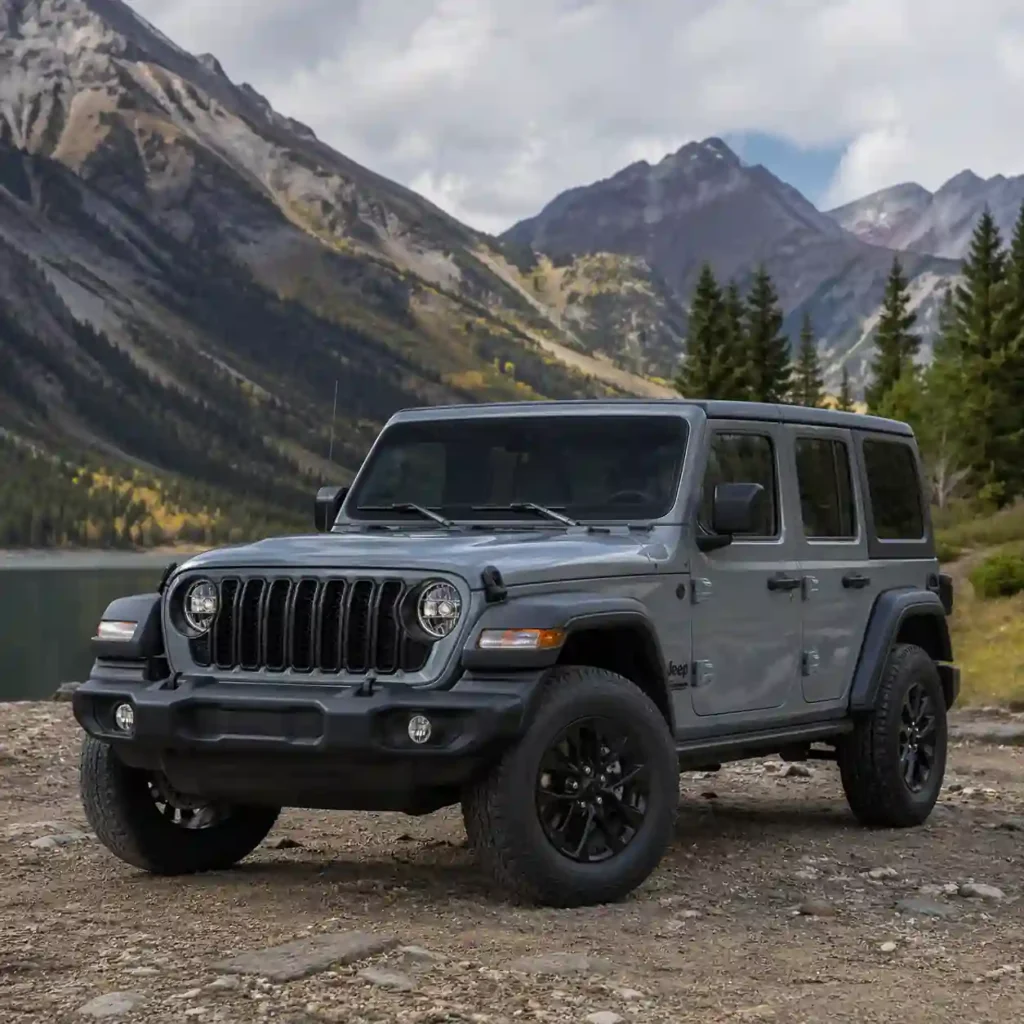

Families who use a Jeep Wrangler for school runs, weekend trips, or daily commuting have a new reason to check their vehicle records. Stellantis has announced a recall for certain 2026 Jeep Wrangler models because of a defect involving the rear child-seat tether anchorage, a part of the vehicle that most drivers never think about until safety becomes the focus.
At first glance, the issue may sound narrow. It is not an engine problem, a braking defect, or a software glitch. But it involves something just as important for parents: the hardware that helps hold a child restraint seat in place during a crash. When a recall touches a child safety system, it tends to draw far more attention than a routine service campaign, and for good reason.
Why this recall stands out
The affected Wranglers may have insufficient welds on the second-row right-side seat frame. That matters because the child restraint tether anchorage attached to that structure may not be strong enough to perform as required in a collision. If the anchorage fails under crash loads, the child seat may not remain as stable as intended, reducing the protection that parents expect from a properly secured restraint.
That distinction is important. Many drivers assume that once a child seat is installed, the job is done. In reality, the vehicle and the seat work together as a system. A top tether anchor helps limit forward movement of a forward-facing child seat during a crash. That can reduce head motion and improve restraint performance when seconds matter most.
According to the recall filing, the affected vehicles do not meet the strength requirements tied to Federal Motor Vehicle Safety Standard 225, the U.S. rule covering child restraint anchorage systems. For official child-seat guidance and safety information, owners can review resources from the National Highway Traffic Safety Administration.
What exactly is wrong with the Wrangler seat frame?
The issue is centered on the second-row right-side seat frame, not the entire interior and not every Wrangler on the road. In certain 2026 units, the welds in that seat structure may be weaker than required. Because the tether anchor depends on that frame for strength, the anchor could detach or fail during a crash event.
That makes this more than a technical compliance issue buried in paperwork. For a family using the rear seat for children, it affects one of the most sensitive parts of vehicle safety: whether a child restraint remains properly supported under impact forces.
Recalls tied to child-seat hardware tend to carry extra weight because the risk is easy to understand. Drivers may postpone fixing a trim rattle or ignore a minor convenience issue. A defect involving child protection is different. It goes straight to trust, and trust is hard to rebuild once it is shaken.
Which Jeep Wrangler models are affected?
The recall applies only to certain 2026 Jeep Wrangler vehicles. It is not a blanket recall covering every Wrangler in operation. Stellantis has assigned the internal campaign number 27D, while the federal recall reference is 26V224000.
Owners should not guess based on purchase date or trim level alone. The safest step is to check the vehicle identification number through official recall tools or by contacting a Jeep dealer directly. If you recently bought a 2026 Wrangler and use the second row for a child seat, it makes sense to verify the status now rather than wait for a mailed notice.
What Jeep owners can expect next
Stellantis says dealers will replace the second-row right-side seat frame free of charge. That detail matters because it shows the company is addressing the defect by replacing the affected component rather than relying on a quick adjustment. In recall terms, a full part replacement often gives owners more confidence that the root issue has been addressed.
Owner notification letters are expected to begin mailing on May 29, 2026. Even so, waiting for a letter is not always the best approach, especially for families actively using the vehicle to transport children. Checking recall status early can shorten the delay between discovery and repair.
After the repair is completed, owners should make sure the child seat is reinstalled correctly. A repaired vehicle still depends on proper seat installation, correct tether use, and secure fitment. That final step is easy to overlook, but it is part of getting the full benefit of the recall remedy.
Why this matters beyond one recall
The Jeep Wrangler remains one of the most recognizable SUVs in America. Buyers are drawn to its off-road image, removable doors, open-air driving experience, and long-running reputation. But vehicle loyalty does not cancel out the need for consistent manufacturing quality. A rugged badge can support a brand’s identity, yet safety systems still have to meet the same standard every time a vehicle leaves the line.
This recall is also a reminder of how modern vehicle safety depends on details that most consumers never see. The average buyer may compare horsepower, fuel economy, technology, or styling. Few think about weld integrity inside a seat frame. Yet those hidden components can become central when a crash occurs.
That is one reason recall awareness has become a bigger part of ownership. Buyers are not only purchasing a vehicle; they are relying on a chain of design, manufacturing, inspection, and follow-up accountability. When any part of that chain slips, owners are the ones left to respond quickly.
What owners should do now
If you have a 2026 Jeep Wrangler in your driveway, especially one used by children in the rear seat, this is the practical checklist to follow: check the VIN, confirm whether the vehicle is included, contact a Jeep dealer if it is, schedule the repair, and verify the child-seat setup once the replacement has been completed.
That is the simplest way to handle the situation. There is little advantage in delaying a recall that involves child restraint safety. For broader automotive updates and owner-focused recall coverage, readers can also explore more industry reporting on Swikblog.
In the end, this recall is not about panic. It is about paying attention to a defect that affects one of the most important protection systems in a family vehicle. For Jeep owners, the smartest response is straightforward: check, confirm, repair, and make sure the back seat is as safe as it should be.
You may like: Genesis recalls over 235,000 vehicles in US over fuel leak risk flagged by NHTSA

Make Swikblog your go-to source on Google for reliable updates, smart insights, and daily trends.