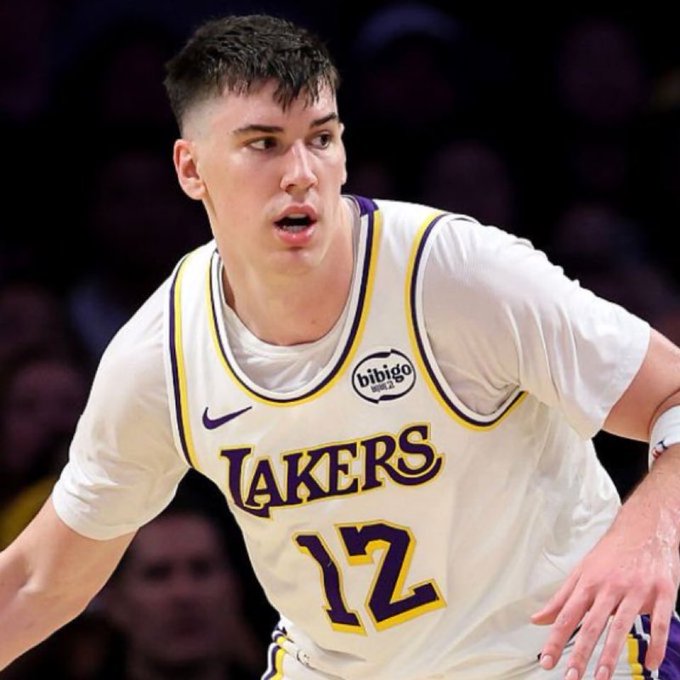
Monday night at the United Center has the feel of a measuring-stick game: one team trying to keep a road trip on track, the other riding a surge that’s tightened the Eastern picture. The Los Angeles Lakers arrive at 27-17, the Chicago Bulls at 23-22, with both clubs listing three names on the injury report — enough to reshape rotations, minute loads and late-game options.
The recent form is noisy, but it’s not random. The Lakers’ past week has swung between disciplined road wins and defensive slippage, while the Bulls’ last stretch has been driven by pace, ball movement and confidence built from beating quality opponents. Put them together, and you get a matchup where the margins live in the details: who survives the minutes when the bench units appear, who controls the paint, and who has enough shooting left to punish help defense.
For live context during the game, including official in-game updates and the box score, the NBA’s game hub is here: Lakers vs Bulls box score and game page .
Form guide: what the last five games are really saying
The Lakers have mixed sharp execution with the sort of lapses that can flip a road game in five minutes. Their win in Dallas stood out for composure and fourth-quarter control, while the loss to the Clippers underlined how easily their spacing can compress when secondary creators are missing. Add in the win in Denver — a tough building, a physical opponent — and you see a team that can grind, but can also be pulled into uncomfortable shot diets if the game turns into a perimeter wrestling match.
Chicago’s recent run is more straightforward: they’ve been scoring, moving the ball, and building separation. Beating Boston in a tight one is the kind of result that convinces a locker room it’s real; blowing out the Clippers is the kind that puts future opponents on alert. The Bulls have also shown they can handle road environments, which matters because their best stretches often come when they dictate tempo early and force the opponent to defend multiple actions per possession.
Injury report: three names each, and several tactical consequences
Lakers: Adou Thiero (out, knee), Austin Reaves (out, calf), Jake LaRavia (questionable, quadriceps).
The headline for Los Angeles is Reaves. Without him, the Lakers lose a reliable connector who can keep the ball moving without sacrificing shot quality — the sort of player who prevents possessions from turning into “your turn, my turn.” If LaRavia is limited or unavailable, the wing rotation gets thinner, which typically means heavier defensive assignments for the starters and fewer lineup combinations that can switch confidently across positions.
Bulls: Zach Collins (out, toe), Noa Essengue (out for season, shoulder), Tre Jones (day-to-day, hamstring).
Chicago’s list is about rhythm. Collins’ absence affects frontcourt flexibility; Essengue being out removes a season-long option; and Jones’ hamstring status influences how aggressively the Bulls can push pace and keep a steady playmaking pulse. If Jones is limited, Chicago may lean even more on structure and spacing — running their half-court offense with purpose and hunting paint touches before swinging out to shooters.
Matchups that decide it: three pressure points
1) Can the Lakers protect the paint without surrendering threes? Chicago’s best offense comes when the ball gets inside with purpose, then snaps outward to open shooters. The Bulls’ recent wins have featured confident three-point volume and clean paint scoring. The Lakers, meanwhile, have shown two versions of their defense in this stretch: a disciplined group that limits clean looks, and a scrambling group that gives up rhythm threes after over-helping.
2) The Luka–LeBron creation load vs Chicago’s ball pressure. Los Angeles can survive almost any night when its top creators generate efficient looks for themselves and others. But when a team can pressure the ball and cut off the simple outlet passes, the Lakers’ possessions can become more predictable — and that’s where missing Reaves matters. Chicago’s job is to make every action take one extra second, then punish any sloppy pass with a run-out.
3) Bench minutes: who wins the “quiet” stretches? Most road games swing in the minutes when stars sit. The Bulls’ recent form suggests depth and confidence — they’ve built leads and held them. The Lakers’ injury list raises the risk of a second-unit dip: less shot creation, fewer clean looks, more defensive stress. If Los Angeles can simply play even in those windows, they give themselves the platform to close.
What to watch early
The first six minutes should tell you which version of the game it’s going to be. If Chicago pushes the pace, gets downhill, and starts forcing rotations, the Bulls can turn the building loud quickly. If the Lakers control tempo, take care of the ball, and get quality looks without needing a bailout shot late in the clock, they can quiet the crowd and make this feel like a half-court chess match.
Watch the shot diet: are the Lakers creating paint touches that lead to threes and free throws, or settling for contested jumpers? Are the Bulls generating corner threes from movement, or getting stuck in late-clock isolations? These are small signals, but they tend to predict the final quarter better than any single hot streak.
Related on Swikblog
Luka Dončić takes center stage as the Lakers face the Clippers — what’s at stake and who’s out
Lakers vs Grizzlies: Westbrook passes Oscar Robertson — what it means for LA
Bulls end home drought vs Clippers as Harden leads LA — turning point for Chicago?
The pregame bottom line, without the clichés
This matchup is built for a late swing: Chicago’s momentum and ball movement against Los Angeles’ top-end creation and road-tested composure. If the Bulls keep the pace high and force the Lakers into thin-rotation minutes, they can turn form into a fifth straight statement. If the Lakers survive the bench stretches and keep their defense connected — especially on drive-and-kick sequences — they have the late-game shot-making to steal a road win that looks ordinary in the standings and significant in the mirror.
Either way, the injuries don’t just change who plays — they change what each team can comfortably be. Monday night is the test of whose identity holds up for 48 minutes.

Make Swikblog your go-to source on Google for reliable updates, smart insights, and daily trends.