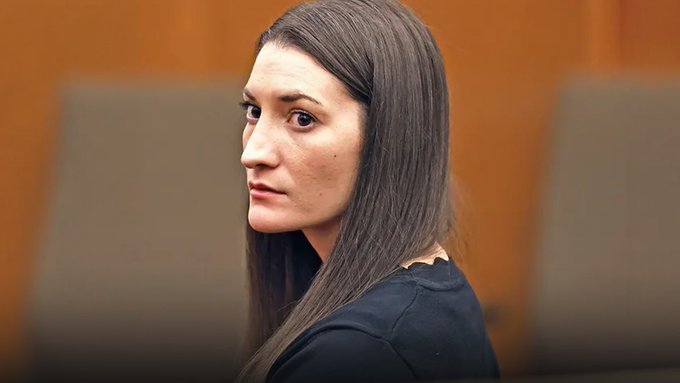

PLYMOUTH, Massachusetts — The murder trial of Lindsay Clancy moved toward a mistrial Friday after jurors said for a third time that they could not reach a unanimous verdict over whether she was criminally responsible for killing her three children.
Plymouth Superior Court Judge William Sullivan said he intended to declare a mistrial following seven days of deliberations. However, the proceeding was temporarily paused after defense attorney Kevin Reddington filed an emergency appeal with the Massachusetts Supreme Judicial Court.
Latest update: Although the judge announced his intention to declare a mistrial, it had not become formally final in front of the jury at the time of the latest published reports. The defense is asking Massachusetts’ highest court to intervene.
Why the Lindsay Clancy jury could not reach a verdict
The central question at trial was not whether Clancy killed her children, but whether she could be held criminally responsible for her actions under Massachusetts law.
Clancy, a former labor and delivery nurse, was charged in the January 24, 2023 deaths of her children, Cora, 5, Dawson, 3, and Callan, who was eight months old. The children were killed inside the family’s home in Duxbury.
Prosecutors argued that Clancy understood what she was doing and deliberately created an opportunity to be alone with the children by sending her then-husband, Patrick Clancy, out of the house.
The defense maintained that she was experiencing severe postpartum psychosis and could not appreciate the wrongfulness of her actions. Medical experts called by the prosecution and defense offered sharply different opinions about her mental condition at the time.
After hearing weeks of testimony from more than 80 witnesses, the jury began deliberating but repeatedly reported that it was unable to agree. Readers can revisit our earlier report on the Lindsay Clancy jury deadlock and the dispute involving a holdout juror.
The jury foreperson reportedly told the court that one member was refusing to follow the judge’s instructions concerning reasonable doubt. The defense said the split was 11–1 and asked Sullivan to dismiss the holdout juror.
Sullivan rejected that request, saying further questioning or removing the juror could improperly interfere with the deliberation process. The jury returned Friday and again informed the court that it could not reach a unanimous decision.
According to The Associated Press, Reddington then sought emergency intervention from a single justice of the Massachusetts Supreme Judicial Court. The defense argues that the judge’s refusal to remove the disputed juror created a structural problem with the trial.
What happens after a mistrial?
A mistrial caused by a deadlocked jury is neither a conviction nor an acquittal. It means the jury could not reach the unanimous decision required to return a verdict.
If the mistrial becomes final, prosecutors could seek another trial before a new jury. They could also consider a negotiated resolution or decide not to pursue the case again, although no such decision had been announced at the time of publication.
CBS News Boston reported that jurors had deliberated for more than 36 hours across seven days after hearing testimony from 85 witnesses. The defense’s emergency petition represents an attempt to prevent the existing jury from being discharged before the state’s highest court reviews the juror dispute.
Clancy pleaded not guilty and relied on a lack-of-criminal-responsibility defense. If a jury found her not criminally responsible, she would not receive a conventional criminal conviction but could remain subject to court-ordered psychiatric treatment and review.
The case has generated national discussion about postpartum mental illness and how the criminal justice system handles defendants experiencing severe psychiatric conditions. Postpartum psychosis is a medical emergency that may involve hallucinations, delusions, confusion or extreme changes in behavior.
Anyone experiencing a mental health or suicidal crisis in the United States can call or text 988 to reach the Suicide & Crisis Lifeline. Immediate emergency assistance should be sought when a parent appears to pose a danger to themselves or another person.
The court was expected to determine whether the emergency appeal would delay or prevent the formal mistrial declaration. This report will be updated when the Supreme Judicial Court responds or the trial judge formally dismisses the jury.
This is a developing story. Follow Swikblog’s latest news coverage for further updates.

Make Swikblog your go-to source on Google for reliable updates, smart insights, and daily trends.