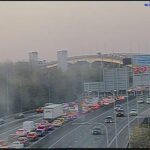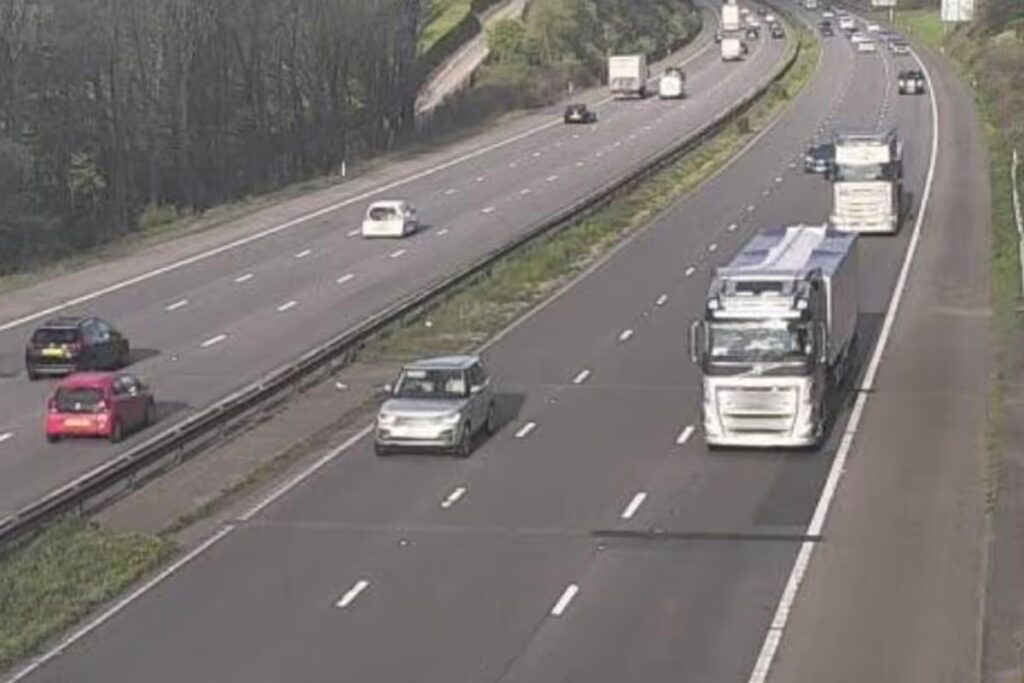

Commuters across South Wales faced hours of disruption on Monday evening after a serious crash on the M4 motorway forced authorities to shut down one of the region’s busiest transport routes, triggering long queues, diversions, and widespread delays during peak travel time.
People Injured after #Crash shuts #M4 for hours
— Trucker World (@truckerworld) April 7, 2026
🔗 https://t.co/LuaXxTzguZ
https://t.co/pOxqcjvYUf#Accident #Collision #Police #Sale #t … pic.twitter.com/PgSgh9deXC
The collision, which involved a car and a van, occurred between junctions 35 and 34 eastbound in the Vale of Glamorgan, an area that regularly sees heavy traffic flow connecting key economic hubs. Emergency services were called to the scene shortly after 7:00 PM on April 6, as reports of the crash began to surface.
Within minutes, both directions of the motorway were affected. Authorities made the decision to temporarily close sections of the eastbound and westbound carriageways to allow emergency responders safe access to the scene, bringing traffic to an abrupt halt and leaving hundreds of drivers stranded.
Evening Collision Brings Traffic Network to a Standstill
The timing of the crash significantly amplified its impact. Occurring during the evening rush, the closure quickly created a ripple effect across South Wales’ road network. Motorists attempting to bypass the shutdown were redirected onto smaller local roads, many of which became congested within a short period.
Traffic monitoring services indicated severe delays building up along the M4 corridor, with some drivers reporting extended waiting times before being able to move again. For many commuters heading home after work, what is usually a routine journey turned into a prolonged and uncertain wait.
According to updates shared by Traffic Wales, drivers were advised early on to avoid the area entirely as emergency crews worked to manage the situation. Diversions were put in place, but the sudden influx of vehicles onto alternative routes placed additional strain on surrounding infrastructure.
Eyewitness accounts described a heavy emergency presence, including police vehicles, ambulances, and highway response units, all working to secure the scene and assist those involved. Flashing lights illuminated the motorway as responders coordinated efforts to assess the damage and ensure the safety of those affected.
Injuries Reported as Emergency Services Respond
While the collision was described as serious, authorities later confirmed that the injuries sustained were minor. Those involved received medical attention at the scene, and no life-threatening conditions were reported.
The response from emergency services was swift and coordinated. Police officers managed traffic flow and secured the area, while paramedics provided immediate care. Recovery teams were also deployed to remove the damaged vehicles and clear debris from the carriageway.
As operations continued, the motorway remained closed for over two hours, underscoring the complexity of dealing with incidents on major highways. The process of reopening required not only clearing the wreckage but also ensuring that the road surface was safe for vehicles to pass through once again.
By shortly after 9:30 PM, authorities confirmed that the motorway had been fully reopened. However, the return to normal traffic conditions was gradual, with lingering congestion taking additional time to disperse.
For many drivers, the disruption extended well beyond the reopening of the road. Delays continued across connecting routes as traffic slowly returned to its usual patterns, highlighting the lasting impact such incidents can have on a region’s transport system.
The M4 is a critical artery for South Wales, linking major cities, ports, and industrial areas. Any disruption along this route can quickly cascade into wider delays, affecting not just commuters but also logistics and commercial transport.
Monday’s incident is a reminder of how vulnerable busy road networks can be to sudden disruptions. Even a single collision can trigger hours of congestion, particularly during peak periods when traffic volumes are at their highest.
In recent years, similar incidents on the M4 have led to comparable levels of disruption, prompting ongoing discussions about traffic management, emergency response efficiency, and infrastructure resilience. Authorities continue to stress the importance of cautious driving and maintaining safe distances, particularly on high-speed roads where the margin for error is minimal.
Public reaction following the incident reflected both frustration and concern. Many drivers took to social media to describe their experiences, sharing updates about delays and expressing appreciation for emergency services working under pressure.
For residents and regular commuters in the Vale of Glamorgan and surrounding areas, the crash served as a stark example of how quickly daily routines can be disrupted. The reliance on key motorways like the M4 means that even temporary closures can have far-reaching consequences.
As traffic conditions returned to normal later in the evening, attention shifted to understanding the circumstances surrounding the collision. While details remain limited, investigations are typically carried out to determine contributing factors and prevent similar incidents in the future.
The event ultimately ended without serious injury, but its impact was felt across the region for hours. It reinforces the critical role of emergency services and traffic management systems in responding to unexpected incidents and restoring order as quickly as possible.
For drivers, the experience underscores the importance of staying informed, following official guidance, and exercising caution, particularly on busy routes where conditions can change rapidly.
Author Bio
Chetan is a Swikblog writer with 5 years of experience covering global news, stock market developments, and trending topics, focusing on clear reporting and real-world context for fast-moving stories.

Make Swikblog your go-to source on Google for reliable updates, smart insights, and daily trends.