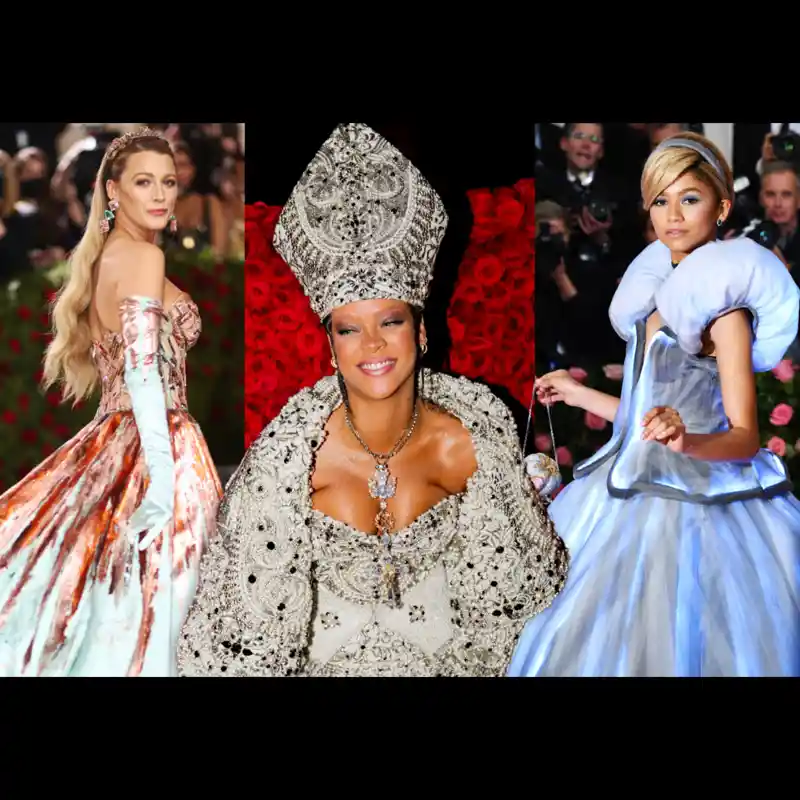

The Met Gala has always lived in two worlds at once. It is a fundraiser, but also a spectacle. It is a celebrity event, but also a museum event with a curatorial backbone. In 2026, those worlds appear closer than ever. This year’s headline is the dress code, “Fashion Is Art”, but the bigger story may be what sits behind it: a museum-level argument that fashion deserves to be seen not as decoration on the sidelines, but as a serious artistic language in its own right.
That shift is not symbolic alone. The 2026 gala will celebrate the Costume Institute’s spring exhibition, “Costume Art”, while also marking the opening of the institute’s new gallery home in a far more prominent part of the Metropolitan Museum of Art. For a department long associated with limited basement space, that change says almost as much as the red carpet itself. Fashion is moving from the edge of the building toward the center of the conversation.
Why the 2026 Met Gala feels bigger than a normal theme reveal
Every year, interest in the Met Gala spikes once the theme and dress code are announced. But the 2026 edition lands differently because it is tied to a broader institutional moment. The new Costume Institute galleries, funded through Condé Nast support, will occupy roughly 11,500 square feet inside the museum, replacing what used to be gift-shop space near the Great Hall. That is a major leap from the institute’s previous 4,300-square-foot footprint and, more importantly, a visible statement about status.
For years, fashion’s critics have treated clothing as something less substantial than painting, sculpture or architecture. Museums, however, have increasingly challenged that hierarchy, and the Met’s latest move pushes the point further. Visitors entering one of the world’s most important museums will now encounter fashion in a prime location rather than as a niche department tucked away below.
For readers who want the museum’s broader background on the department, the Met’s official Costume Institute page offers useful context on its curatorial mission and collection: The Costume Institute at The Metropolitan Museum of Art.
Theme vs dress code: the distinction matters
One reason Met Gala coverage can become confusing is that the event’s “theme” and “dress code” are often discussed as if they mean the same thing. They do not. In 2026, the exhibition theme is “Costume Art”. The dress code for guests is “Fashion Is Art.”
The exhibition title points to the intellectual framework of the museum show. It is about how clothing, adornment and the dressed body appear across art history and across the museum’s own departments. The dress code, by contrast, is the prompt given to attendees. It tells celebrities, designers and stylists how to enter that conversation visually on the steps of the Met.
That distinction matters because it shapes expectations. Museum visitors are being invited to think about dress as a cultural and artistic form. Gala guests are being invited to translate that idea into clothing, tailoring, embroidery, silhouette and performance. One is curatorial. The other is interpretive.
What “Fashion Is Art” could mean on the red carpet
From a style standpoint, this may be one of the most open dress codes in recent memory. A directive like “Fashion Is Art” does not box attendees into one period, one designer, one nationality or one type of garment. Instead, it encourages risk. That means the 2026 carpet could produce sculptural gowns, gallery-inspired tailoring, hand-finished surfaces, painterly prints, archival references and pieces that blur the line between couture and installation.
Some guests will likely lean literal, wearing looks inspired by famous paintings, museum objects or techniques associated with fine art. Others may interpret the dress code through construction rather than concept, using shape, fabric and detail to make the case that design itself is an art form. The freedom built into the theme may also widen the gap between those who fully commit and those who take a looser route.
That tension is part of what keeps the Met Gala culturally relevant. It is never just about who looked “best.” It is about who understood the assignment, who expanded it and who ignored it altogether.
The recent history behind this year’s concept
The event’s recent themes show how carefully the Met balances scholarship with spectacle. In 2025, the exhibition “Superfine: Tailoring Black Style” was paired with the dress code “Tailored for You.” In 2024, “Sleeping Beauties: Reawakening Fashion” led to “The Garden of Time.” In 2023, the museum honored “Karl Lagerfeld: A Line of Beauty,” while 2022’s “In America: An Anthology of Fashion” produced the highly discussed “Gilded Glamour and White Tie.”
Those combinations show how the gala works at its best: the exhibition provides depth, and the dress code gives the public a way into it. This year’s pairing may be less restrictive, but it is arguably more ambitious. Instead of asking attendees to reference a narrow style lane, it asks them to engage with a bigger idea about what fashion is and where it belongs.
If you are tracking how the event has evolved over time, you can also explore our breakdown of Met Gala fashion history, which looks at how exhibition concepts have shaped celebrity dressing from one era to the next.
Expect standout moments — and some misses
No Met Gala is complete without a debate over who embraced the brief and who left viewers puzzled. That pattern is unlikely to change in 2026. Some stars will almost certainly deliver major, conversation-starting looks that define the night. Others may arrive in outfits that are polished and expensive but only loosely connected to the stated concept.
That has happened many times before. The event often rewards imagination, but it also exposes when a look feels disconnected from the exhibition’s underlying idea. In a year when the message is so expansive, the challenge may be even sharper. Open-ended themes sound easy, but they can be harder to execute well because there are fewer obvious boundaries to hide behind.
The 2026 gala is also generating extra buzz because coverage has hinted at the possible return of a superstar not seen on the Met carpet in a decade. That kind of anticipation matters. A high-profile comeback can tilt the mood of the entire evening and change the way the event is remembered long after the last photo is filed.
Why this year could matter beyond one night
What makes Met Gala 2026 significant is not only what celebrities will wear, but what the museum is saying through the event itself. The combination of “Costume Art”, “Fashion Is Art” and the Costume Institute’s expanded home inside the Met forms a single message: fashion is no longer asking for validation from the art world. It is claiming its place within it.
That makes this year’s gala more than a red carpet trend report. It is a public-facing milestone in the long debate over fashion’s cultural standing. The guest list, the dress code and the exhibition will provide the visual drama, but the underlying story is one of recognition. For the Met, and perhaps for the wider culture too, 2026 looks like the year fashion stops being treated as the museum’s stylish side note and starts being presented as part of the main collection of ideas.
You may like: Maura Higgins DWTS 2026 Season 35 Cast Rumors: What to Know So Far

Make Swikblog your go-to source on Google for reliable updates, smart insights, and daily trends.