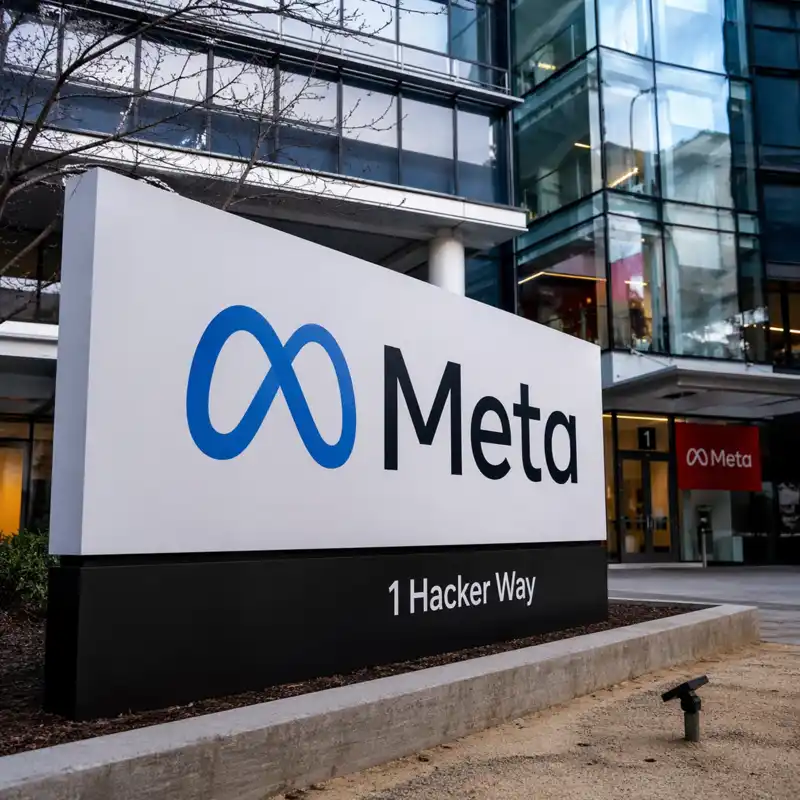

Meta has announced plans to cut approximately 8,000 jobs, nearly 10% of its global workforce, as the company intensifies spending on artificial intelligence infrastructure. The move places Meta among a growing list of Big Tech firms reshaping operations to prioritize AI-driven growth while tightening overall costs.
The layoffs come at a time when Meta is significantly expanding its investment in advanced computing systems, data centers, and highly specialized AI talent. The company has already warned that its total expenses in 2026 could rise sharply to between $162 billion and $169 billion, a surge driven largely by the cost of scaling artificial intelligence capabilities.
This shift signals a broader transformation underway across the technology sector. As companies accelerate AI adoption, workforce structures are being redefined, with fewer roles focused on traditional operations and greater emphasis on automation and high-value engineering expertise.
AI investment driving structural change
Meta’s decision reflects a calculated move toward efficiency rather than a reaction to short-term financial pressure. By reducing headcount, the company is redirecting resources toward infrastructure that supports machine learning, large-scale data processing, and next-generation digital platforms.
The financial scale of this transition is significant. Building and maintaining global AI systems requires vast networks of data centers, high-performance chips, and continuous software development. These costs have risen sharply across the industry, forcing companies to reassess how resources are allocated.
Analysts view Meta’s layoffs as part of a wider trend in which artificial intelligence is replacing repetitive and process-driven tasks. Roles that once required large teams are increasingly being handled by automated systems, allowing companies to operate with leaner structures while maintaining productivity.
The emphasis is shifting toward a smaller workforce composed of highly skilled AI researchers, engineers, and specialists. These positions often come with significantly higher compensation, reflecting the competitive demand for talent capable of building and managing advanced AI systems.
Microsoft adopts a different approach
While Meta is moving forward with direct layoffs, Microsoft is taking a more gradual path by offering voluntary buyouts to employees. The company is preparing to extend buyout offers to approximately 8,750 workers, representing around 7% of its U.S. workforce.
The program, expected to begin in early May, allows eligible employees to leave the company with financial incentives, reducing workforce size without immediate compulsory layoffs. The approach reflects a softer transition strategy, but the underlying goal remains similar — aligning staffing levels with evolving business priorities shaped by AI investment.
Microsoft has been investing heavily in artificial intelligence across its product ecosystem, including cloud computing services and tools like Copilot. These initiatives rely on extensive data center infrastructure and ongoing technological development, both of which require sustained capital expenditure.
According to reporting from Reuters, the rising cost of AI infrastructure is becoming a defining factor in how major technology companies manage both spending and workforce decisions.
The company’s buyout strategy offers employees flexibility while enabling Microsoft to gradually restructure its workforce. This approach may reduce the immediate impact on morale compared to large-scale layoffs, but it still reflects the same industry-wide shift toward efficiency and automation.
Big Tech enters a new phase
The parallel actions from Meta and Microsoft highlight a turning point in the tech sector. Artificial intelligence is no longer a side investment — it is now central to long-term growth strategies, influencing decisions across hiring, spending, and organizational design.
Companies are increasingly balancing two competing priorities: the need to invest aggressively in AI capabilities and the pressure to control costs. This balance is leading to a redefinition of workforce models, where traditional roles are reduced and technical expertise becomes more concentrated.
For employees, the shift represents both risk and opportunity. While some roles are being phased out, demand for AI-related skills continues to grow rapidly, reshaping the job market within the technology industry.
For investors, these moves signal a focus on long-term competitiveness. By prioritizing efficiency and investing in AI infrastructure, companies are positioning themselves to lead in a rapidly evolving digital landscape.
The developments at Meta and Microsoft suggest that the current wave of restructuring is not temporary. Instead, it reflects a deeper transformation that is likely to define the future of the global technology workforce as artificial intelligence becomes the core driver of innovation and growth.

Make Swikblog your go-to source on Google for reliable updates, smart insights, and daily trends.