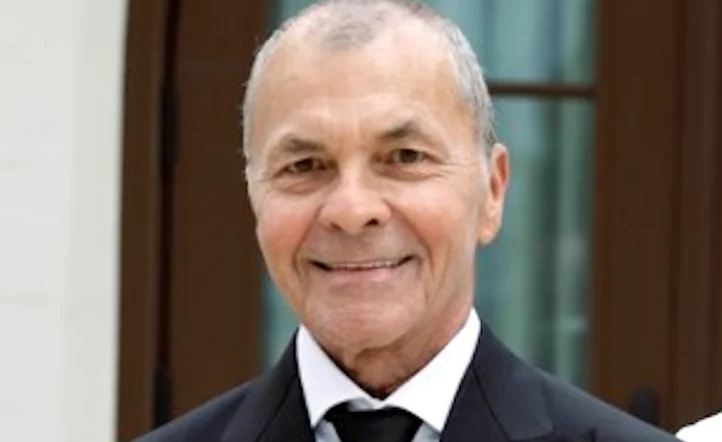
Midnight Oil drummer Rob Hirst has died aged 70, prompting an outpouring of grief across Australia’s music community and renewed appreciation for a band whose sound and message travelled far beyond the country’s shoreline. Hirst’s death was confirmed in statements reported by major Australian outlets, with the band saying he died peacefully surrounded by loved ones after a long illness.
For many fans, the news lands like the sudden drop after a stadium chorus: the moment you realise the beat you relied on has gone quiet. Hirst wasn’t simply “the drummer” in Midnight Oil — he was the engine room, the push in the tempo, the snap in the snare, the relentless drive beneath songs that became cultural reference points for generations.
According to ABC News, Hirst had been diagnosed with pancreatic cancer in 2023. Midnight Oil’s statement described a fierce fight over nearly three years and asked that anyone wanting to honour him consider donating to pancreatic cancer support and music-industry charity efforts.
That request tells you something about who Hirst was: a musician with a deep sense of community and purpose. Midnight Oil were never a band that lived only for the next gig. Their work carried social weight — songs that sounded like protest marches but still felt personal enough to sing in the car, late at night, with the window down.
Hirst’s drumming helped shape that identity. He played with a muscular clarity that made even urgent songs feel disciplined rather than chaotic. If you know Midnight Oil’s biggest tracks — the ones that still fill pub jukeboxes and festival sets — you also know Hirst’s fingerprints: the tight, propulsive rhythms that turned message into movement.
In tributes published in the hours after the announcement, writers have pointed to Hirst’s role as a founding member and a creative force inside the band. The Guardian reported that Hirst had faced a nearly three-year battle with stage-three pancreatic cancer and highlighted the scale of his contribution to the band’s legacy — not only as a performer, but as someone deeply woven into the group’s musical DNA.
Midnight Oil’s story is often told through its frontman’s presence — Peter Garrett’s unmistakable intensity, the way he seemed to inhabit a song with his whole body. But any band that lasts this long, and matters this much, does so because every part is holding. Hirst held. Night after night, tour after tour, he delivered the kind of consistency that looks effortless only if you’ve never tried to do it.
Fans have been sharing old live clips and favourite lyrics, and the pattern is clear: the grief is not only for the man, but for a chapter of Australian life that he helped soundtrack. For listeners who grew up alongside Midnight Oil, Hirst’s death feels like a personal marker — one more reminder that the voices and rhythms that raised us don’t stay forever.
It’s also a moment that pulls new listeners in. When an artist dies, people go searching — not just for the cause or the headlines, but for the music that explains why anyone cared in the first place. If you’re discovering Midnight Oil now, start with the songs everyone knows, then go deeper. You’ll hear the band’s range: anger and tenderness, urgency and reflection, stadium energy and intimate storytelling — all carried forward by a drummer who understood that the right beat can make truth feel undeniable.
In the midst of tributes, the band and family have pointed people toward charities connected to pancreatic cancer awareness and support, as well as organisations that help musicians and crews. In Australia, one of the best-known music-industry supports is Support Act, which provides crisis relief and mental health services to people working in music.
For readers looking back on Midnight Oil’s history — or revisiting the band’s place in culture — you can also explore more of our coverage and updates on Swikblog, where we track major moments that shape the entertainment and cultural conversation.
Rob Hirst leaves behind a legacy that is easy to describe and impossible to replace: a sound you can recognise in seconds, and a career that proves rhythm can be its own kind of leadership. The tributes will keep coming, and the songs will keep playing — because for a band like Midnight Oil, there may be no perfect words, but there will always be music.
If you or someone you know is dealing with pancreatic cancer, consider seeking support through national cancer services and local healthcare providers. If you work in music and need help, Support Act offers pathways to assistance.

Make Swikblog your go-to source on Google for reliable updates, smart insights, and daily trends.