
Minnesota targets crypto ATMs with a full-ban proposal
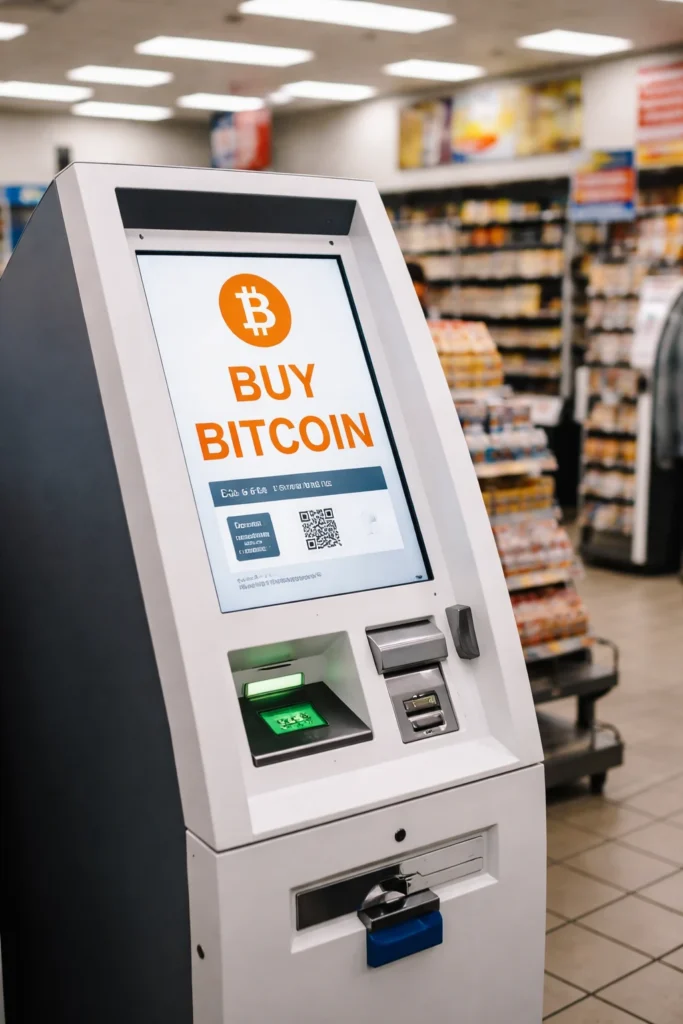
Minnesota lawmakers, supported by local police and the Department of Commerce, have advanced legislation that would effectively shut down crypto ATMs statewide. The bill, House File 3642, aims to prohibit virtual currency kiosks that convert cash or debit-card funds into crypto on the spot, while rolling back the framework put in place in 2024.
The pitch from supporters is straightforward: when fraud is the dominant use case in too many real-world situations, limiting access points can be faster than tightening a rulebook that scammers can route around.
The numbers driving the debate
- 70 complaints logged over the past year, with reported losses totaling $540,000.
- An estimated 350 licensed kiosks operating statewide across roughly 8–10 companies.
- Victim losses frequently build through repeated deposits, not single transactions, turning smaller transfers into large totals over weeks or months.
Regulators also flagged the reporting gap: the complaint figures are widely viewed as a floor because many victims never file a report or realize what happened until long after the funds have moved.
The 2024 rules tried to add friction — scammers found the exits
Minnesota’s 2024 approach focused on disclosures and limits — warning signage, irreversible-transaction language, tighter caps for new users, and a refund pathway if a fraud victim moved quickly with both the operator and law enforcement.
Officials testified that the protections didn’t change the outcome for many targets because scammers adapt in real time. Victims are coached to use “seasoned” accounts instead of opening new ones, or to move to machines in neighboring states when limits and safeguards bite.
How kiosk fraud typically plays out
The pattern is consistent: urgency first, compliance second. A caller or online contact claims to be a bank, tech support, law enforcement, or a government agency. The target is told their funds are compromised, their identity is at risk, or a penalty is imminent — and that a “safe” transfer must happen immediately.
Crypto kiosks solve two problems for the scammer. They remove the learning curve of exchanges and wallets, and they shift the final step into a private, isolated moment where a victim is alone with instructions — and often too frightened to stop.
Operators say punish criminals, not the machine
Major operators acknowledge the fraud wave but argue a ban misses the mark: the product is legal, demand is real, and scam tactics will migrate if kiosks disappear. Their preferred route is stricter screening, stronger ID checks, improved monitoring, and faster, clearer escalation to law enforcement.
Law enforcement and consumer regulators counter that the “migration” argument is precisely why they want to cut off the most efficient channel. A kiosk turns physical cash into digital value with speed and limited recourse — a combination that’s difficult to defend with warnings alone once a victim is under pressure.
National pressure is rising
Minnesota’s proposal lands as other states and agencies intensify scrutiny of kiosk-related fraud. Enforcement actions and state-level crackdowns have increasingly focused on whether consumer protections are functioning in practice, not just in policy.
Federal-level discussions are also sharpening around stronger identification requirements, registration and reporting obligations, receipts and disclosures, transaction limits, cooling-off periods, and structured refund processes when fraud is suspected.
Pig butchering scams put scale behind the policy push
The wider fraud economy has also changed the risk profile. “Pig butchering” operations industrialize relationship-based manipulation — sometimes romantic, sometimes friendly, sometimes financial “mentorship” — before steering targets toward fake platforms or direct transfers.
Crypto kiosks show up as the practical bridge: the victim can be directed to convert cash quickly with simple steps, while the scammer controls the destination address and accelerates the exit.
Privacy advocates push back — and the policy choice gets sharper
Critics of kiosk restrictions argue bans are a crackdown on one of the few remaining ways to exchange cash and crypto without deeper financial surveillance. They frame the solution as enforcement against scammers and better education, not removing access.
The political test in Minnesota is whether lawmakers treat kiosks as an essential financial utility that needs tightening — or as a high-risk conversion rail that’s too easily weaponized against vulnerable residents.
Primary source readers can verify: Minnesota House File 3642 (bill text and versions)
You May Also Like

Make Swikblog your go-to source on Google for reliable updates, smart insights, and daily trends.