
By James
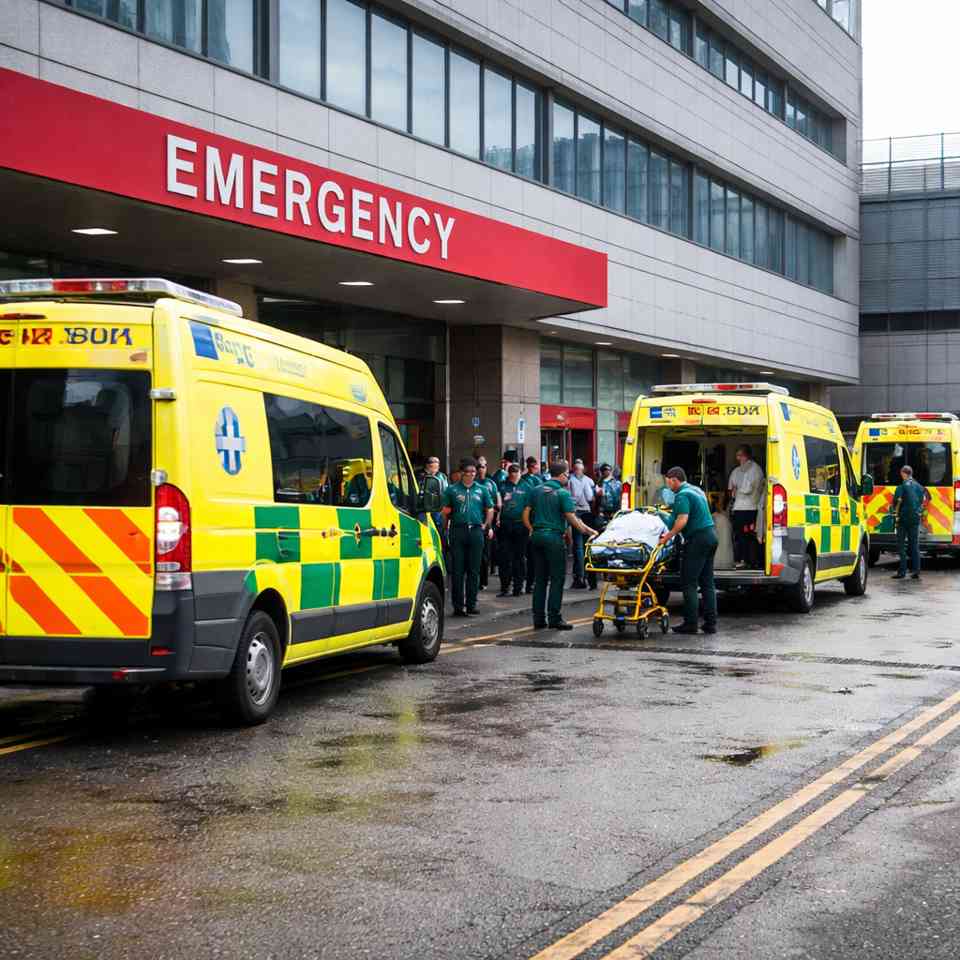
The UK’s health system is heading into a high-pressure moment this Easter, with NHS leaders urging the public to think carefully before heading to A&E. A surge in holiday travel, closed GP practices, and a looming six-day resident doctors’ strike are combining to create one of the most challenging periods for the NHS this year.
Officials are now pushing a clear message: use NHS 111 as your first point of contact for non-emergency care. The goal is simple — protect emergency services for those who need them most.
The Easter bank holiday weekend, running from April 3 to April 6, is traditionally one of the busiest times for the NHS. This year, that pressure is expected to intensify as thousands of visitors head to coastal and countryside destinations, especially in regions like Devon, Kent and the South East.
Why NHS pressure is rising this Easter
Health leaders say the challenge isn’t just about holiday crowds. It’s also about timing. Just as demand peaks, resident doctors across England are set to begin industrial action from 7am on April 7 until 6:59am on April 13.
The strike follows an ongoing dispute over pay. The British Medical Association (BMA) says resident doctors’ earnings are still around 20% lower in real terms than in 2008, while recent proposals include a 3.5% increase spread over three years. The union argues that this does not adequately address long-standing concerns about pay and workforce shortages.
NHS officials say hospitals and GP services will do everything possible to minimise disruption, but the reality is that fewer available staff combined with peak demand could stretch services significantly.
Dr Christopher Tibbs, Medical Director for NHS England South East, acknowledged the added pressure, noting that industrial action comes at “a real cost” to both patients and staff, even as teams work extra hours to maintain care.
At the same time, GP practices will be closed throughout the bank holiday weekend — removing a key access point for routine care and pushing more people toward urgent services.
NHS 111 and pharmacies take centre stage
To reduce unnecessary hospital visits, the NHS is urging people to use NHS 111 online or by phone as their first step for non-emergency medical issues. The service is designed to quickly guide patients to the right care without overwhelming emergency departments.
NHS 111 can do more than many people realise. It can:
– Provide immediate medical advice
– Arrange a callback from a trained clinician or nurse
– Book appointments, including referrals to A&E if needed
– Direct patients to the most appropriate service
Alongside this, local pharmacies are being highlighted as a frontline resource. Through the Pharmacy First service, pharmacists can assess and treat common conditions such as sore throats, ear infections, sinusitis, infected insect bites and urinary tract infections.
This approach is not just about convenience — it’s about keeping emergency care available for life-threatening situations.
What people should do before the long weekend
NHS teams across Kent and Medway are encouraging families to prepare ahead of time, especially with school holidays beginning at the same time.
Simple steps can make a big difference:
– Order repeat prescriptions early using the NHS App
– Check pharmacy opening hours in your area
– Keep a well-stocked home medicine cabinet
– Know where your nearest urgent treatment centre is
Urgent treatment centres remain open every day and can treat minor injuries such as sprains, burns and broken bones — often with shorter waiting times than A&E.
Parents are also being supported with additional resources. The NHS has released a child-friendly booklet aimed at families with children aged 5 to 11, helping them understand common illnesses and what to do if their child becomes unwell during the holidays.
The message is clear: a little preparation now can prevent unnecessary stress later.
Emergency vs non-emergency: making the right call
NHS leaders are stressing the importance of understanding when to use each service.
Call 999 only if someone is seriously ill, badly injured, or their life is at risk.
For everything else — from infections to minor injuries — NHS 111, pharmacies, and urgent care centres are often the faster and more appropriate option.
According to NHS Devon’s Chief Medical Officer Dr Peter Collins, choosing the right service ensures that emergency care remains available for those who need it most — especially during peak periods like Easter.
He also emphasized the importance of planning ahead, noting that many common health issues can be handled quickly without hospital visits.
The NHS is even encouraging people to think of it as a simple approach: “plan ahead, choose wisely, and avoid unnecessary delays.”
For quick guidance during the holiday, you can use NHS 111 online or locate your nearest local pharmacy.
With Easter travel surging, doctors preparing to strike, and hospitals bracing for impact, the coming days will test how well the system holds up. But for patients, the difference between long waits and fast care may come down to one simple decision — choosing the right service at the right time.

Make Swikblog your go-to source on Google for reliable updates, smart insights, and daily trends.