New Zealand’s rail-safety failures and a devastating split-second decision collided in the worst possible way — and on Tuesday, the consequences finally reached the courtroom. Norton Sowerby, the Hamilton man whose reckless driving across closed railway barriers killed three of his closest friends, has been sentenced to eight years in prison, sparking grief, anger and calls for tougher penalties.
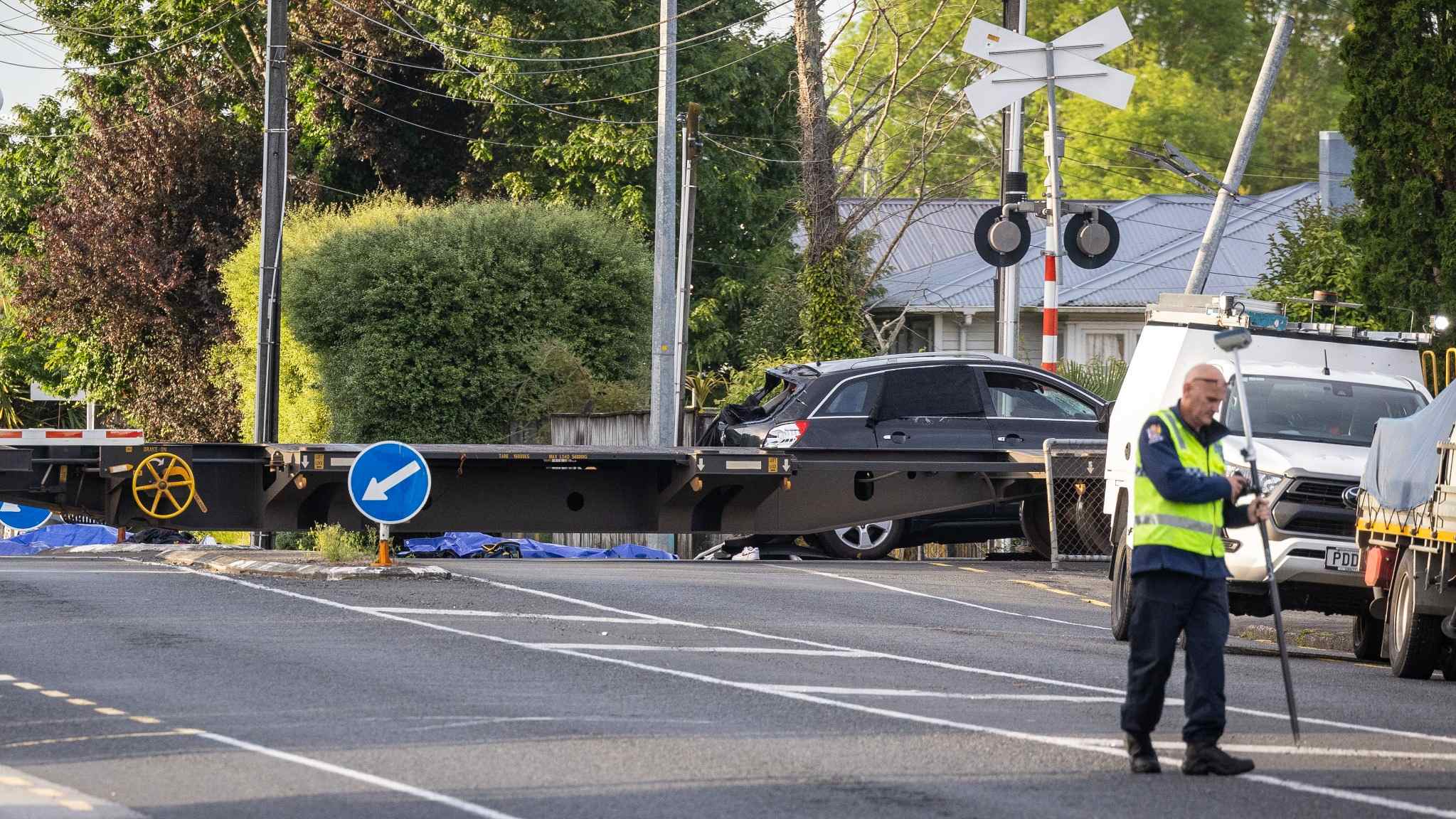
The crash took place just after 2am on November 13, 2024, when Sowerby — disqualified from driving and under the influence of methamphetamine — overtook a stopped vehicle, swerved around the lowered barrier arms at the Peachgrove Road crossing and attempted to beat an oncoming train. He didn’t make it.
The train slammed into the passenger side of the car, killing 46-year-old William Chaney Marsters Brown, 26-year-old Shylin Huirama-Osborne, and 23-year-old Sione Leapulu Nusipepa. A fourth passenger survived but sustained life-changing injuries, including major facial and spinal trauma, breathing difficulties and chronic pain that continue today.
‘A death trap’ — Judge condemns Sowerby’s decisions
During sentencing at the High Court in Hamilton, Justice Mathew Downs did not mince words. He described the late-night manoeuvre as “profoundly reckless” and a “death trap” for the four people trapped inside. The court heard that Sowerby tested positive for methamphetamine at six times the high-risk threshold, and had six previous convictions for driving while disqualified.
His actions, Justice Downs said, demonstrated a “complete disregard for human life,” especially given the clear warning lights, bells and barrier arms that were already lowered at the crossing.
Families devastated: ‘He took everything from us’
Tears filled the courtroom as grieving whānau read emotional victim-impact statements. One relative said the crash “tore a hole in our family that will never close,” while another described the sentencing as “nowhere near enough for the lives taken.”
Several families had previously called for a life sentence, arguing that Sowerby’s history of risky driving and drug use made the crash inevitable. Others said they hoped the sentence would send a strong warning to other motorists who ignore railway protections.
Survivor faces a long recovery
The only surviving passenger continues to undergo surgeries and rehabilitation. According to court documents reviewed by The New Zealand Herald, he suffers frequent headaches, significant nerve damage and severe respiratory issues caused by chest injuries sustained during the impact.
His whanāu say he faces a future of uncertainty — physically, emotionally and financially — because of Sowerby’s choices.
Rail safety questions resurface
While blame for the crash rests with Sowerby, the tragedy has rekindled debate about New Zealand’s ageing railway-crossing infrastructure. Rail advocates told Stuff NZ the crash highlights a pressing need for better enforcement, stronger public education campaigns and modernised crossing protections, especially in busy urban areas like Hamilton.
KiwiRail has since reviewed several high-risk crossings nationwide, though no structural faults were found at the Peachgrove site.
You may also like
Upper West Side Blaze: 4-Alarm Fire Injures 2, Triggers Mass Evacuations
What the sentence means
Sowerby must serve at least four years before he is eligible for parole. His eight-year sentence is within the typical range for triple manslaughter cases involving dangerous driving in New Zealand, although many families and road-safety advocates argue that such sentences remain too light compared with the magnitude of loss.
As the courtroom emptied, the mood was sombre. For the families, no sentence could ever restore the three men whose lives ended on the tracks that night. For the survivor, the struggle to rebuild his life is only beginning. And for Hamilton, the tragedy stands as a stark reminder of how quickly a reckless choice can destroy everything.

Make Swikblog your go-to source on Google for reliable updates, smart insights, and daily trends.