
The NYT Connections puzzle for March 29, 2026 (#1022) offers a fun and well-balanced challenge, combining visual recognition, nostalgia, and clever wordplay. While the opening category is fairly easy to spot, the later groups demand sharper observation — especially when it comes to pronunciation and phrase construction.
Like always, the puzzle is divided into four difficulty levels: Yellow (easy), Green, Blue, and Purple (most difficult). Today’s grid gradually increases in complexity, with the final category requiring a more abstract connection.
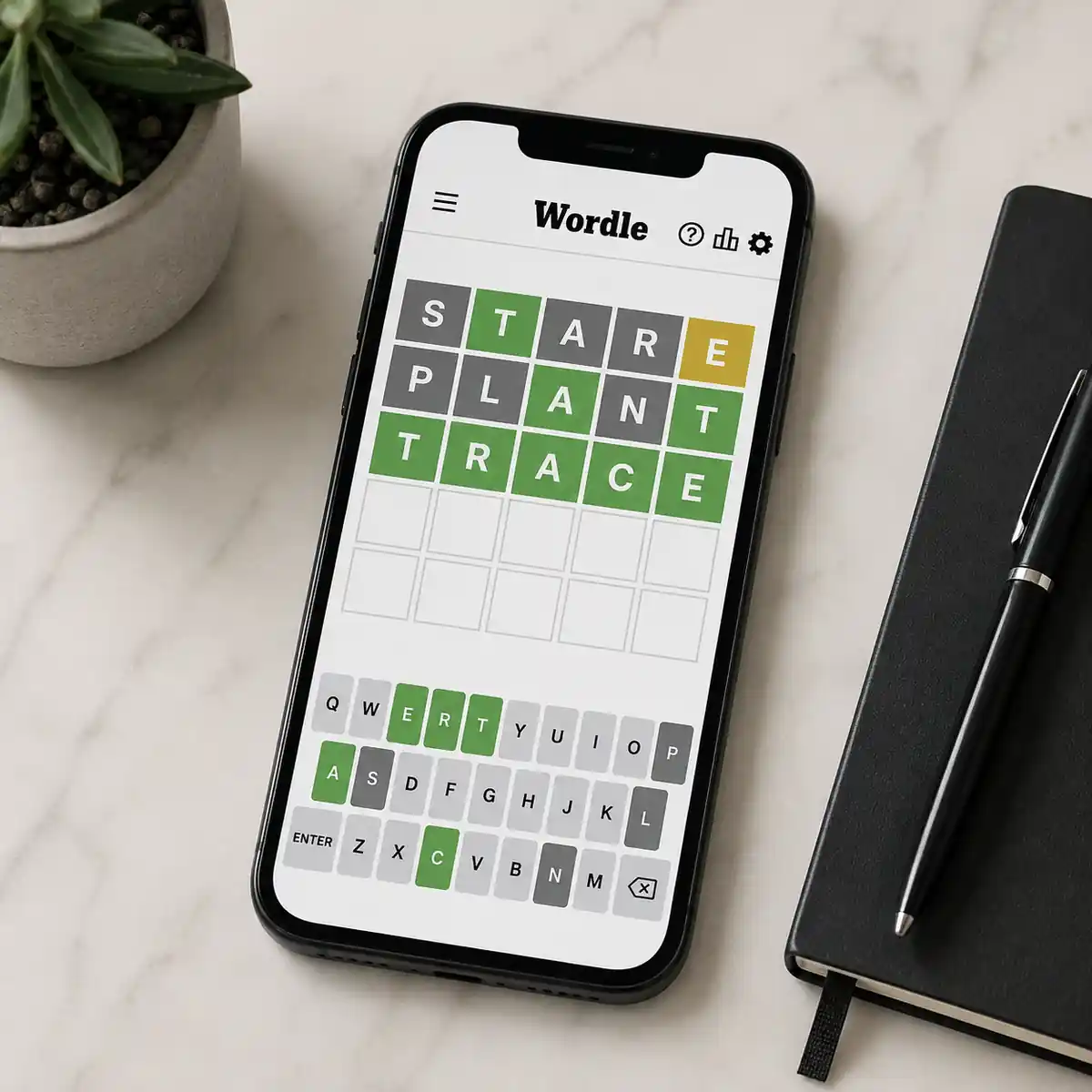
If you enjoy tracking your performance, the Connections Bot — similar to the Wordle bot — lets you analyze your results, get a score, and review your solving patterns. Logged-in NYT Games users can also monitor stats like win streak, total puzzles completed, and perfect scores.
You can play today’s puzzle directly on the New York Times Connections page, or continue below for detailed hints and answers.
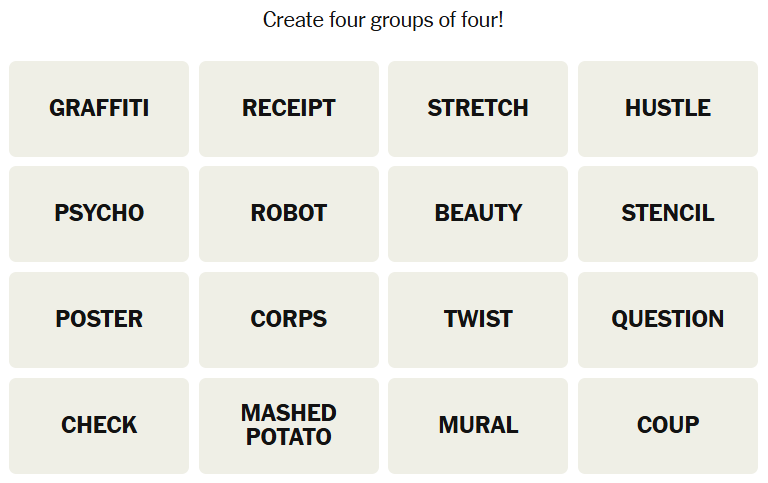
Hints for Today’s Connections Puzzle
🟨 Yellow (Straightforward):
Think about visuals commonly seen in public spaces, especially in urban environments. These are forms of artwork or messaging you might notice while walking or driving through streets.
🟩 Green:
This group is all about movement and rhythm. Picture classic dance styles that had their moment of popularity and are still recognized today.
🟦 Blue:
Focus on pronunciation quirks. Each of these words includes a letter that appears in spelling but is not actually spoken aloud.
🟪 Purple (Tricky):
Look for words that commonly pair with another word to form familiar phrases. The connection lies in what follows each of them.
Tap to Reveal Answers
Today’s puzzle stands out for its clean progression. The yellow group is highly visual and easy to identify, while the green group brings a nostalgic twist. The blue category tests attention to pronunciation details, and the purple group challenges players to think in terms of common phrases rather than direct meanings.
It’s a great example of how Connections blends simple recognition with deeper word associations — keeping players engaged right to the final group.

Make Swikblog your go-to source on Google for reliable updates, smart insights, and daily trends.