If you want today’s Wordle answer immediately, scroll down. But if you enjoy solving puzzles on your own, these detailed hints will guide you step by step.
The New York Times Wordle for March 24, 2026 is now live. Wordle No. 1739 leans toward a familiar word, but its dual meaning can make it more deceptive than it first appears.
Solve previous puzzle
While the structure is straightforward, players may hesitate due to its less frequently used context in everyday conversation. Early solving trends suggest an average of 3–5 guesses for most players.
Where did Wordle come from?
Wordle was created by Josh Wardle as a personal project before becoming a global sensation. It was later acquired by The New York Times, where it continues as a daily puzzle.
What’s the best Wordle starting word?
The best starting words typically combine frequent consonants with multiple vowels. Words like CRANE, SLATE, and TRACE help uncover structure early in the game.
Is Wordle getting harder?
Wordle hasn’t officially become harder, but certain answers feel trickier due to multiple meanings or subtle interpretations, like today’s word.
Try the official puzzle here: Play Wordle on NYT.
Wordle hints for March 24, 2026
A common starting consonant that appears in many everyday words.
Often used when referring to groups of young animals.
Especially when someone is dwelling on something emotionally.
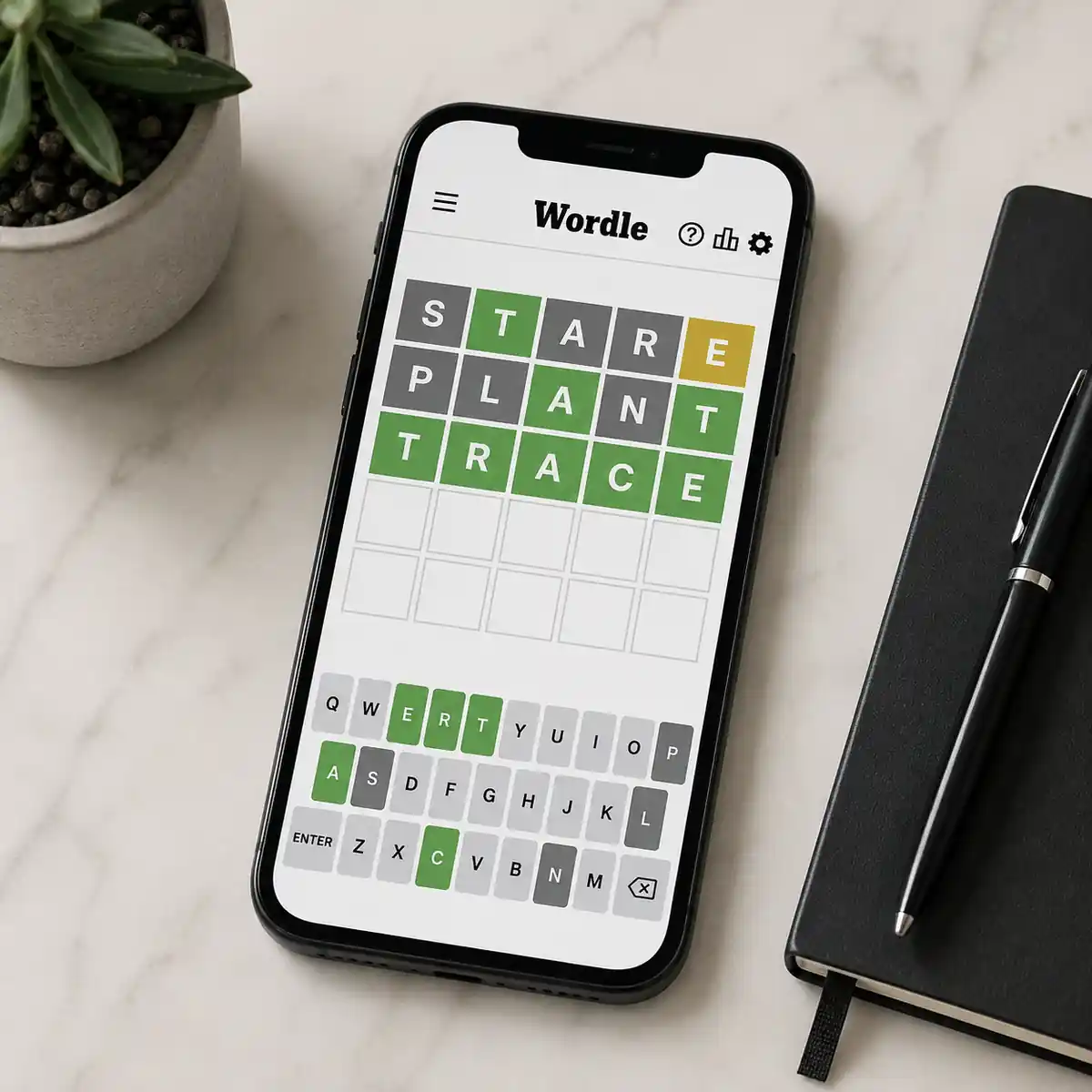
These attempts reveal that the word starts with B, contains repeated vowels
Practice today’s Wordle solution
Today’s Word
Click to reveal
BROOD
The correct answer for Wordle No. 1739 is BROOD.
Brood refers to a group of young animals born at the same time, such as chicks or insects.
It can also be used as a verb meaning to think deeply or worry persistently about something, often in a quiet or moody way.
The puzzle’s difficulty comes from this dual meaning, where players might recognize one usage but overlook the other.
Once key letters like B and the repeated O are identified, the word becomes easier to piece together.

Make Swikblog your go-to source on Google for reliable updates, smart insights, and daily trends.