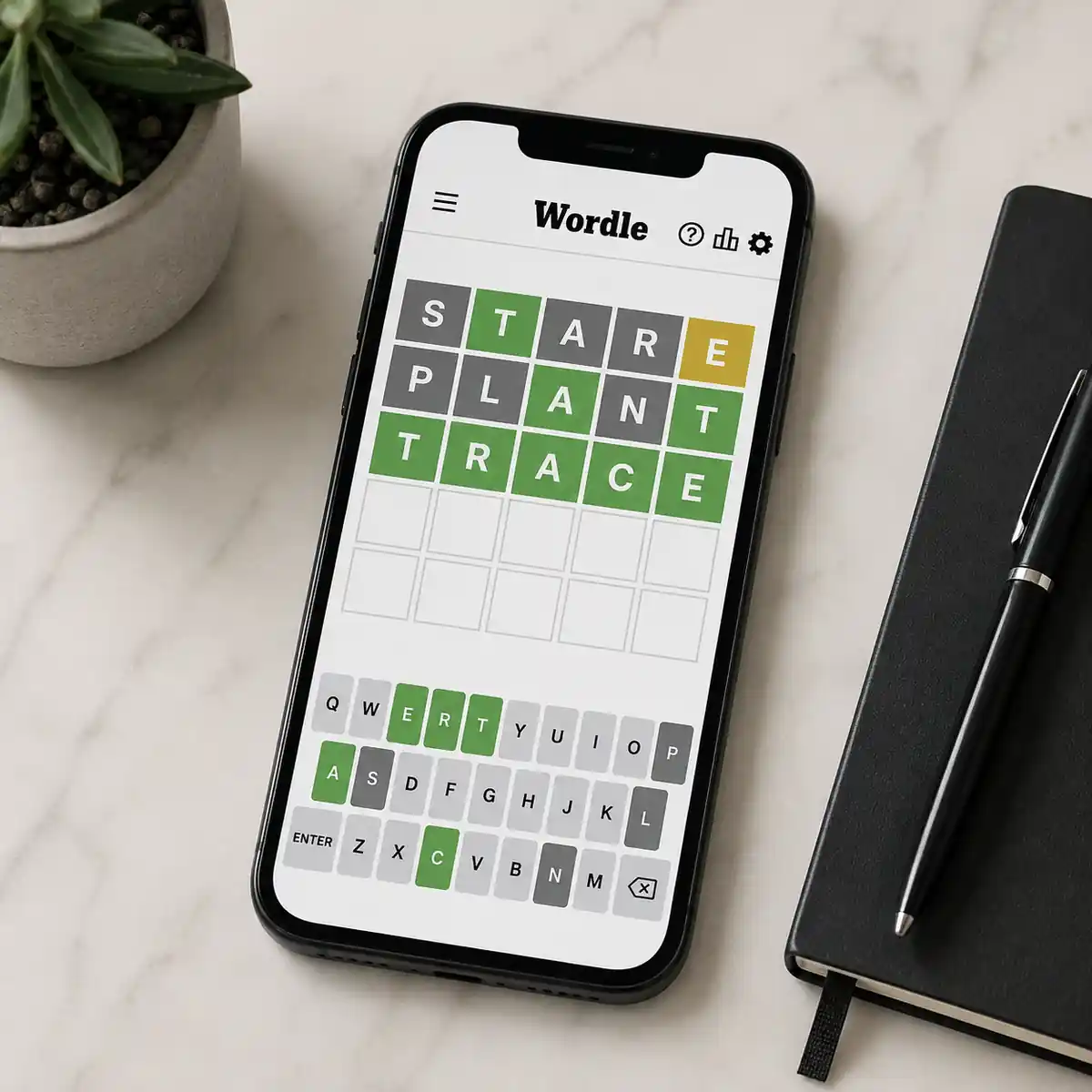
The NYT Wordle puzzle for March 13, 2026 (#1728) offers a clean but slightly deceptive challenge. At first glance the solution looks simple, yet the structure of the word can throw off players who rely heavily on common starting guesses. If you’re working through today’s puzzle, the hints below gradually narrow down the possibilities without immediately giving away the answer.
Play the official puzzle on the New York Times Wordle page. Use the hints below if you need a little help before revealing today’s answer.
Hints for Today’s Wordle
Hint 1: The word relates to food or consumption.
Hint 2: It is the past participle form of a common verb.
Hint 3: The word contains two vowels.
Hint 4: The word ends with the letter N.
Hint 5: The base verb describes the act of taking food into the mouth.
Wordle Strategy Tip
If today’s puzzle felt tricky, it’s because the answer uses a familiar verb in its past participle form. Many Wordle players focus heavily on base verbs or nouns, which can delay recognizing a derived form. Looking at letter combinations like -TEN or -EN endings can sometimes reveal these variations quickly.
Practice Wordle
Answer
Reveal Today’s Wordle Answer
The answer for Wordle #1728 on March 13, 2026 is EATEN.
EATEN is the past participle of the verb “to eat.” The word refers to something that has already been consumed as food. According to Merriam-Webster, the verb means “to take in through the mouth as food; ingest, chew, and swallow.”
Because the word is a grammatical form rather than the base verb itself, it can surprise players who expect simpler dictionary forms in Wordle answers.

Make Swikblog your go-to source on Google for reliable updates, smart insights, and daily trends.