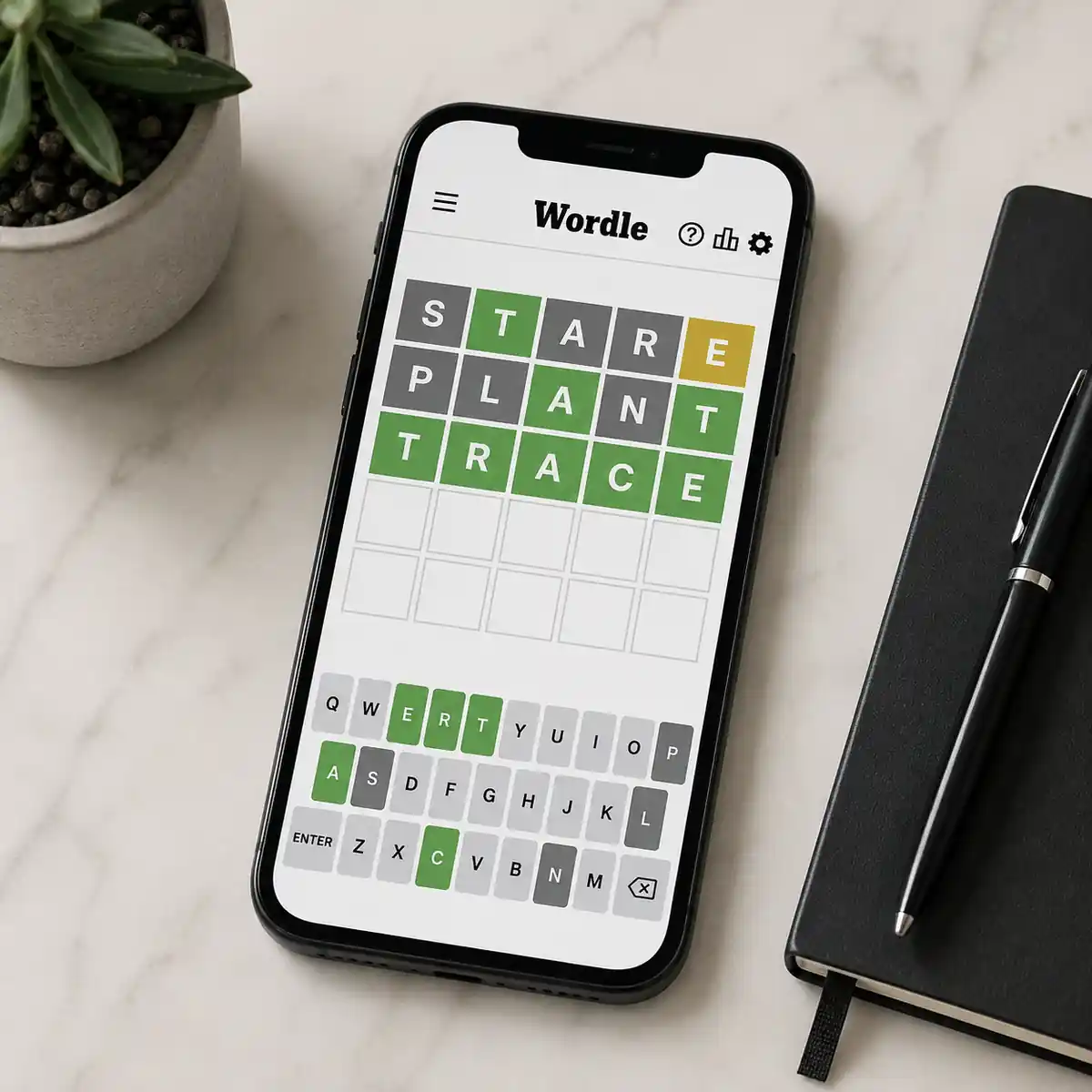
Wordle No. 1703 is dated February 16, 2026. If you’re here for a nudge that keeps the fun intact, you’ll find clear, spoiler-free hints first, and the answer is tucked away in a tap-to-reveal box below. If you’d rather play directly, you can open the official game on The New York Times Wordle page.
Today’s puzzle has a friendly feel, but it can still trap you if you commit too early to the wrong pattern. The letter shapes and sounds want to pull your guesses toward common endings, and that’s where many players end up spending an extra turn or two.
Quick, non-spoiler hints
Given consonant: T
Given vowel: O
Word shape: It’s a five-letter word with a tight, compact rhythm when spoken aloud, and it includes a repeated letter.
Letter behavior: The repeated letter appears back-to-back, which is why many near-misses feel “almost right” on the board.
Vowels: There are two vowels total, and they are the same vowel repeated.
Meaning clue: Think of nighttime routines in the natural world, and also a place where something settles in for rest.
Tone clue: The word can feel cozy in one context and slightly dismissive in another, depending on how it’s used.
If you’re hovering between two candidates, pay attention to whether your best option suggests an action, a location, or both. Today’s solution neatly covers more than one grammatical job, which is a big reason it sits comfortably in the Wordle answer bank.
Practice Wordle
Type a 5-letter guess and check your letters with Wordle-style colors.
Today’s Word — Click to reveal
Answer: ROOST
What it means: ROOST works as both a noun and a verb. As a noun, it can name a resting place where birds settle for the night, often a perch or a sheltered spot. As a verb, it means to settle down for the night or to stay somewhere to rest.
Why it can be tricky: The double O encourages guesses that look similar on the page, and the ending can tempt you into more common patterns before you notice the word’s quieter, more specific meaning. Many boards end up with strong partial matches that don’t quite land until you commit to the repeated vowel.
How it reads in a sentence: “The sparrows returned to their roost at dusk,” or “They roost in the rafters overnight.”
Small linguistic note: Because it functions as both place and action, ROOST often feels like it belongs to a scene rather than an abstract idea, which is part of its charm as a Wordle answer.

Make Swikblog your go-to source on Google for reliable updates, smart insights, and daily trends.