
Forza Horizon 6 finally brings the long-running open-world racing franchise to Japan, and early reviews suggest Playground Games may have delivered the strongest Horizon experience yet. After years of fan requests for Tokyo streets, mountain touge roads and deeper Japanese car culture, the latest entry appears to combine the series’ proven formula with its most detailed and atmospheric setting so far.
The game launches on May 19, 2026, for Xbox Series X|S and PC, while Premium Edition owners can start playing on May 15 through Early Access. A PlayStation 5 release is also planned later this year, marking another major expansion for the Xbox racing franchise.
Forza Horizon 6 arrives during a packed period for Xbox players, following several major Game Pass additions recently highlighted in our Xbox Game Pass May 2026 coverage.
Japan gives Forza Horizon 6 a completely different identity
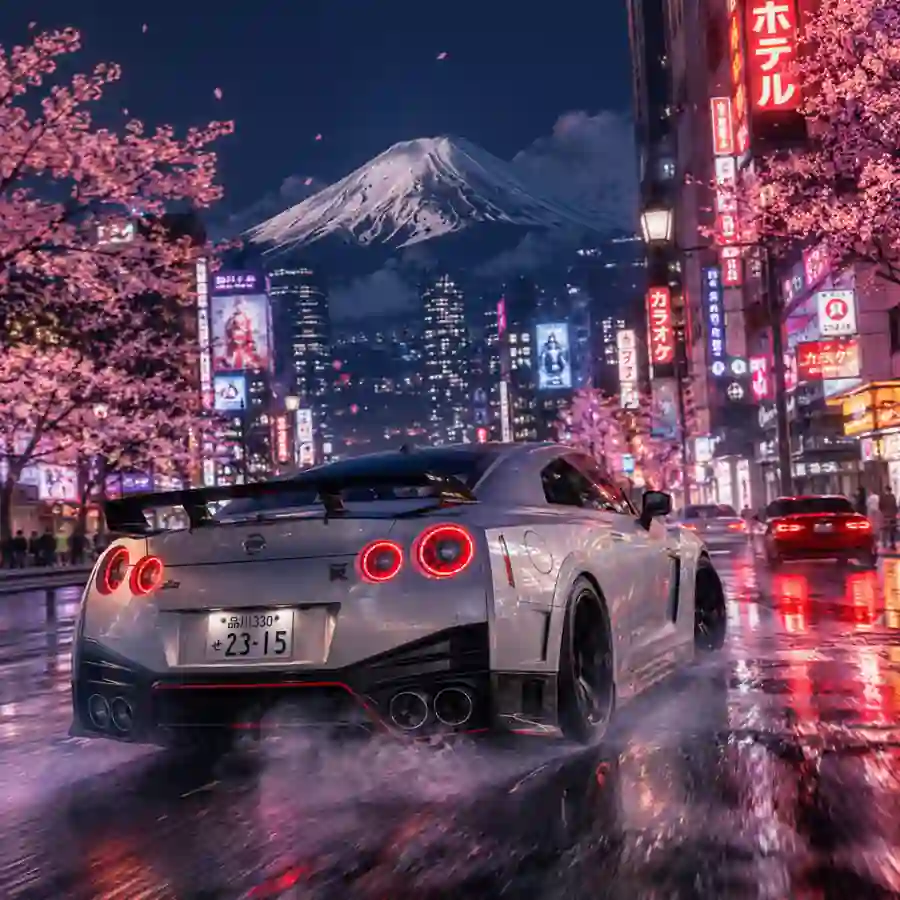
Moving the Horizon Festival to Japan changes more than the scenery. The new world feels built around car culture itself. Early previews and reviews repeatedly highlight how Playground Games captures the contrast between Tokyo’s crowded neon-lit districts and the quieter countryside roads further north.
According to Top Gear’s early review, the map delivers “a proper sense of discovery,” with players moving between dense city environments, snowy mountain regions, ski resorts and scenic rural areas. One highlighted race reportedly takes place around a mountain ski resort during sunset, showing how much emphasis the game places on atmosphere and cinematic driving moments.
Unlike earlier Horizon maps that sometimes focused heavily on wide-open terrain, Japan’s roads naturally encourage tighter racing, technical drifting and more varied driving styles. The inclusion of touge-inspired mountain races appears to be one of the game’s biggest strengths, especially for longtime fans of Japanese street racing culture.
GameSpot’s review also points out how the world feels handcrafted around exploration. Drifting through Shibuya-inspired intersections, racing near bullet trains and cutting through bamboo forests help the map feel more memorable than previous entries. Even players familiar with the series may find the world itself enough reason to return for hundreds of hours.
Read More
New progression systems add more structure
One of the biggest additions in Forza Horizon 6 is its redesigned progression system. Playground Games has divided progression into three separate paths: Wristbands, Stamps and Horizon Play.
Wristbands return as the main Horizon Festival progression mechanic. Players unlock higher-level festival races and tougher events by earning new Wristbands through Road, Dirt, Cross Country, Drag Meets and PR stunt challenges. There are seven Wristbands in total, including the Gold Wristband, which unlocks access to Legend Island and special endgame events like the series’ longest-ever Goliath race.
Stamps focus on exploration and discoveries across Japan. Players earn them by collecting cars, photographing murals, smashing mascots, discovering landmarks and participating in side activities such as food delivery jobs and sightseeing tours with a character named Mei. These Stamps unlock new homes, Barn Find rumors and customization opportunities.
The third progression layer, Horizon Play, focuses entirely on multiplayer. This mode includes online activities such as Spec Racing, Touge Showdown, The Eliminator, Hide & Seek and custom drifting playlists. Horizon Play has its own levelling system and leaderboards, encouraging long-term online competition beyond the standard campaign.
This multi-layered structure is important because it gives different types of players their own goals. Competitive racers, explorers, collectors and multiplayer-focused players all have meaningful progression systems rather than being pushed into one single campaign path.
Driving still feels like the heart of Horizon
Despite all the new systems, the core reason Forza Horizon 6 works appears to be simple: driving remains excellent. Reviews consistently praise the handling model for balancing realism and accessibility.
Players can still heavily customize difficulty settings, turning assists on or off depending on preference. More casual players can use braking assistance or simplified controls, while experienced racing fans can push toward simulation-style handling with realistic damage and manual tuning.
The famous rewind feature also returns, allowing players to instantly undo mistakes during races or exploration. Combined with the game’s forgiving structure, the result is a racing experience designed to feel rewarding instead of punishing.
The car roster launches with around 550 vehicles. While that number is lower than the expanded roster available in Forza Horizon 5 after years of updates, reviews suggest the quality and diversity of the lineup remain strong. Japanese manufacturers naturally play a huge role, with many players expected to spend most of their time in iconic Nissan, Toyota, Mazda, Honda and Subaru models.
Playground Games has also added car meets, streamlined drag racing and curated multiplayer races using identical cars. These additions improve online competition while keeping the social side of Horizon alive.
Not every change is perfect
Although the early response has been overwhelmingly positive, some criticisms have emerged.
The reduced launch car count is one concern among longtime players. Others note that some gameplay systems eventually force players into completing activities like speed traps and PR stunts even if they mainly want to focus on traditional racing events.
GameSpot also mentioned that longtime fans may start noticing parts of the formula becoming predictable. Showcase events still deliver cinematic spectacle, but some veteran players may feel they follow a familiar structure after years with the series.
Even so, most reviews agree that the Japan setting refreshes the experience enough to keep the formula feeling exciting again.
From a technical perspective, Forza Horizon 6 is already being described as one of Xbox’s best-looking games. Detailed car interiors, realistic lighting, changing weather systems and highly detailed roads help make the game feel like a next-generation showcase for both Xbox Series X and modern gaming PCs.
Forza Horizon 6 ultimately succeeds because it understands what players wanted from the series: a beautiful driving playground, rewarding progression and a setting deeply connected to automotive culture. Japan gives the franchise a fresh personality without abandoning the arcade freedom that made Horizon popular in the first place.
If the full release matches the strength of these early reviews, Playground Games may have delivered not only the best Horizon game so far, but one of the defining racing games of this console generation.
Players can learn more about editions, pre-orders and release information through the official Forza Horizon 6 announcement page.

Make Swikblog your go-to source on Google for reliable updates, smart insights, and daily trends.