
Palm Sunday 2026 will be observed on Sunday, March 29, beginning Holy Week, the final week before Easter Sunday on April 5, 2026. For Christians around the world, it marks the moment Jesus Christ entered Jerusalem before His crucifixion and resurrection, making it one of the most significant dates in the Christian calendar.
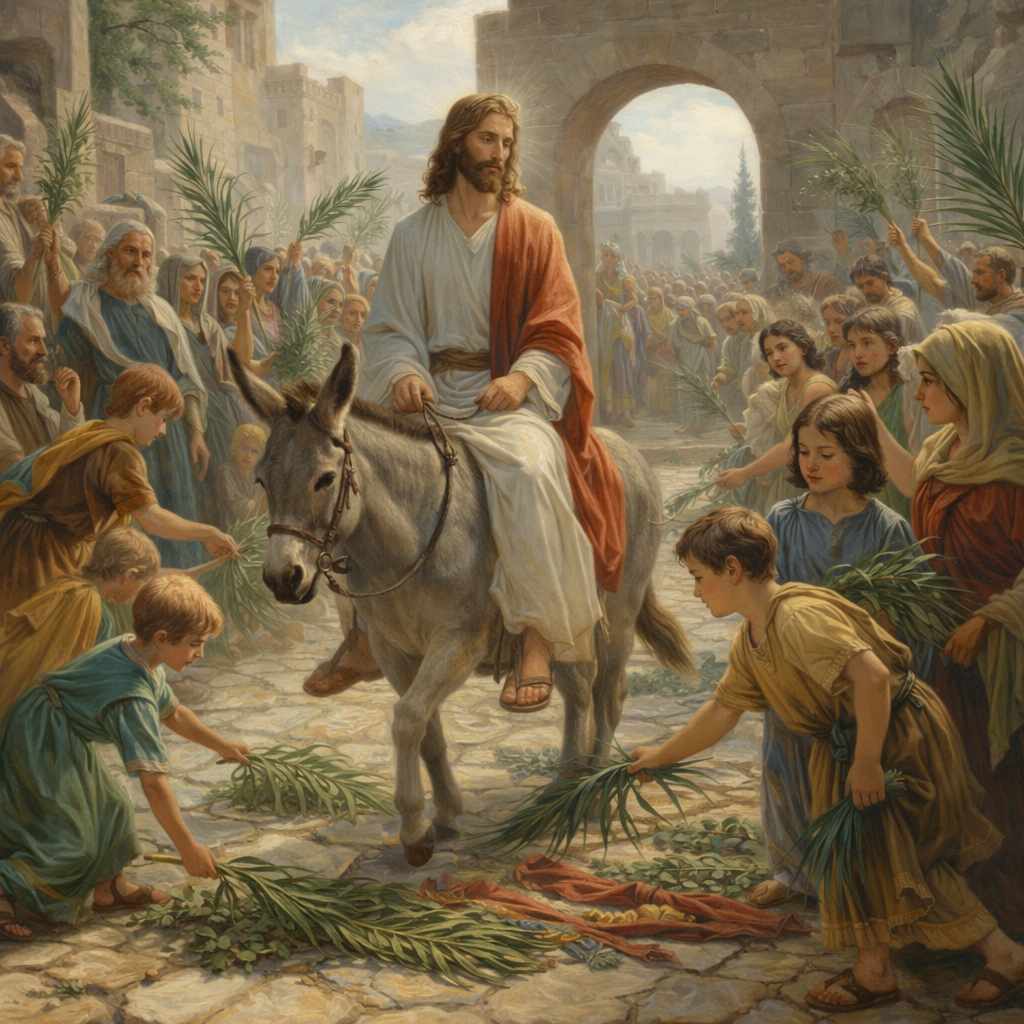
The day remembers the account recorded in the Gospels of Matthew, Mark, Luke and John. Jesus rode into Jerusalem on a donkey, a symbol of humility and peace, while crowds welcomed Him by laying cloaks on the road and waving palm branches. Their celebration recognised Him as the promised Messiah, although the events leading to His death would unfold only days later.
That combination of celebration and reflection gives Palm Sunday its unique place in Holy Week. It begins with joyful worship while preparing believers for the remembrance of Christ’s sacrifice and the hope celebrated on Easter.
Why Palm Sunday matters
Palm Sunday is sometimes referred to as Passion Sunday because it marks the beginning of the final stage of Jesus’ earthly ministry. During church services, many congregations move from celebrating Christ’s arrival in Jerusalem to reading the Passion narrative, which recounts His arrest, trial and crucifixion.
The observance reminds Christians that the path to Easter is not only about celebration but also about faith, sacrifice and forgiveness. The image of Jesus choosing a donkey instead of a horse has long been understood as a sign of peaceful leadership rather than earthly power.
Many churches distribute blessed palm branches during worship. In places where palm leaves are unavailable, branches from olive, willow or other local trees are commonly used while preserving the same symbolism.
Read More
Across the world, Palm Sunday services often begin with processions in which worshippers carry palm branches while singing hymns and prayers. Scripture readings focus on humility, hope and preparation for the events of Holy Week.
Children frequently take part by carrying palms, listening to the Gospel account or making simple crafts that help explain the meaning of the day. In many Christian homes, blessed palm branches are placed near a cross or prayer space until the following year as a reminder of faith.
For many believers, Palm Sunday also encourages personal reflection through prayer, acts of service and quiet preparation before the major observances that follow later in the week.
Palm Sunday traditions around the world
Although the central message remains the same, local customs differ from country to country.
In Spain, large Holy Week processions attract thousands of participants. In the Philippines, many people weave decorative palm branches before taking them to church for blessing. In Italy, palm branches are often shaped into crosses, while many communities across Latin America combine religious ceremonies with outdoor processions that reflect local traditions.
These customs highlight the global reach of Palm Sunday while keeping the focus on the biblical account of Christ’s entry into Jerusalem.
What follows after Palm Sunday?
Palm Sunday opens Holy Week, leading to several important Christian observances. Maundy Thursday on April 2 remembers the Last Supper and Jesus washing His disciples’ feet. The following day, Christians observe Good Friday 2026 on April 3, commemorating the crucifixion of Jesus Christ.
Holy Saturday on April 4 is traditionally observed as a quiet period of prayer and waiting. It is followed by Easter Sunday, when Christians celebrate the resurrection of Jesus.
The complete Easter 2026 and Holy Week calendar helps place Palm Sunday within the wider sequence of Lent, Maundy Thursday, Good Friday and Easter Sunday.
Understanding this timeline explains why Palm Sunday holds such importance. It connects the joyful welcome in Jerusalem with the solemn events and eventual celebration that form the foundation of Christian belief.
A message that continues to resonate
Beyond its place in the religious calendar, Palm Sunday continues to offer a meaningful message about humility, compassion and service. The story presents leadership through peace and sacrifice rather than status or force.
As churches gather on March 29, 2026, Palm Sunday will mark the beginning of Holy Week and invite Christians to reflect on the journey from Christ’s arrival in Jerusalem to the hope celebrated on Easter Sunday.
Palm Sunday 2026 will be observed on Sunday, March 29, beginning Holy Week, the final week before Easter Sunday on April 5, 2026. For Christians around the world, it marks the moment Jesus Christ entered Jerusalem before His crucifixion and resurrection, making it one of the most significant dates in the Christian calendar.
The day remembers the account recorded in the Gospels of Matthew, Mark, Luke and John. Jesus rode into Jerusalem on a donkey, a symbol of humility and peace, while crowds welcomed Him by laying cloaks on the road and waving palm branches. Their celebration recognised Him as the promised Messiah, although the events leading to His death would unfold only days later.
That combination of celebration and reflection gives Palm Sunday its unique place in Holy Week. It begins with joyful worship while preparing believers for the remembrance of Christ’s sacrifice and the hope celebrated on Easter.
Why Palm Sunday matters
Palm Sunday is sometimes referred to as Passion Sunday because it marks the beginning of the final stage of Jesus’ earthly ministry. During church services, many congregations move from celebrating Christ’s arrival in Jerusalem to reading the Passion narrative, which recounts His arrest, trial and crucifixion.
The observance reminds Christians that the path to Easter is not only about celebration but also about faith, sacrifice and forgiveness. The image of Jesus choosing a donkey instead of a horse has long been understood as a sign of peaceful leadership rather than earthly power.
Many churches distribute blessed palm branches during worship. In places where palm leaves are unavailable, branches from olive, willow or other local trees are commonly used while preserving the same symbolism.
Read More
Across the world, Palm Sunday services often begin with processions in which worshippers carry palm branches while singing hymns and prayers. Scripture readings focus on humility, hope and preparation for the events of Holy Week.
Children frequently take part by carrying palms, listening to the Gospel account or making simple crafts that help explain the meaning of the day. In many Christian homes, blessed palm branches are placed near a cross or prayer space until the following year as a reminder of faith.
For many believers, Palm Sunday also encourages personal reflection through prayer, acts of service and quiet preparation before the major observances that follow later in the week.
Palm Sunday traditions around the world
Although the central message remains the same, local customs differ from country to country.
In Spain, large Holy Week processions attract thousands of participants. In the Philippines, many people weave decorative palm branches before taking them to church for blessing. In Italy, palm branches are often shaped into crosses, while many communities across Latin America combine religious ceremonies with outdoor processions that reflect local traditions.
These customs highlight the global reach of Palm Sunday while keeping the focus on the biblical account of Christ’s entry into Jerusalem.
What follows after Palm Sunday?
Palm Sunday opens Holy Week, leading to several important Christian observances. Maundy Thursday on April 2 remembers the Last Supper and Jesus washing His disciples’ feet. The following day, Christians observe Good Friday 2026 on April 3, commemorating the crucifixion of Jesus Christ.
Holy Saturday on April 4 is traditionally observed as a quiet period of prayer and waiting. It is followed by Easter Sunday, when Christians celebrate the resurrection of Jesus.
The complete Easter 2026 and Holy Week calendar helps place Palm Sunday within the wider sequence of Lent, Maundy Thursday, Good Friday and Easter Sunday.
Understanding this timeline explains why Palm Sunday holds such importance. It connects the joyful welcome in Jerusalem with the solemn events and eventual celebration that form the foundation of Christian belief.
A message that continues to resonate
Beyond its place in the religious calendar, Palm Sunday continues to offer a meaningful message about humility, compassion and service. The story presents leadership through peace and sacrifice rather than status or force.
As churches gather on March 29, 2026, Palm Sunday will mark the beginning of Holy Week and invite Christians to reflect on the journey from Christ’s arrival in Jerusalem to the hope celebrated on Easter Sunday.

Make Swikblog your go-to source on Google for reliable updates, smart insights, and daily trends.