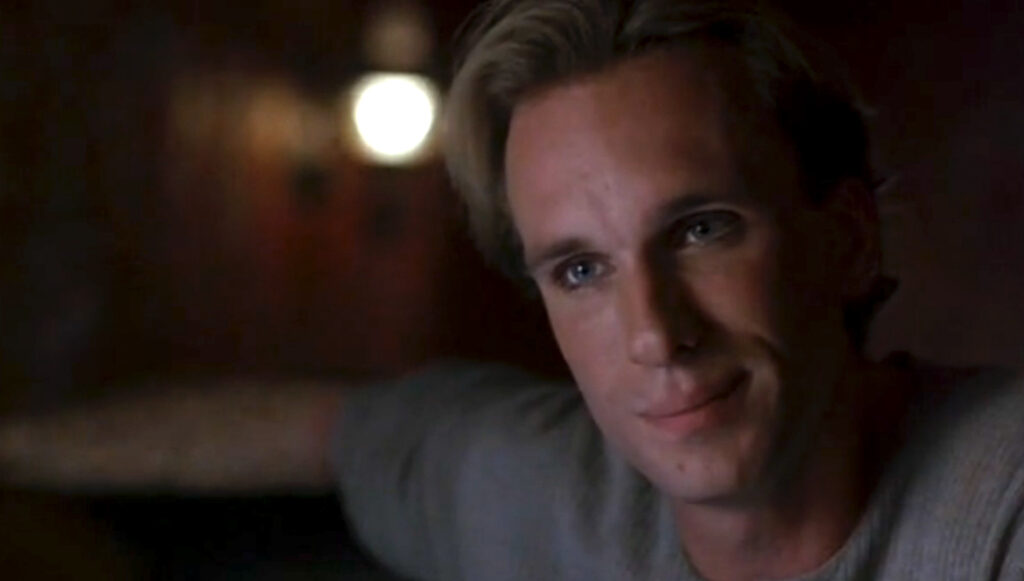

Actor Peter Greene, best known for his chilling performance as Zed in the cult classic film Pulp Fiction, has died at the age of 60. The confirmation comes after hours of online speculation that pushed his name into Google’s trending searches and sparked widespread discussion across social media.
The news of Greene’s death was first widely reported by major U.S. outlets, including NBC News, bringing clarity after a period of uncertainty online.
Greene’s death marks the passing of a performer whose impact far exceeded his screen time. While he was never positioned as a traditional Hollywood leading man, his intense presence and unsettling realism made his performances unforgettable for audiences.
A Career Built on Intensity, Not Fame
Peter Greene rose to prominence during the 1990s, a decade defined by raw, character-driven filmmaking. His breakout role arrived with Pulp Fiction, where his portrayal of Zed became one of the film’s most disturbing and memorable sequences.
Despite appearing briefly, Greene’s performance left a lasting psychological imprint. His restrained delivery and realistic menace turned a short scene into one of the most talked-about moments in modern cinema, securing his place in film history.
That same intensity followed him into other projects. Greene appeared in The Mask, Training Day, and several crime dramas where he often portrayed criminals, enforcers, and morally ambiguous figures. Casting directors relied on him when authenticity mattered more than charisma.
Never a Conventional Hollywood Path
Unlike many actors associated with major films, Greene’s career never followed a predictable trajectory. While his performances were widely respected, he remained largely outside the machinery of celebrity culture.
Rather than chasing fame, Greene became known as a character actor — the kind of performer who elevates a film quietly, without demanding attention. His work resonated deeply with audiences who valued realism over spectacle.
In later years, Greene stepped away from mainstream Hollywood almost entirely. Public appearances were rare, and his life outside acting remained private, adding to the shock many fans felt when news of his death emerged.
Why His Death Sparked Immediate Reaction
News of Greene’s passing triggered a rapid online response, particularly among fans of 1990s cinema. His name trended globally within minutes as clips, screenshots, and quotes from Pulp Fiction resurfaced across social platforms.
For many viewers, Greene’s performances represented a time when films were willing to be uncomfortable and characters felt dangerously real. His death prompted reflection not just on his work, but on an era of filmmaking that prized authenticity.
A Legacy That Endures
Peter Greene’s legacy is defined not by awards or box-office numbers, but by impact. His performances continue to be revisited precisely because they refuse to fade into the background.
In an industry often driven by image and longevity, Greene demonstrated that a single role — when performed honestly — can resonate for decades. His work remains a reference point for filmmakers and audiences who understand the power of subtle menace.
Remembering Peter Greene
As tributes continue to appear, Greene is being remembered as an actor who brought unsettling truth to the screen. He carved out a unique space in cinema history, proving that memorability does not require fame.
Peter Greene is survived by his work — performances that continue to linger, challenge, and remind audiences of the lasting power of authenticity.
You may also like: Why Certain Cultural Figures Leave a Lasting Impact Beyond Fame

Make Swikblog your go-to source on Google for reliable updates, smart insights, and daily trends.