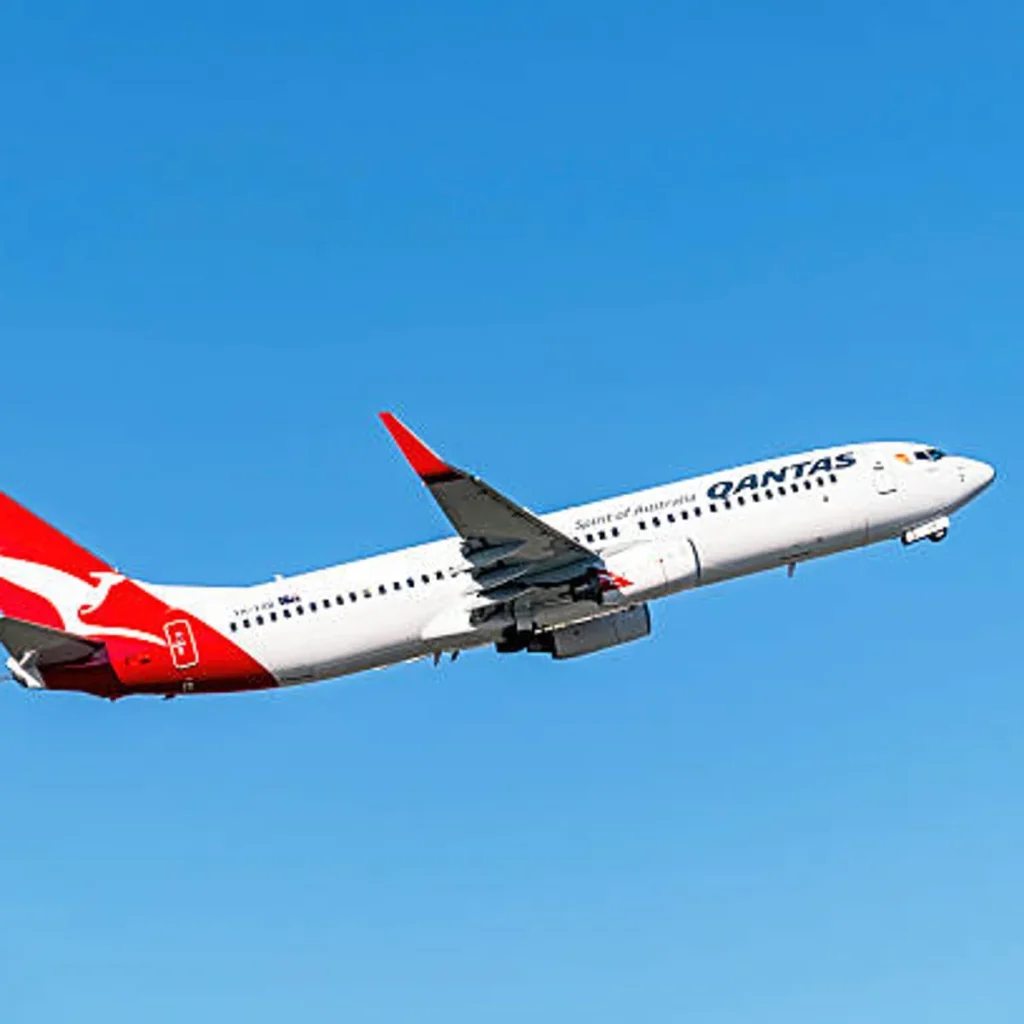

Latest Update — August 23, 2026: Qantas’ Australia Red Tail Sale is currently live, with selected domestic Economy fares starting from $99 one way. The sale is scheduled to end at 11:59pm AEST on Tuesday, August 25, unless allocated sale seats sell out earlier. Selected travel dates extend into August 2027.
Qantas has rolled out a major new domestic flight sale, giving Australians another opportunity to secure cheaper travel for holidays stretching well into 2027.
The airline’s latest Australia Red Tail Sale is live now, with selected one-way Economy fares starting from just $99. The promotion covers destinations across Australia, from major capital cities to regional and holiday markets, but travellers have only a short window to secure the discounted prices.
What’s New in the Latest Qantas Sale?
This is a new promotion rather than an extension of the Qantas sale that ended in April. The latest campaign launched in August and has a much later travel window, making it particularly relevant for Australians planning spring escapes, summer trips or holidays in 2027.
Selected Economy sale fares are available for travel between October 12, 2026 and August 1, 2027, although the exact eligible dates vary depending on the route and fare.
That gives travellers considerably more flexibility than a flash sale aimed only at the next few months.
Where Can You Fly for $99?
The headline price is $99 one way in Economy, with Qantas currently highlighting Sydney to Coffs Harbour at that price.
The wider promotion includes destinations such as Adelaide, Hobart and Alice Springs, alongside numerous other domestic markets.
Not every seat on an eligible route will cost $99. Qantas uses limited sale inventory, meaning the cheapest fare can disappear while more expensive seats remain available on the same flight.
Travellers with flexible dates therefore have a better chance of finding the lowest advertised prices than customers who need to travel on a specific day.
Business Class Is on Sale Too
Qantas has also included Business Class in the promotion. The airline is currently advertising Canberra to Melbourne from $299 one way in Business as one example of the discounted premium fares.
Business prices vary substantially depending on distance and route, so travellers should compare different departure times and dates rather than assuming every service has the same sale price.
Why This Sale Could Matter for 2027 Travel
The biggest advantage of the August promotion may be how far ahead customers can book.
With eligible travel extending into August 2027, the sale gives Australians planning next year’s trips an opportunity to check fares months before departure rather than waiting for another promotion closer to their holiday.
It also gives travellers considering destinations such as Tasmania, South Australia or Central Australia more time to coordinate flights with accommodation and other travel costs.
What Do Qantas Economy Fares Include?
The lowest headline fare should not be compared with a bare airfare alone. On Qantas-operated services, fares generally include checked baggage, food and beverages and inflight entertainment where available.
Those inclusions can matter when comparing the final cost of a Qantas ticket with lower advertised prices from airlines that charge separately for additional services.
Check the Conditions Before Booking
There are several restrictions travellers need to keep in mind.
Sale fares are available only on selected routes, dates and days. Availability is limited, and discounted seats may not appear on every flight. Qantas also says prices can fluctuate if taxes, fees or carrier charges change.
The advertised prices are based on eligible payment methods through Qantas’ website. Different payment methods can attract additional charges, while bookings made through telephone, airport or third-party channels may also cost more.
Travellers should therefore compare the final checkout price rather than relying only on the headline fare.
When Does the Qantas Sale End?
The most important deadline is Tuesday, August 25, 2026.
Qantas says the Australia Red Tail Sale is scheduled to finish at 11:59pm AEST that night, unless the allocated sale seats sell out earlier.
That “unless sold out” condition is particularly important for travellers chasing the cheapest $99 fares. Popular routes and convenient departure times can lose their lowest-priced inventory before the official sale deadline.
Customers interested in travelling should check current fares directly through the Qantas flight sale page and confirm eligible dates, baggage conditions and the final price before completing their booking.
For travellers who already know they want an Australian trip between late 2026 and mid-2027, the latest sale provides another reason to compare fares now rather than waiting until departure gets closer.
Qantas’ latest sale also lands just days after the airline moved to trim parts of its domestic network as fuel pressures intensified. Readers looking for more background on that shift can also read our report on why Qantas cut domestic flights as fuel costs surged.

Make Swikblog your go-to source on Google for reliable updates, smart insights, and daily trends.