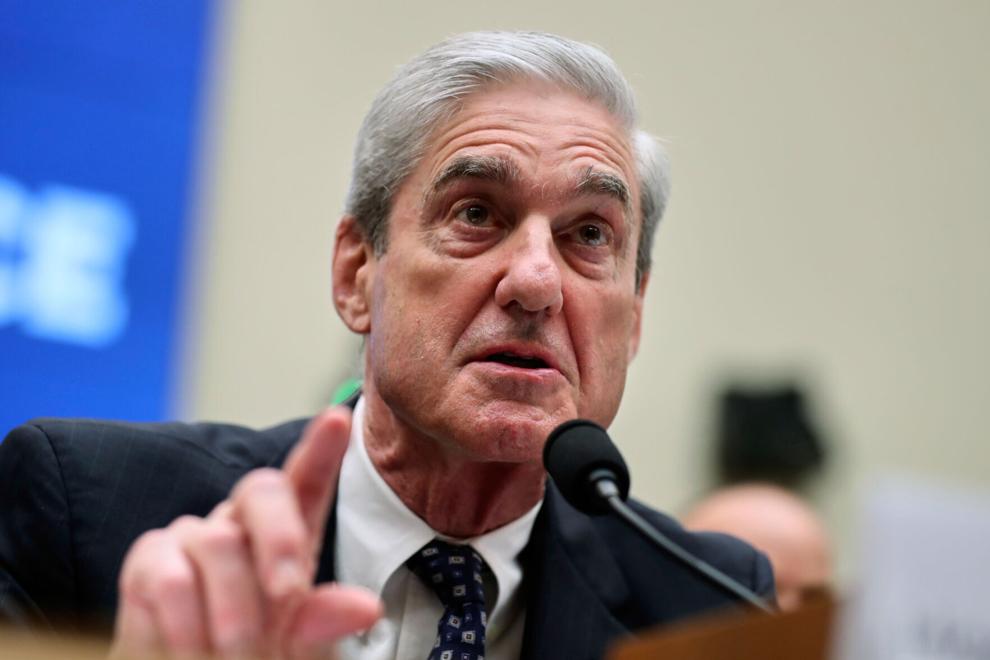

Robert Mueller, the former FBI Director who led one of the most politically explosive investigations in modern U.S. history, has died at the age of 81. His passing marks the end of a decades-long career that reshaped the FBI after 9/11 and placed him at the center of the Trump-Russia controversy that dominated American politics for years.
Mueller’s family confirmed his death, though they did not publicly disclose the exact cause. However, reports indicate he had been diagnosed with Parkinson’s disease in 2021. News of his death quickly spread across major outlets, triggering reactions from political leaders, media, and the public alike.
From 9/11 to FBI Transformation
Robert Mueller became FBI Director on September 4, 2001 — just days before the devastating 9/11 terrorist attacks. The timing would define his legacy. In the aftermath of the attacks, Mueller led a sweeping transformation of the FBI, shifting its primary focus from traditional crime-solving to counterterrorism and intelligence gathering.
Under his leadership, the FBI evolved into a modern national security agency. He oversaw structural reforms, expanded intelligence capabilities, and pushed coordination with agencies like the CIA. His tenure, which lasted until 2013, became one of the longest in FBI history and is widely credited with reshaping how the U.S. handles domestic and international threats.
At the same time, his era was not without controversy. FBI counterterrorism operations during this period raised concerns about surveillance, civil liberties, and the balance between security and privacy — debates that continue even today.
The Trump-Russia Investigation That Defined an Era
While Mueller had already built a strong legacy, he returned to the national spotlight in 2017 when he was appointed Special Counsel by the Justice Department. His mission: investigate Russian interference in the 2016 presidential election and examine potential ties between Donald Trump’s campaign and Russia.
The investigation lasted nearly two years and became one of the most closely watched probes in U.S. history. Mueller’s report confirmed that Russia had interfered in the election through cyber operations and disinformation campaigns.
However, the report stopped short of establishing a criminal conspiracy between Trump’s campaign and Russia. On the issue of obstruction of justice, Mueller took an unusual stance — he did not exonerate Trump, but also did not formally accuse him of a crime.
This conclusion fueled intense political debate. Supporters of Trump argued it cleared him, while critics said the findings raised serious concerns that were never fully resolved due to legal constraints on prosecuting a sitting president.
For more context on the investigation, readers can review the official Justice Department announcement of Mueller’s appointment.
Trump’s Reaction Sparks Controversy
Even in death, Mueller’s legacy remains politically charged. Following news of his passing, former President Donald Trump reportedly made a controversial statement on social media, saying he was “glad” Mueller was dead and that he could no longer “hurt innocent people.”
The remark has already sparked backlash and reignited debates about the long-running tensions between Trump and Mueller, which defined much of the political landscape during the late 2010s.
A Career Built on Discipline and Service
Beyond politics, Mueller was widely known as a disciplined and reserved public servant. A decorated Marine veteran of the Vietnam War, he later built a career as a federal prosecutor before rising through the ranks of the Justice Department.
He was often described as a “by-the-book” leader — methodical, serious, and deeply committed to institutional integrity. This reputation helped him maintain credibility across party lines, even as the political environment around him became increasingly polarized.
Mueller also played a key role in exposing internal concerns during the post-9/11 era. FBI agents under his leadership were among the first to raise alarms about abuses in CIA detention programs, highlighting his complicated but important role in national security oversight.
Why Robert Mueller’s Death Matters Today
Mueller’s death is more than just the passing of a former official — it marks the loss of a figure who stood at the intersection of national security, law enforcement, and political accountability during some of the most critical moments in recent U.S. history.
He helped reshape the FBI after one of the worst attacks on American soil, and later led an investigation that tested the limits of presidential power and the justice system itself.
His legacy remains complex. To some, he was a symbol of integrity and institutional strength. To others, he represented a system that failed to deliver clear accountability. But few would argue that his impact was anything less than historic.
As more reactions emerge, Mueller’s life and work will continue to be debated, analyzed, and remembered. For a deeper report on his passing, see the Associated Press coverage of Robert Mueller’s death.

Make Swikblog your go-to source on Google for reliable updates, smart insights, and daily trends.