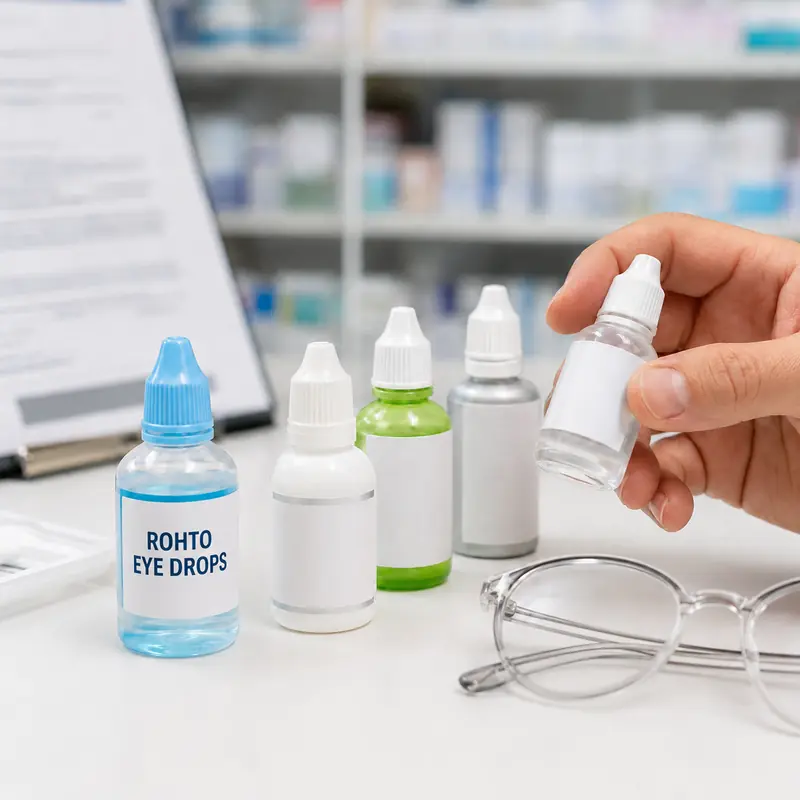

More than 12 million bottles of Rohto over-the-counter eye drops are covered by a nationwide recall after regulators cited a “lack of assurance of sterility.” Consumers should check the product name, NDC, lot code and expiration date before using another dose.
Rohto-Mentholatum initiated the voluntary recall on July 14, 2026. The US Food and Drug Administration classified it as a Class II recall on July 23, meaning exposure could cause temporary or medically reversible health effects, while the probability of serious consequences is considered remote.
Rohto eye drops recall at a glance
- Quantity: 11,960,623 cartons containing 12,460,649 bottles
- Reason: Lack of assurance of sterility
- Distribution: Nationwide across the United States
- Manufacturer: Rohto-Mentholatum (Vietnam) Co., Ltd.
- US distributor: The Mentholatum Company, Orchard Park, New York
- Recall initiated: July 14, 2026
- FDA classification: Class II on July 23, 2026
Which Rohto eye drops are recalled?
The action covers selected lots of six Rohto formulations across eight packaging entries:
- Rohto Cool Relief – 13 mL, NDC 10742-8141-1
- Rohto All-in-One – 13 mL, NDC 10742-8146-1
- Rohto Max Strength – 13 mL single pack, NDC 10742-8158-1
- Rohto Max Strength – 13 mL twin pack, NDC 10742-8158-2
- Rohto Optic Glow – 13 mL, NDC 10742-8160-1
- Rohto Digi-Eye – 13 mL, NDC 10742-8175-1
- Rohto Dry Aid – 10 mL single pack, NDC 10742-8162-1
- Rohto Dry Aid – 10 mL twin pack, NDC 10742-8162-2
Max Strength and Dry Aid appear twice because their single- and twin-pack versions are counted separately. This explains why reports may refer to six formulations or eight product entries.
Active ingredients in the affected products
The recalled formulations contain different combinations of lubricants and redness-relief ingredients. All-in-One contains hypromellose, tetrahydrozoline HCl and zinc sulfate. Max Strength contains naphazoline hydrochloride and polysorbate 90, while Optic Glow contains naphazoline hydrochloride, povidone and propylene glycol.
Digi-Eye contains hypromellose and tetrahydrozoline HCl. Dry Aid uses povidone and propylene glycol, while Cool Relief contains naphazoline hydrochloride and polysorbate 80. Consumers should therefore verify the complete product name instead of relying only on the Rohto branding.
Lot numbers and expiration dates
The recall includes numerous lots manufactured in Vietnam between 2023 and March 2026. Listed expiration dates range from July 2026 through February 2029, meaning unopened and recently purchased products may be affected.
The complete lot-by-lot appendix is available in the official Rohto product recall notice. The lot code and expiration date may be printed on the bottle or outer carton, so both should be retained until the product is verified.
Where were the recalled drops sold?
The products were distributed nationwide. Reports identify the Rohto Eye Drops online store and Kroger among the sellers, but affected bottles may have been available through other retailers. A purchase from a different store does not by itself rule out inclusion in the recall.
What does lack of sterility assurance mean?
Eye drops must be manufactured and sealed under tightly controlled sterile conditions because they are applied directly to the eye. The recall does not establish that every bottle contains bacteria or fungi. It means the manufacturer cannot guarantee that all affected units met required sterility safeguards.
This action is separate from the earlier prednisolone eye drop recall involving a possible foreign substance. That recall covered about 2.53 million bottles of a prescription steroid, while the Rohto action involves non-prescription products and a sterility-assurance issue.
Possible symptoms and reported reactions
No related adverse reactions had been reported in the information available when the recall became public. Consumers should nevertheless watch for worsening redness, pain, swelling, discharge, persistent irritation, sensitivity to light or changes in vision.
Anyone experiencing unusual symptoms after using an affected bottle should contact an eye-care professional. Severe pain, sudden vision changes or rapidly worsening symptoms require urgent medical attention.
Medication recalls can involve very different hazards. A separate cetirizine recall covering four affected lots, for example, concerned possible cross-contamination with ranitidine rather than a sterility problem.
Read More
What should consumers do?
Stop using the drops while checking the formulation, package size, NDC, lot number and expiration date. If the information matches the recall notice, contact the retailer or manufacturer for return, disposal or refund instructions. The enforcement information does not specify a single nationwide refund process, so retailer policies may differ.
Do not share the bottle, transfer its contents to another container or continue using it because the liquid appears normal. Microbial contamination may not cause a visible change. People who need ongoing eye treatment should ask a pharmacist, optometrist or ophthalmologist about a suitable replacement.
Suspected adverse reactions or product-quality problems can be submitted through the FDA MedWatch program. Consumers should keep the bottle, carton and purchase information available when seeking medical advice or reporting a problem.
Why reports show different recall totals
Some headlines refer to nearly 12 million recalled products, while others report more than 12 million bottles. Both figures come from different counting methods: 11,960,623 cartons are included, but those cartons hold 12,460,649 bottles because certain products were sold as twin packs.

Make Swikblog your go-to source on Google for reliable updates, smart insights, and daily trends.