
A nationwide FDA recall involving a commonly prescribed blood pressure medication is drawing attention to an often-overlooked part of drug manufacturing: whether a tablet delivers medicine the way it is supposed to.
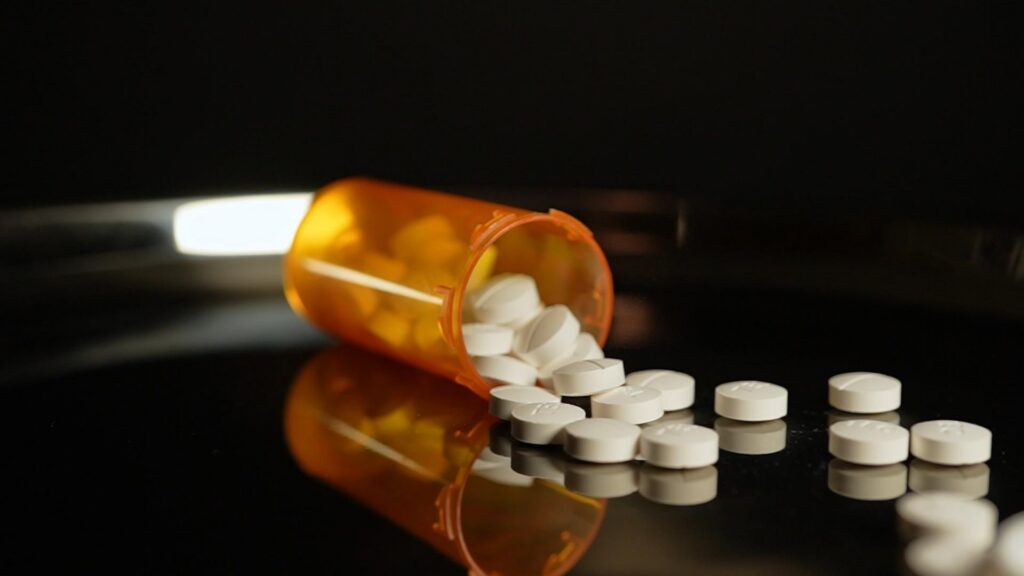
The U.S. Food and Drug Administration has recalled 11,460 bottles of Chlorthalidone Tablets USP, 25 mg, after the product failed dissolution specifications during quality testing. While the issue does not involve contamination or foreign materials, regulators say the tablets may not release the medication properly, potentially affecting how well the drug works for patients managing high blood pressure.
The recall affects products distributed across the United States and highlights how manufacturing quality standards continue to play a critical role even after medicines reach pharmacies.
Which Chlorthalidone Tablets Are Included in the Recall?
The recalled medication includes Chlorthalidone Tablets USP, 25 mg packaged in both 100-tablet and 1,000-tablet bottles.
According to the recall notice, the affected lot numbers are:
RISA24001 — 100-tablet bottles
RISB24002 — 1,000-tablet bottles
Both recalled lots have an expiration date of April 2027.
The medication was manufactured by Inventia Healthcare Limited in India and distributed by Rising Pharma Holdings, Inc. in East Brunswick, New Jersey.
Why Dissolution Testing Is Important
Most patients assume that if a pill contains the correct ingredients, it will work as expected. However, pharmaceutical quality standards go beyond ingredient accuracy.
Dissolution testing measures how quickly and effectively a tablet breaks down and releases its active ingredient when exposed to liquid. The test is designed to simulate conditions inside the human body and helps ensure patients receive the intended dose.
When a product fails dissolution specifications, regulators become concerned that the medication may not provide the expected therapeutic effect. In the case of blood pressure medicine, reduced effectiveness could make it harder for some patients to keep hypertension under control.
High blood pressure remains one of the most common chronic health conditions worldwide. According to the Mayo Clinic, uncontrolled hypertension can increase the risk of heart disease, stroke and other cardiovascular complications.
FDA Classified the Recall as Class II
The FDA designated the action as a Class II recall. This classification is used when exposure to a recalled product may cause temporary or medically reversible adverse health consequences, or when the chance of serious health consequences is considered relatively low.
Although Class II recalls are not the agency’s highest-risk category, they still indicate that a product failed to meet required quality standards and should be removed from distribution.
For patients taking Chlorthalidone, the classification means the primary concern is reduced effectiveness rather than immediate severe harm.
Part of a Larger Pattern of Blood Pressure Drug Recalls
The Chlorthalidone recall follows another blood pressure medication recall announced in May.
Last month, more than 15,000 bottles of Amlodipine and Olmesartan Medoxomil tablets were recalled after failing dissolution specifications. That recall was also categorized as a Class II action.
While the products involve different manufacturers and medications, both recalls point to the same issue: ensuring that tablets release medicine consistently after they are taken.
The latest action arrives at a time when consumers are paying increased attention to medication quality, manufacturing oversight and health and wellness developments that may affect long-term treatment plans.
Read More
What Patients Should Do Now
Patients currently taking Chlorthalidone Tablets USP, 25 mg should review the lot number listed on their prescription bottle. Those who find lot numbers RISA24001 or RISB24002 should contact their pharmacist or healthcare provider for guidance.
Healthcare professionals generally advise patients not to stop taking blood pressure medication without consulting a doctor. Abruptly discontinuing treatment can create health risks, particularly for individuals who rely on medication to manage chronic hypertension.
For most patients, the immediate priority is simply verifying whether their medication is included in the recall and discussing replacement options if necessary. The broader takeaway is that drug safety extends beyond approval and continues through ongoing manufacturing inspections, quality testing and regulatory monitoring designed to protect public health.

Make Swikblog your go-to source on Google for reliable updates, smart insights, and daily trends.