A New Zealand mother’s long search for her missing son has ended in the most painful kind of answer, after DNA testing confirmed that remains found on an offshore Coromandel island belonged to Waihī father of three Samuel McAlister.
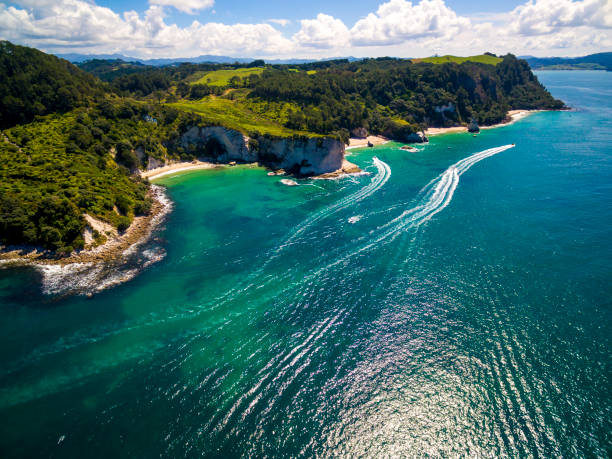
McAlister, 25, vanished in September 2023 while kayak fishing on the Firth of Thames. Nearly three years later, his mother, Haidee Ainsley, said the confirmation brought a flood of grief, relief and heartbreak after years of prayers, uncertainty and unanswered questions.
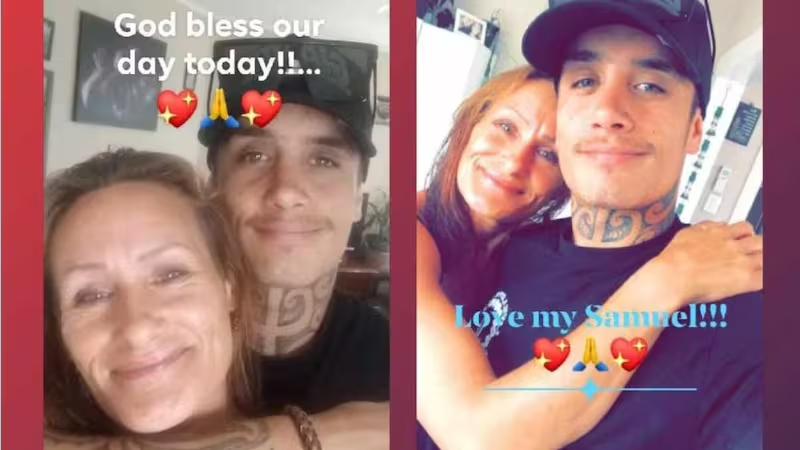
“Samuel, my beautiful boy, Mama finally found you,” she wrote in a message shared after the DNA result confirmed the remains were his.
The case has carried deep emotional weight in New Zealand because it began as a desperate water search and became a long wait for identification. Similar maritime tragedies have drawn national attention before, including search efforts covered in Swikblog’s report on the Interislander ferry man overboard incident in Cook Strait, where rough seas and timing also shaped the urgency of the response.
The day Samuel McAlister disappeared
McAlister went missing on Monday, September 11, 2023, while kayak fishing with a friend off Thames Coast Road, north of the Waikawau Boat Ramp. The pair were on the Firth of Thames when conditions worsened and McAlister lost his paddle.
His friend tried to tow him, but the effort failed as the sea became rougher. He then tied McAlister to a mussel buoy and went for help. By the time he returned with a boat, McAlister and his kayak were gone.
Police, Coastguard and search-and-rescue volunteers launched a multi-day search across the area. McAlister’s kayak later washed ashore, but there was no sign of him. For his family, that discovery only sharpened the uncertainty: something had been found, but Samuel had not.
McAlister had turned 25 just one day before he disappeared. He was a father to three children, Rhythm, Kahu and Amiyah, and his family remembered him as someone full of warmth, humour and life.
A rāhui was placed over part of the coastline during the search by Ngāti Tamaterā, reflecting the seriousness of the incident and the cultural significance of the waters and surrounding land. The search remained active for days, but eventually the family was left facing the long silence that follows when a person is missing and no clear answer comes.
Remains found on Motukaramarama Island
The breakthrough came in January 2026, more than two years after McAlister disappeared. A man sailing around New Zealand had moored his boat in a bay off Motukaramarama Island, also known as Bush Island, and taken his dog ashore for a walk.
On the uninhabited island, part of the Motukawao Islands group in the Hauraki Gulf, he found human skeletal remains scattered among rocks and immediately notified police.
Police located the remains the following day and began a recovery and examination process. Early forensic assessments by specialists found it was highly possible the remains belonged to McAlister, but the family still had to wait for DNA testing before the identification could be confirmed.
That wait lasted months. Ainsley said the time between being told the remains might be Samuel’s and receiving the final DNA result was exhausting in ways that were difficult to explain. Everyday life continued, but underneath it was the constant emotional weight of waiting for the answer that could change everything.
The island itself is remote and environmentally significant. The Department of Conservation describes Motukaramarama/Bush Island as part of the Motukawao Islands, an area recognised for its natural character and wildlife, including an important breeding site for Australasian gannets. The location adds another layer to the story: a quiet, offshore place where a family’s long search finally reached its answer through chance, persistence and forensic work.
For readers following cases where identification comes only after long forensic delays, Swikblog has also reported on another case in which human remains were identified after 26 years through DNA testing, showing how modern forensic science can bring answers even after years of uncertainty.
DNA result brings a painful answer
DNA testing later confirmed the remains were a match to McAlister’s father, Jamie. In missing-person cases involving skeletal remains, comparison with a close biological relative can help confirm identity when there is no direct sample from the missing person available.
For Ainsley, the result brought everything crashing in at once.
She described crying in a way only a mother who has lost a child could understand, saying it felt as though every prayer, every sleepless night, every unanswered question and every ounce of heartache had finally found release.
There was relief in knowing. There was devastation in what that knowing meant. The confirmation did not remove the grief, but it ended the particular torment of not knowing where her son was.
Police said the remains had been forensically examined by a pathologist and that DNA testing had been completed. Relieving Waikato District Criminal Investigations Manager, Provisional Inspector Stephen Ambler, said police were thinking of McAlister’s family during a difficult time and were pleased they had received some closure.
McAlister’s death has been referred to the coroner. In New Zealand, the coronial process examines the circumstances of certain deaths, including when, where and how a person died, and whether any broader lessons may be identified. The role of the New Zealand Coroners Court is especially important in cases where the circumstances are sudden, unexplained or require formal review.
A sacred decision for the family
After learning more about the island, McAlister’s family decided against a second recovery operation. Ainsley said the family had been told the island was an urupā, a Māori burial ground traditionally treated as sacred and not to be disturbed.
That decision added another emotional and cultural layer to the family’s grief. Ainsley said it would be wrong to dig the land, and that the island would now always be sacred to the family as well.
The choice was not simple. Families often want to bring home as much of a loved one as possible, especially after a long disappearance. But in this case, respect for the land and its significance became part of how the family chose to honour McAlister.
It is a detail that makes the story more than a missing-person update. It is also a story about grief, faith, tikanga, family memory and the difficult decisions that can follow even after answers arrive.
New Zealand has seen other difficult search-and-rescue cases at sea and around its coastline, including Swikblog’s coverage of the Amaltal Mariner crew member missing overboard off New Zealand, where distance, conditions and time all shaped the response.
Samuel McAlister remembered by his family
McAlister is survived by his three children, Rhythm, Kahu and Amiyah; his mother, Haidee; his father, Jamie; and his siblings Nikita, Tanson, Tyrone and Mathew.
His mother’s message to his children was filled with love and reassurance. She told them their father was loved beyond measure and missed every day, and that the family would continue to honour him and carry his memory forward together.
Even with the DNA confirmation, Ainsley said the grief remains raw. There are still moments when it feels as fresh as it did at the beginning, but she said her faith continues to carry her through the pain.
She also thanked everyone who prayed, searched, supported the family, hoped with them and stood beside them over the past years. The kindness, she said, meant more than people would ever know.
For the family, the search is no longer a question of where Samuel is. It has become the beginning of another kind of mourning: one with answers, but still full of absence.
“Mama finally found you” is the line that will stay with many who followed the case. It holds the heartbreak of a mother’s loss, the endurance of a family that never stopped waiting, and the quiet closure that came from a remote island after nearly three years of uncertainty.

Make Swikblog your go-to source on Google for reliable updates, smart insights, and daily trends.