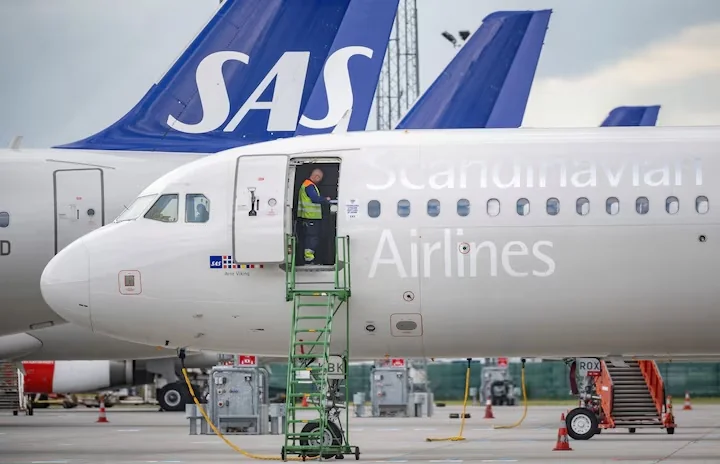

SAS Airline is moving into a new growth phase with a firm order for 18 Airbus A330-900 jets, a long-haul fleet decision that signals confidence after years of restructuring, financial pressure and post-pandemic recovery.
The Scandinavian carrier says the aircraft are part of a broader fleet renewal plan covering up to 40 long-haul aircraft and an investment package valued at about $10 billion. The deal matters for travelers because it could reshape SAS’ international network, increase capacity on major routes and strengthen Copenhagen Airport as a Northern European hub.
SAS makes a major long-haul fleet bet
The order was confirmed in Copenhagen, where SAS CEO Anko van der Werff and Airbus Commercial Aircraft sales executive Benoît de Saint-Exupéry signed the agreement. Under the firm order, SAS will take 18 Airbus A330-900 aircraft, the latest-generation version of the A330 widebody family.
The official Airbus statement said the new aircraft will support SAS’ international expansion by adding capacity to existing high-demand routes and helping the airline introduce new global services.
Why this order is important for SAS
This is not just a routine aircraft purchase. SAS has described the wider plan as its most significant fleet modernization in decades. The airline, founded in 1946 through the combination of the national carriers of Denmark, Norway and Sweden, has spent recent years trying to lower costs and rebuild demand while competing with aggressive low-cost rivals.
The company emerged from Chapter 11 bankruptcy protection two years ago after restructuring more than $2 billion in debt, adjusting its fleet and moving forward under new ownership. Air France-KLM is among the owners of the reshaped airline, giving SAS a stronger platform as it looks beyond survival and back toward expansion.
The timing also stands out because the airline sector remains under pressure from fuel costs, aircraft delivery delays and route disruption linked to geopolitical instability. In that environment, newer and more efficient aircraft can make a direct difference to margins.
What the Airbus A330neo brings to the airline
The Airbus A330-900 is designed for long-haul flying and is powered by Rolls-Royce Trent 7000 engines. Airbus says the aircraft can fly up to 8,100 nautical miles, or about 15,000 kilometers, without stopping.
For SAS, that range opens up flexibility across transatlantic services, long-distance leisure routes and future growth markets. The aircraft can be used where the airline needs a widebody jet with lower operating costs but enough range to connect Scandinavia with major global destinations.
Airbus says the A330neo delivers about 25% lower fuel burn, CO2 emissions and operating costs compared with previous-generation competitor aircraft. That efficiency is central to the SAS plan because fuel remains one of the biggest expenses for long-haul airlines.
The aircraft also fits the industry’s gradual shift toward lower-emission operations. The A330 family can already operate with up to 50% Sustainable Aviation Fuel, while Airbus is targeting 100% SAF capability by 2030.
The wider $10 billion fleet plan
The headline order is for 18 firm Airbus A330-900 jets, but SAS has described the broader investment as covering up to 40 long-haul aircraft. That wider number includes new aircraft, future options and additional capacity being brought in to support growth before all new jets arrive.
SAS has also said it will add an unspecified number of Airbus A330-300 aircraft, an older out-of-production model, while waiting for the A330neo deliveries. This gives the airline a bridge fleet that can support expansion sooner instead of waiting years for every new aircraft to enter service.
There was some confusion around the size of the package because Rolls-Royce referred to 20 new A330neo aircraft plus options for another 10. The clearest confirmed figure from Airbus is the firm order for 18 A330-900 jets, while SAS’ broader $10 billion plan includes a larger long-haul renewal program.
Copenhagen Airport sits at the center of the strategy
SAS is tying the fleet upgrade to a major expansion at Copenhagen Airport through 2030. The airline says its plan could support an additional 25,000 jobs and contribute about 25 billion Danish crowns to Denmark’s GDP by the end of the decade.
For passengers across Scandinavia, the practical impact could be more international connections through Copenhagen, improved long-haul schedules and newer aircraft on selected routes. For Denmark, the plan strengthens Copenhagen’s role as a gateway between Northern Europe and the rest of the world.
SAS is rebuilding after a difficult period
The order follows a meaningful financial turnaround. SAS recorded an operating profit of 3 billion Swedish crowns in 2025, compared with an operating loss of 2.1 billion crowns in 2024. That improvement gives the airline more room to invest, although the cost of aircraft, fuel and financing will remain important risks.
The long-haul investment also follows SAS’ earlier order for 55 Embraer regional aircraft, valued at around $4 billion. Together, the two deals suggest the airline is rebuilding both sides of its network: regional feeder traffic and international widebody operations.
That mix is important because long-haul routes need strong connecting traffic to stay profitable. Smaller regional aircraft can bring passengers into hubs such as Copenhagen, while larger widebody aircraft carry them onward to global destinations.
Read More
Why Airbus won the widebody contest
SAS had been evaluating widebody options as part of its fleet planning. By choosing the Airbus A330neo, the airline keeps strong commonality with its existing Airbus operations and avoids adding unnecessary complexity to pilot training, maintenance and spare parts planning.
Airbus also benefits from a familiar customer strengthening its commitment to the A330 family. By the end of May 2026, the A330 family had won more than 1,950 orders from 133 customers worldwide, giving SAS a widely used platform rather than an untested aircraft type.
What this means for travelers
Passengers should not expect all changes immediately. Widebody aircraft orders are delivered over time, and airlines usually confirm specific routes closer to the aircraft’s entry into service.
The key questions now are which long-haul routes receive the A330neo first, how quickly Copenhagen’s hub expansion develops and whether SAS uses the aircraft mainly to boost existing services or launch new destinations.
The deal also comes as airline fortunes are moving in different directions. While some smaller carriers have faced bankruptcy, grounded aircraft and cancelled routes, SAS is using its post-restructuring position to invest in a larger and more efficient future. For readers following wider route and airline changes, this related travel news coverage adds more context on the shifting aviation market.
SAS still has to execute the plan carefully. Aircraft deliveries, fuel prices, passenger demand and global travel disruption will all shape the final outcome. But the Airbus A330neo order makes one thing clear: SAS is no longer just repairing its balance sheet. It is preparing to compete again on long-haul flying.

Make Swikblog your go-to source on Google for reliable updates, smart insights, and daily trends.