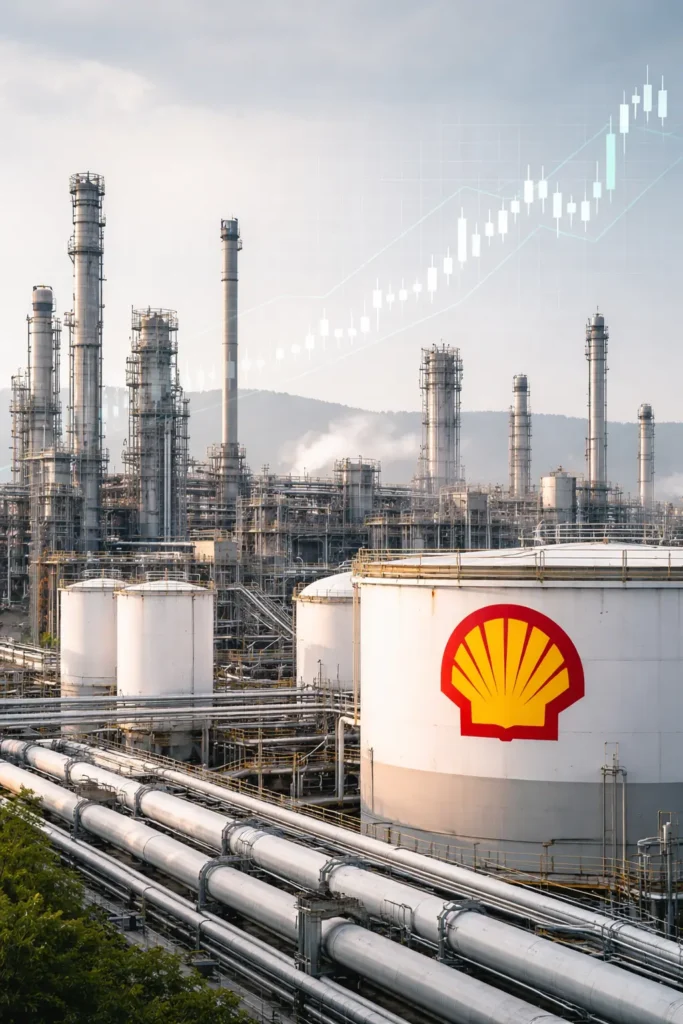

Shell share price today fell 0.45% to 3,446.00p after a major geopolitical escalation in the Middle East rattled global energy markets. The decline came despite a sharp surge in oil and gas prices, highlighting investor concerns over direct operational risks after an attack on Qatar’s key LNG hub damaged Shell’s Pearl GTL facility.
The incident has triggered fresh fears of a global energy supply shock, with markets reacting swiftly to the possibility of prolonged disruption in one of the world’s most critical energy-producing regions.
Shell shares fall as Qatar LNG hub hit by attack
Shell confirmed that its Pearl GTL (gas-to-liquids) facility in Ras Laffan Industrial City was impacted following missile strikes linked to escalating tensions between Iran and Israel. The attack caused a fire at the plant, which was later brought under control. The company stated that all staff were safe and accounted for, but damage assessments are still ongoing.
Ras Laffan is one of the world’s most important LNG hubs, and the Pearl GTL facility plays a crucial role in converting natural gas into fuels, lubricants, and chemical feedstocks used across industries such as transport, plastics, and cosmetics.
Importantly, LNG production in Qatar has already been shut down since early March due to earlier attacks, compounding the supply concerns now facing global markets.
Gas jumps 20%, oil surges toward $115 amid supply fears
Energy markets reacted aggressively to the escalation. UK natural gas prices surged more than 20% to around 172p per therm, marking their highest level in three years. Meanwhile, Brent crude oil jumped approximately 8%, crossing $115 per barrel and moving closer to levels last seen during earlier phases of the conflict.
The sharp price movement reflects growing fears that the crisis is shifting from a logistical disruption, such as shipping delays, to a more severe supply disruption involving direct damage to energy infrastructure.
Analysts have warned that if the conflict continues to escalate, oil prices could climb toward $150 per barrel, reviving concerns of a prolonged global energy crisis.
Why Shell stock is falling despite rising energy prices
Under normal circumstances, a surge in oil and gas prices would provide strong support for energy stocks like Shell. However, in this case, the company is directly exposed to the disruption.
The market is currently pricing in multiple risks, including:
- Potential damage to critical infrastructure
- Uncertainty over production timelines
- Extended LNG shutdown in Qatar
- Broader geopolitical escalation in the region
This explains why Shell shares declined even as commodity prices surged. Investors are balancing the benefit of higher prices against the risk that Shell may not fully capitalize on them due to operational disruptions.
Global markets fall as energy shock fears return
The impact was not limited to energy stocks. European markets opened sharply lower, with the FTSE 100 falling around 1.7% in early trading. Germany’s DAX dropped approximately 2.4%, while France’s CAC 40 declined by about 1.7%.
The sell-off reflects broader concerns that rising energy prices could fuel inflation, disrupt industrial production, and slow economic growth, particularly in Europe.
Europe remains heavily reliant on LNG imports from Qatar after reducing dependence on Russian gas, making the situation particularly sensitive for the region.
Trump warns of retaliation as tensions escalate
The geopolitical backdrop intensified further after US President Donald Trump warned that the United States could retaliate if Iran continues targeting energy infrastructure. While he stated that he did not authorize recent strikes on energy facilities, he also threatened to “massively blow up” Iran’s South Pars gas field if attacks persist.
The warning underscores the risk of further escalation, which could have significant implications for global energy supply and market stability.
Energy crisis shifts from shipping to supply disruption
Market analysts believe the situation marks a critical turning point in the ongoing conflict. Earlier disruptions were largely related to shipping routes and logistics. However, direct attacks on energy infrastructure signal a more dangerous phase.
This shift increases the likelihood of prolonged volatility in both commodity prices and equity markets. Investors are now closely watching whether additional facilities in the region could be targeted.
What investors should watch next
The next move in Shell share price will depend heavily on updates related to the extent of damage and the timeline for restoring operations in Qatar. Key factors to monitor include:
- Detailed damage assessment from Shell
- Status of LNG production restart in Qatar
- Further geopolitical developments in the region
- Oil price movement toward $120–$150 levels
If the damage proves limited and operations resume quickly, Shell could benefit from elevated energy prices. However, prolonged disruption or further escalation could keep the stock under pressure.
Shell share price outlook amid rising uncertainty
Shell share price today reflects a market caught between opportunity and risk. While higher oil and gas prices provide a strong earnings tailwind, the direct impact of the Qatar attack introduces uncertainty that investors cannot ignore.
For now, Shell remains at the center of a rapidly evolving energy crisis. Investors can track official updates from Shell and follow broader developments through coverage such as the latest report.
Until clarity emerges, Shell shares are likely to remain volatile, reacting not just to energy prices but to every new headline from the Middle East.
You may also like: BP Shares Jump After $7.5B Refinery Sale, Big Cost Cuts Announced

Make Swikblog your go-to source on Google for reliable updates, smart insights, and daily trends.