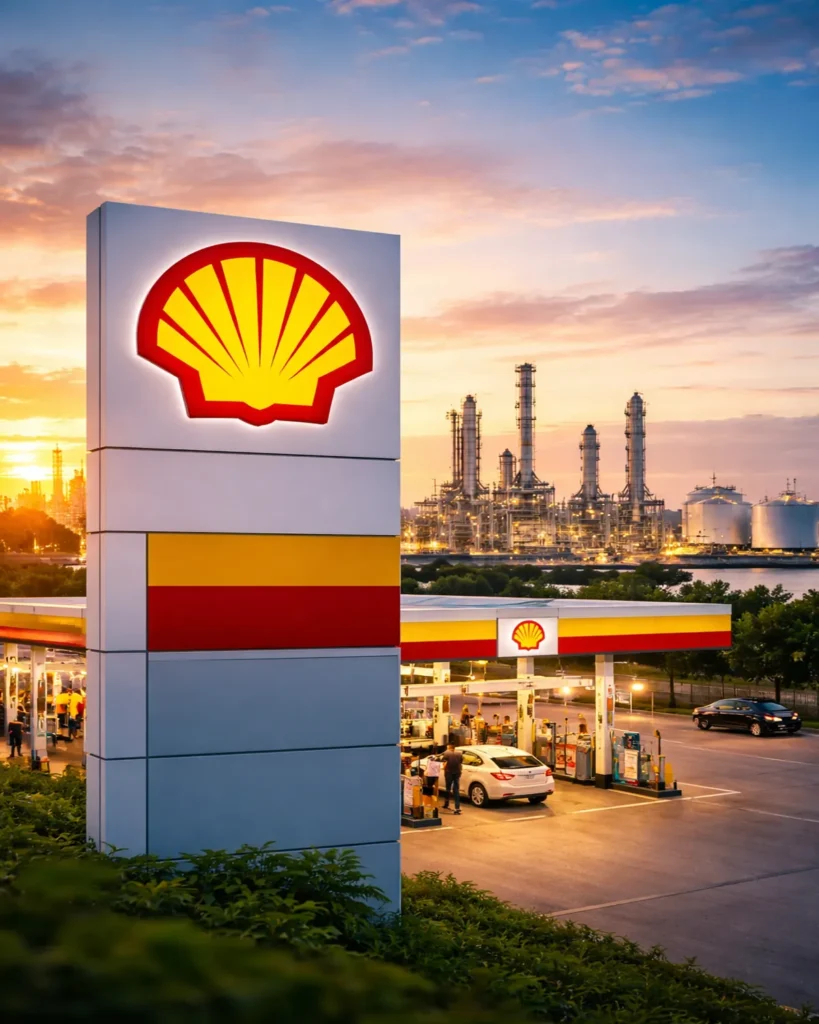

Shell shares fell to 3,460.50 today as rising fears of a potential energy shortage in Europe shook investor sentiment, even as global oil prices remained elevated near the $100 mark. The decline reflects growing concern that a fresh supply shock could hit energy markets within weeks, driven by escalating geopolitical tensions in the Middle East.
The move comes after Shell CEO Wael Sawan warned that Europe could soon face a significant fuel shortage, signaling that the global energy system is once again under stress. Markets reacted cautiously, with investors reassessing risks tied to supply disruptions, fuel availability, and economic impact.
Shell Warns Europe Could Face Energy Shortage Within Weeks
According to Shell, the risk of an energy crisis in Europe is rising rapidly, with shortages potentially emerging as early as next month. The warning follows ongoing disruption in global oil and gas supply chains linked to tensions in the Middle East, particularly around the Strait of Hormuz.
This critical chokepoint is responsible for nearly 20% of the world’s oil and natural gas flows, making it one of the most important energy routes globally. Any disruption here has immediate ripple effects across continents, tightening supply and pushing prices higher.
Shell emphasized that energy security is now directly tied to national security, urging governments to act quickly by increasing fuel storage and securing alternative supply routes.
Fuel Shortages Could Spread Across Multiple Sectors
The impact of the disruption is already being felt in stages. Shell highlighted that jet fuel supplies have already been affected, with diesel expected to come under pressure next. As the situation evolves, gasoline shortages could emerge during the peak summer driving season in the Northern Hemisphere.
This cascading shortage risk could significantly impact transportation, logistics, and consumer fuel prices, raising inflation concerns and potentially slowing economic activity across Europe.
Asia Hit First, Europe Expected Next
The supply shock has not been limited to one region. Initially, the disruption affected South Asia, followed by Southeast Asia and Northeast Asia, as supply chains tightened and fuel availability declined.
Europe is now expected to be the next major region to feel the full impact. With limited domestic energy production and high dependence on imports, the continent remains vulnerable to global supply shocks, especially during periods of geopolitical instability.
Germany Flags Policy Mistake as Crisis Risk Builds
Adding to the concern, Germany’s Federal Minister for Economic and Energy Affairs, Katherina Reiche, acknowledged that scaling down nuclear energy was a strategic mistake. The country is now increasingly dependent on imported gas, including shipments via supercooled LNG tankers.
This shift has reduced Europe’s energy buffer, making it more exposed to global disruptions. As a result, governments are now scrambling to secure supplies and stabilize energy markets before shortages intensify.
Oil Above $100 Raises Market Volatility
The geopolitical tensions have already pushed benchmark oil prices above $100 per barrel, triggering heightened volatility across global markets. While higher oil prices typically benefit energy producers like Shell, they also increase costs for businesses and consumers, creating broader economic risks.
Recent reports suggest that prolonged disruption could lead to fuel rationing and deeper economic strain, particularly in energy-dependent regions like Europe.
Why Shell Shares Are Falling Despite Strong Energy Prices
Despite the supportive backdrop of high oil prices, Shell shares declined as investors focused on uncertainty rather than short-term gains. Markets are increasingly concerned that a prolonged crisis could disrupt demand, strain supply chains, and trigger policy intervention.
The decline also reflects profit-taking, as Shell had been trading near its 52-week highs. When geopolitical risks rise, investors often shift toward safer positions, leading to short-term pressure on even fundamentally strong stocks.
Energy Stocks in Focus Amid Crisis
While Shell faces near-term volatility, other energy companies could benefit from the tightening supply environment. Companies like Equinor, a major supplier of natural gas to Europe, may see increased demand as the region looks for alternative sources.
Similarly, Archrock, which focuses on natural gas infrastructure, and Subsea7, a leader in offshore energy services, are positioned to gain from sustained demand in the energy sector.
Investors are closely watching how these companies respond to rising demand, supply constraints, and long-term energy transition trends.
What Comes Next for Markets
The coming weeks will be critical in determining whether the current disruption evolves into a full-scale energy crisis. Key factors to watch include oil flow stability through the Strait of Hormuz, inventory levels across Europe, and government intervention strategies.
Any further escalation could push oil prices higher, intensify shortages, and increase market volatility. On the other hand, improvements in supply conditions could stabilize prices and restore investor confidence.
For now, Shell remains at the center of the global energy narrative, with its warning serving as a reminder that supply risks are far from over. Investors can track further updates directly through Shell’s official newsroom as the situation develops.
You may like: Recce Pharmaceuticals (ASX: RCE) stock gains attention after Purdue cancer study highlights MYC-targeting opportunity

Make Swikblog your go-to source on Google for reliable updates, smart insights, and daily trends.