
By Sangeeta Dubey
South Sudan is facing renewed scrutiny over air safety after a small passenger aircraft crashed near Juba, killing all 15 people on board. The aircraft, a Cessna 208 Caravan operated by CityLink Aviation Ltd, was flying from Yei to Juba on Monday, April 27, 2026, when it went down about 20 kilometers southwest of the capital.
The short domestic route, roughly 130 kilometers long, is commonly used because road travel in many parts of South Sudan remains difficult and unreliable. The aircraft reportedly departed Yei at around 09:15 local time and lost contact with air traffic control about half an hour later. Authorities later confirmed there were no survivors.
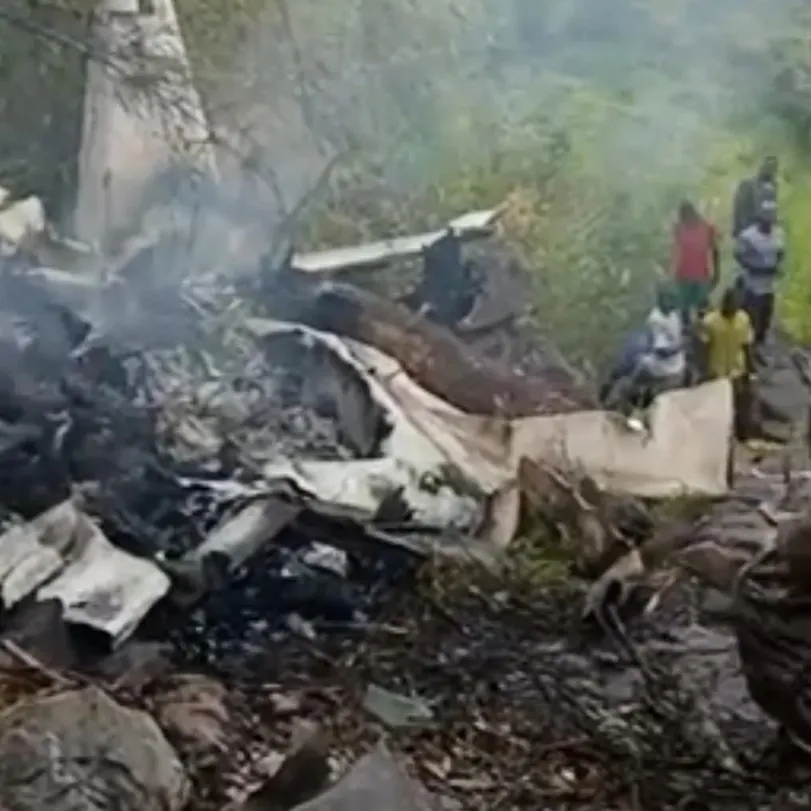
South Sudan’s civil aviation officials said early information points to poor weather and low visibility as possible factors. The crash site was described as hilly and misty, and footage from the area showed burnt wreckage scattered across rough terrain. Investigators have been sent to the scene, but officials have not yet issued a final cause.
Victims included South Sudanese passengers and two Kenyans
Officials said the victims included 13 South Sudanese nationals and two Kenyans. The Kenyan nationals were among the aviation professionals operating in the region, where foreign pilots often support domestic and humanitarian transport routes.
For families in South Sudan and Kenya, the crash has turned a routine local flight into a devastating loss. Recovery teams are working in difficult conditions, with access to the site slowed by terrain and limited infrastructure. The repatriation process for foreign victims is expected to involve coordination between local authorities and diplomatic officials.
The Cessna 208 Caravan is widely used across remote parts of Africa because it can land on shorter runways and operate in areas with limited ground facilities. Its reliability has made it a common choice for passenger, cargo, aid, and medical supply flights. But in countries with weak aviation infrastructure, even well-known aircraft types can face serious operational risks.
One challenge for investigators is that small aircraft of this type may not carry the same flight recording equipment found on larger commercial jets. Without detailed flight data, investigators may need to rely on wreckage inspection, weather conditions, maintenance records, pilot communication, and witness statements to understand what happened in the final minutes.
Authorities have not publicly blamed the operator or crew. At this stage, poor visibility remains one of the main areas being examined, while investigators assess whether mechanical, operational, or regulatory issues may also have contributed.
South Sudan’s aviation record under pressure
The crash has brought fresh attention to South Sudan’s troubled aviation safety record. Since independence in 2011, the country has recorded numerous aircraft accidents, many involving small planes serving remote communities. In several cases, crashes have been linked to poor weather, overloading, aging aircraft, pilot error, weak oversight, or limited airport infrastructure.
Air travel remains essential in South Sudan because many regions are difficult to reach by road, especially during rainy seasons or periods of insecurity. Aircraft often carry traders, aid workers, medical supplies, officials, and local residents between towns that would otherwise be isolated. That dependence makes aviation a lifeline, but it also increases pressure on operators to fly in challenging conditions.
Global aviation safety has improved significantly in recent decades, but smaller regional operations in fragile or infrastructure-poor countries remain more vulnerable. The International Air Transport Association has repeatedly emphasized the importance of stronger safety management, regulatory oversight, and operational standards across the aviation industry.
South Sudan has previously attempted aviation reforms, including tighter certification and oversight measures aimed at improving safety in the sector. However, experts say meaningful progress depends on consistent enforcement, better training, improved weather systems, stronger maintenance checks, and more reliable air traffic control support.
The latest tragedy also recalls past fatal crashes in the country. In January 2025, 20 oil workers were killed when an aircraft crashed shortly after takeoff near oil fields in Unity State. In November 2015, one of South Sudan’s deadliest aviation disasters occurred when an Antonov aircraft crashed near Juba airport, killing dozens.
For South Sudan, the challenge is not only determining why this aircraft crashed, but also preventing the next tragedy. Better weather reporting, stricter aircraft inspections, clearer operational rules, and stronger emergency response systems could all reduce risk on domestic routes.
The loss of 15 lives near Juba is another painful reminder that aviation in remote regions carries consequences far beyond transport schedules. For many communities, these aircraft are the only practical bridge to the capital, hospitals, markets, and humanitarian support. Until safety systems improve, that bridge will remain dangerously fragile.
More aviation safety updates and global incident coverage can be followed through our latest world news reports.
You may like: Marvell Stock Surges as Nvidia’s $2 Billion Investment Fuels AI Optimism

Make Swikblog your go-to source on Google for reliable updates, smart insights, and daily trends.