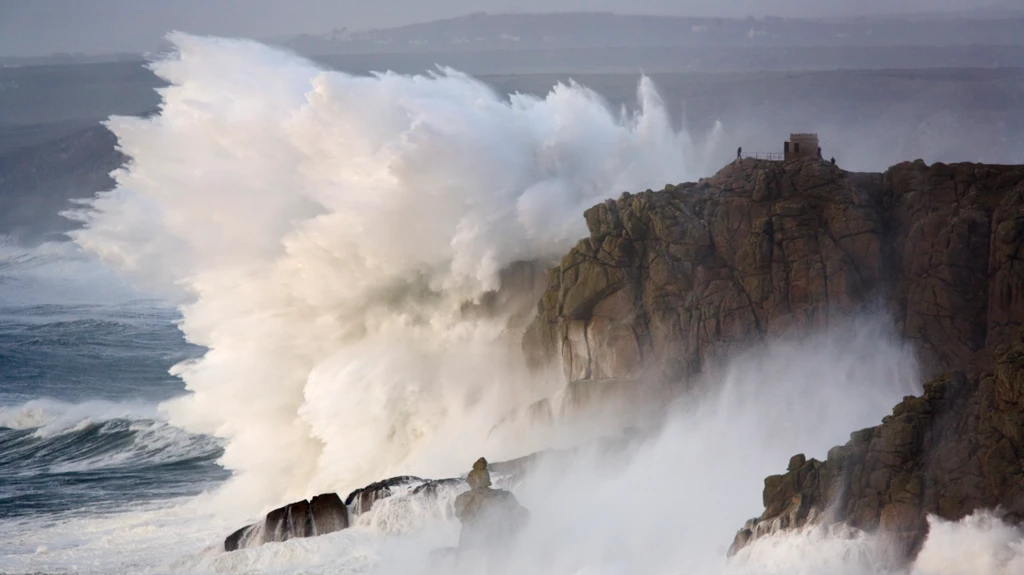
Power outages spread across the UK after Storm Dave swept through Scotland and other regions overnight into Sunday, bringing winds of up to 93mph, widespread travel disruption and flood warnings. The storm, which struck during the busy Easter weekend, left thousands of homes without electricity and triggered cancellations across rail, ferry and air networks, making it one of the most disruptive weather events of early April.
Scotland bore the brunt of the impact, with gusts reaching 73mph in Buchan, Aberdeenshire, while heavy snow fell across parts of the Highlands, Argyll and the Western Isles. Roads including the A8, A83 and A87 were blocked by fallen trees or restricted due to dangerous conditions before gradually reopening. In some areas, drivers were warned to expect sudden gusts capable of pushing vehicles off course.
Energy networks reported outages across southern and western Scotland, with engineers working through the day to restore supply. Similar disruption was seen in Wales and Northern Ireland, where around 2,000 homes lost power at the height of the storm. Although many connections have since been restored, the outages highlighted the strain strong winds can place on overhead lines and local infrastructure.
Transport and infrastructure under pressure
Transport systems across the UK were heavily affected. ScotRail imposed emergency speed restrictions across parts of its network, leading to longer journey times, while Network Rail introduced replacement bus services on some routes in northern England. Ferry operator CalMac cancelled multiple sailings on Scotland’s west coast, warning that disruption could continue into Monday despite improving weather conditions.
Air travel was also hit. Dublin Airport cancelled 17 flights as pilots struggled with unstable landing conditions, with several aircraft forced into go-arounds. Footage from across the UK showed planes approaching runways at sharp angles in strong crosswinds, underlining the severity of the gusts.
Major bridges, including the Forth Road Bridge and Tay Road Bridge, faced restrictions due to high winds, while others were temporarily closed. These closures added to congestion and delays, particularly in areas already affected by blocked roads and fallen debris.
The storm’s reach extended beyond transport. Flood warnings were issued in parts of Scotland, including along the River Isla and River Earn, as heavy and persistent rainfall pushed river levels higher. Across the UK, dozens of flood alerts remained in place even after the worst of the winds had passed, raising concerns about lingering impacts.
Wider impact and what comes next
Storm Dave’s significance lies not only in its peak wind speeds but in the combination of hazards it brought. Strong winds, snow, heavy rain and already saturated ground created conditions where power networks, transport systems and emergency services were all tested at once.
In Scotland, the mix of snow in northern areas and wind damage in others made recovery uneven, particularly in rural communities where access can be limited. For travellers, the disruption extended beyond cancellations, as knock-on delays and displaced crews affected services into Sunday and potentially beyond.
The Met Office said the storm would clear to the northeast, leaving sunshine and blustery showers in its wake. Northern regions are expected to feel colder conditions, while temperatures elsewhere should remain close to seasonal averages before rising later in the week.
However, the aftermath may linger. Infrastructure repairs, delayed journeys and flood risks mean the effects of Storm Dave are likely to be felt beyond the weekend, particularly in areas where damage to power lines and transport routes was most severe. Further updates and guidance remain available via the Met Office as conditions stabilise.
You may also like NYC Easter Parade 2026 draws crowds to Fifth Avenue with bonnets, color and holiday tradition.

Make Swikblog your go-to source on Google for reliable updates, smart insights, and daily trends.