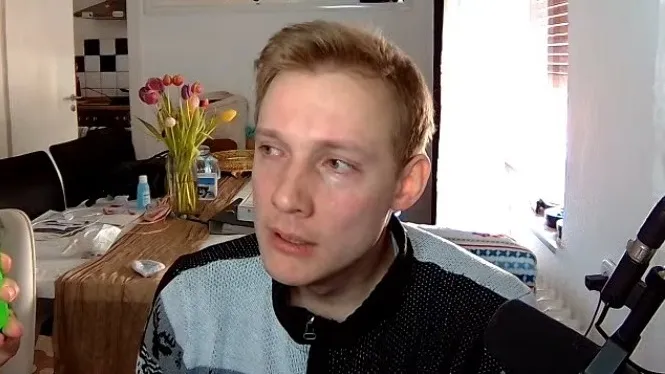

A small indie release has turned into one of the most emotional success stories in gaming this month. Tangy TD, a colorful tower defense game built over four years by solo developer Cakez, erupted across social media after the developer opened his Steam earnings on stream and discovered the game had generated roughly $245,123 in gross revenue in its first week. The moment was raw, unfiltered, and deeply personal, with Cakez breaking down in tears as the scale of the support finally sank in.
For many viewers, the clip was about more than just numbers. It captured the pressure that hangs over independent developers for years: long hours, uncertain income, and the constant fear that a finished game might simply vanish into the crowd. On a platform where thousands of titles arrive every year, visibility can be as difficult as development itself.
Four years of work behind a sudden breakout
Cakez did not arrive at this moment through a conventional studio path. He reportedly learned programming from scratch and spent years documenting the development process through livestreams and videos. That long public journey created a small community around the project, but it also exposed how fragile solo development can be. Failed attempts, restarts, and technical setbacks all became part of the road to release.
At different stages, the project appeared to be hanging by a thread. Hardware issues disrupted progress, financial pressure built up, and the realities of family life raised the stakes even further. Over those same years, Cakez got married and became a parent, turning the game from a dream project into something carrying real household weight.
That context made the Steam reveal feel even more powerful. This was not a polished launch event from a major publisher. It was a creator sitting in front of his audience, trying to process the idea that the work had connected in a meaningful way.
Steam sales turned a personal moment into a viral one
The first wave of attention began when Cakez checked early launch numbers and found that Tangy TD had earned more than $30,000 within about 30 hours. That reaction spread quickly online. Then came the bigger figure: nearly $250,000 in first-week gross revenue, with around 28,000 copies sold. After platform fees, the net result still represented a life-changing breakthrough for a solo developer.
What pushed the story even further was its authenticity. There was no corporate messaging, no overproduced reveal, and no attempt to package the emotion into something safer. Viewers saw disbelief, gratitude, and exhaustion all at once. That honesty helped transform the clip into something larger than gaming news.
The game itself also appears to have benefited from the attention for the right reasons. Players who arrived because of the viral clips did not find a broken project or a cynical cash-in. Instead, Tangy TD built momentum with strong player feedback and a very positive tone around its launch window, reinforcing the idea that the emotional reaction was backed by a game people genuinely wanted to play. Readers looking for the official storefront can see the game’s listing on Steam.
A rare reminder that kindness can still move the internet
One of the most striking details from the reaction was Cakez’s own disbelief. His response was not framed around conquering the market or proving doubters wrong. Instead, he seemed genuinely stunned that so many people had shown up for him and his work. That humility became the emotional center of the story.
In an online environment usually driven by outrage, cynicism, and relentless comparison, the response to Tangy TD felt unusually generous. Many people did not just share the clip because it was dramatic. They shared it because it offered a rare glimpse of creative effort being rewarded in a public and unmistakable way.
That does not suddenly make the indie games business easy. Countless developers still release games into a brutally crowded marketplace, and most never receive this kind of momentum. But moments like this still matter because they reveal something important about audiences: people respond to sincerity, persistence, and visible care.
The success story did not end with the tears
What happened next made the whole episode even more endearing. After the emotional flood began to settle, Cakez reportedly pivoted straight back into developer mode, ready to keep maintaining the game and deal with issues like cheating and leaderboard integrity. That return to practical work underscored the reality behind every overnight success story. The viral moment may last a few days, but the responsibility that follows it lasts much longer.
For Cakez, the first week of Tangy TD appears to have delivered something many indie creators spend years chasing: proof that the audience was there after all. For everyone else watching, it landed as a rare bright spot in gaming culture — a case where years of uncertainty, personal sacrifice, and small-scale community support finally converged into a breakthrough that felt fully deserved.
The revenue number grabbed the headlines, but the real reason this story resonated is simpler. It showed a creator confronting the possibility that the work mattered to people, and not knowing quite how to hold that feeling. In a crowded release calendar full of polished campaigns and algorithmic hype, that kind of human moment is hard to fake and even harder to ignore.

Make Swikblog your go-to source on Google for reliable updates, smart insights, and daily trends.