Few careers in American football stretch across eras the way Tom Moore’s does. On Thursday, the 87-year-old announced his retirement, closing the book on a 62-year coaching journey — 46 of those at the NFL level — that quietly shaped multiple generations of the game.
Moore confirmed he will not return to the Tampa Bay Buccaneers in 2026 and will step away from football entirely, choosing to focus on caring for his wife following a recent stroke.
“For 62 years, she made a lot of sacrifices so I could live a dream,” Moore told the Tampa Bay Times. “Now it’s about her.”
A Career That Began Before the Modern NFL
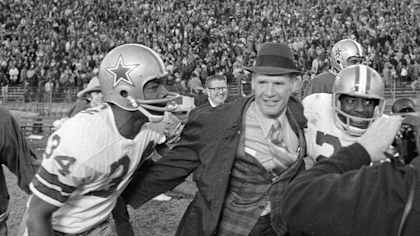
Moore’s football life began long before the league we know today. He was the quarterback for Iowa’s 1958 national championship team, entering coaching just three years later. At the time, the NFL had 12 teams, and the sport itself was still finding its modern identity.
From college football to emerging pro leagues, Moore never stopped working. He moved seamlessly between roles — quarterbacks, running backs, receivers, coordinators, consultants — always trusted, rarely spotlighted.
The Mind Behind Legends
Moore’s name may not be as famous as those he coached, but his fingerprints are everywhere.
He won two Super Bowls with the late-1970s Pittsburgh Steelers, later adding another ring as offensive coordinator for the Indianapolis Colts, and a fourth as a consultant with Tampa Bay.
Most famously, Moore played a defining role in shaping Peyton Manning from a gifted rookie into a generational quarterback. Manning has often credited Moore’s trust, adaptability, and football intellect — including the freedom to adjust plays on the fly — as pivotal in his development.
Moore also coached Hall of Fame talents such as Terry Bradshaw and Barry Sanders, spanning players born nearly half a century apart.
Always the Assistant, Forever Influential
Despite coordinating offenses across the NFL and college football, Moore never pursued a head coaching role. Instead, he became something rarer: an assistant whose impact was unmistakable.
That legacy was formally recognized when he entered the Pennsylvania Sports Hall of Fame in 2014 and received the Paul “Dr. Z” Zimmerman Lifetime Achievement Award from the Pro Football Writers of America in 2015 — and then kept coaching for another decade.
One Last, Quiet Exit
Moore’s final years were spent as an offensive consultant in Tampa Bay, where he was widely respected by ownership, management, and head coach Todd Bowles. True to form, his exit comes without ceremony, drama, or attention-seeking.
Just a coach going home.
After 62 years, thousands of practices, countless game plans, and some of the greatest quarterbacks the sport has ever seen, Tom Moore leaves the game exactly how he lived in it — steadily, humbly, and indispensable to those who knew football best.
If football is built on continuity, Moore was one of its strongest links.

Make Swikblog your go-to source on Google for reliable updates, smart insights, and daily trends.